Bitcoin (BTC) news

ERA releases software wallet for its hardware device
Why it matters: The product lowers the barrier to self-custody of crypto, which could intensify competition among hardware wallet makers.
Trump appointees tighten crypto oversight as bill stalls
Why it matters: Tighter oversight without a legislative framework weighs on bitcoin expectations and increases uncertainty for the market.
Bitdeer mined 1,310 BTC in August, up 249% year on year
Why it matters: Rising mining output and hashrate strengthen Bitdeer's position among public miners, while AI Cloud growth diversifies revenue away from bitcoin.

Saudi Arabia halts oil supplies to Europe: WTI at $103, Treasury yields at 5%, bitcoin falls
Why it matters: Rising yields and the oil shock increase pressure on risk assets, including bitcoin, and raise the odds of further Fed tightening.

SEC hints at crypto regulation without Congress, Fed hikes rate to 4%
Why it matters: The SEC's regulatory promises are not keeping pace with monetary pressure: the rate hike and ETF outflows are weighing on bitcoin, which is stuck in a $76,000–$83,000 range.

Blockchain ID data leak exposes 200,000 records
Why it matters: Identity data leaks are irreversible and create long-term risks for crypto users, whereas stolen funds are sometimes returned.
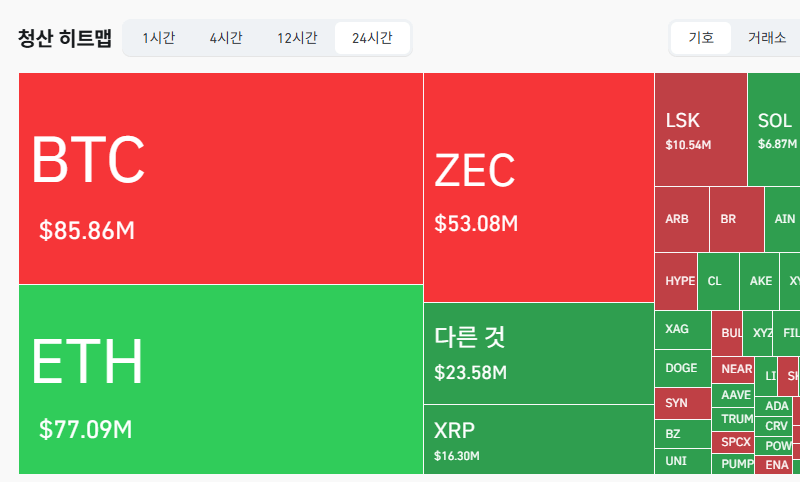
$261.73 million liquidated in 24 hours, 54.46% shorts
Why it matters: The predominance of short liquidations amid a falling BTC price points to a rebound and pressure on sellers.
Market sees 45% chance of Fed rate hike in October
Why it matters: Uncertainty over the Fed rate remains a key driver of volatility for bitcoin and risk assets.

France uncovers crypto kidnapping ring run from prison
Why it matters: The rise in crypto kidnappings in France heightens reputational and regulatory risks for the industry and holders of large crypto sums.
KU Leuven study: 36 bitcoin wallets expose user data before transaction
Why it matters: Wallet metadata leaks increase the risks of deanonymization and targeted attacks on BTC holders.

Kaiko: Bitcoin volatility rises amid Fed policy uncertainty
Why it matters: Traders should watch Fed signals: rising volatility increases liquidation risk in derivatives.

Warsh: I won't pre-judge future rate decisions, little evidence inflation is improving
Why it matters: A signal of a hawkish Fed stance sustains rate uncertainty, weighing on risk assets including bitcoin.

White House calls Fed rate hike 'highly regrettable'
Why it matters: Rising rates increase the risk-free yield and weigh on crypto; the White House-Fed conflict adds uncertainty to markets.
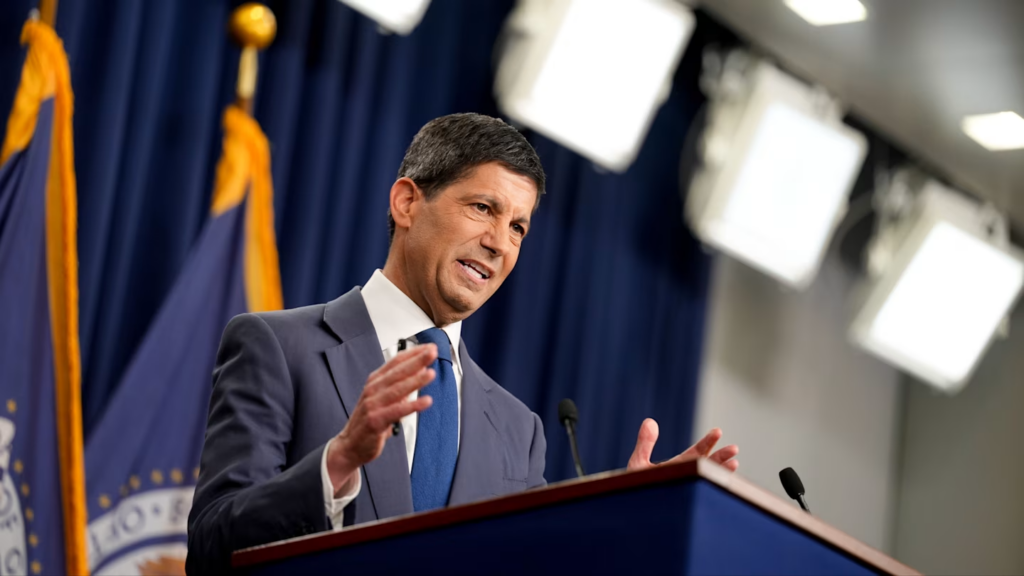
Fed Chair Warsh: inflation too high, rate raised by 0.25 pp
Why it matters: The first rate hike in three years increases pressure on risk assets, including bitcoin and the crypto market.

Warsh: no need to pressure labor market to lower inflation
Why it matters: A softer Fed rhetoric on the labor market could reduce expectations of further tightening and support risk assets, including bitcoin.
Warsh: rate hike reflects economic strength, capital competition, and geopolitics
Why it matters: The Fed's hawkish tone pressures risk assets, including bitcoin, and increases market volatility.
Warsh: Fed must go its own way, won't comment on Trump
Why it matters: A signal of Fed independence from political pressure — important for rate expectations and risk assets, including bitcoin.

Warsh: Fed doesn't rely on individual data points, trends matter
Why it matters: A signal of Fed flexibility reduces the risk of sharp rate moves, which affects bitcoin and risk-asset volatility.
1.47 million IBIT options expire September 18: 37% concentrated at $40-45 strikes
Why it matters: A large expiration could amplify BTC and IBIT volatility due to hedging and rolling positions into a new term.
Warsh: Fed unanimously raised rates, economy strengthened for 7 weeks
Why it matters: The Fed's rate hike weighs on risk assets, including bitcoin and the crypto market.