Bitcoin (BTC) news
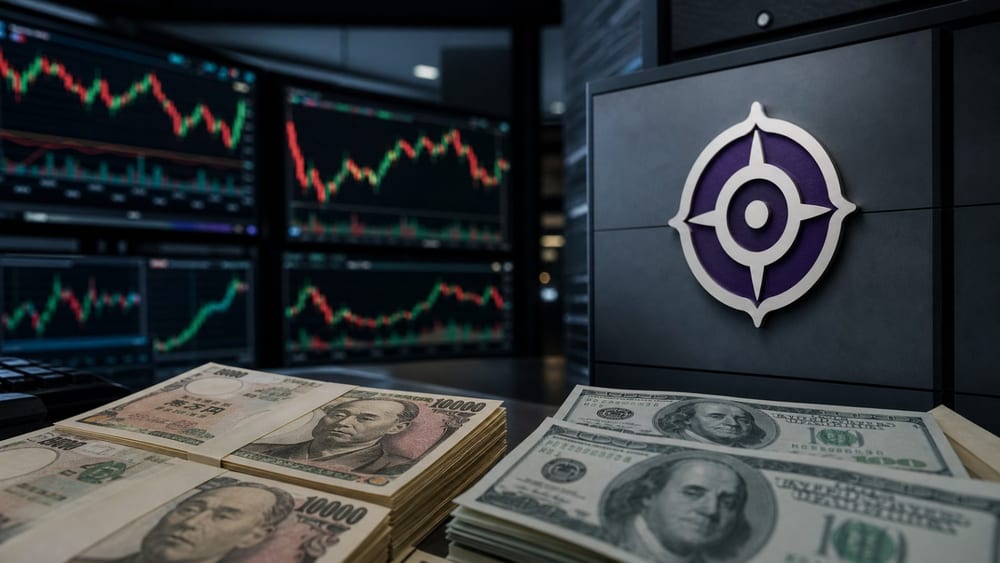
Bank of Japan hikes rate to 1.25% as board member Masu calls for more tightening
Why it matters: Further BOJ tightening strengthens the yen and pressures risk assets, including bitcoin, via higher yields and carry-trade unwinds.
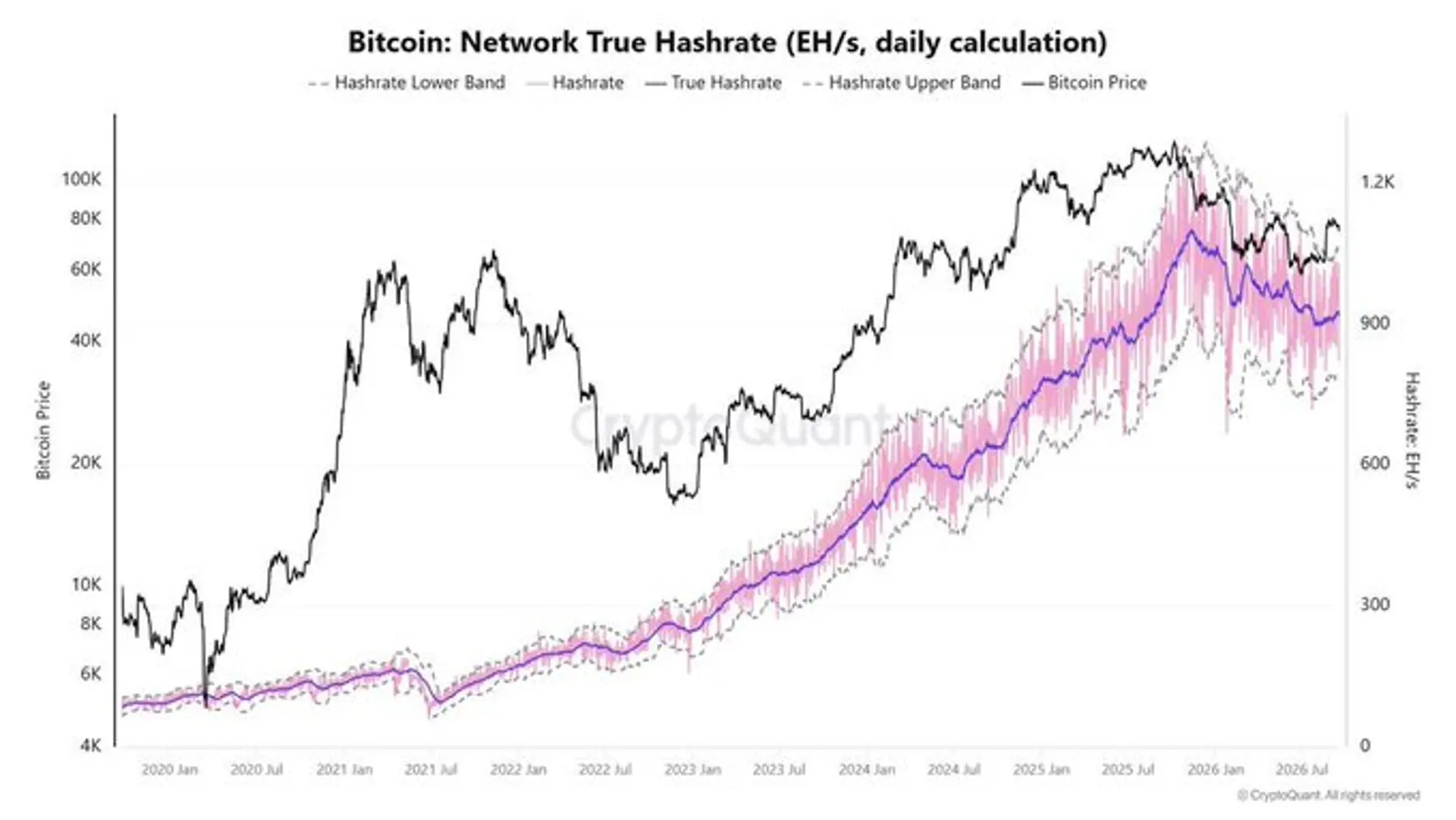
Bitcoin Hashrate Resumes Growth After Decline, CryptoQuant Data Shows
Why it matters: A recovering hashrate suggests miners are returning to the network, which could ease selling pressure on BTC.
BTC Breaks $85K, ETH Tops $2,750: Two Addresses Liquidated for Over $26M in Shorts
Why it matters: The sharp move in BTC and ETH forced out large shorts, potentially adding fuel for further upside.

Bitcoin Breaks Above $84,000 on ETF Inflows and $445M Short Squeeze
Why it matters: Holding above $85,000, the ETF cost basis, opens the door to $88,000–90,000; losing $77,500 would invalidate the breakout.
Bitcoin breaks above $85,000, up 5.05% on the day
Why it matters: The break above $85,000 marks a fresh local high and signals strengthening bullish momentum across the market.

T. Rowe Price: Bitcoin has become a key asset for hedging currency debasement
Why it matters: A signal of growing institutional demand for Bitcoin as a defensive asset amid U.S. government debt concerns.
Kevin O'Leary: Bitcoin will hit $1M, but quantum computing is the key risk
Why it matters: A signal that institutional demand for BTC is constrained by technical risks, not just regulation.

SUI and SEI jump around 20% as Bitcoin breaks above $84,000
Why it matters: Altcoin gains alongside Bitcoin signal improving risk appetite and possible rotation of capital into L1 tokens.

Altcoins Lead Crypto Rally as Market Cap Hits $2.8T; Bitcoin Reclaims $80K
Why it matters: Altcoins broke above May highs on US regulatory easing, but Bitcoin still needs to clear early-September resistance to confirm the uptrend.

Bill Miller: Bitcoin is undervalued, price-to-fair-value gap at its widest
Why it matters: The argument that BTC is undervalued amid rising U.S. government debt supports Bitcoin's narrative as a defensive asset.
Bitcoin rebounds to $84K as US jobs data and tokenized stocks take focus
Why it matters: Macro prints and the SEC's tokenized-equity regime will set the market's direction this week, while TON and H unlocks add selling pressure on altcoins.
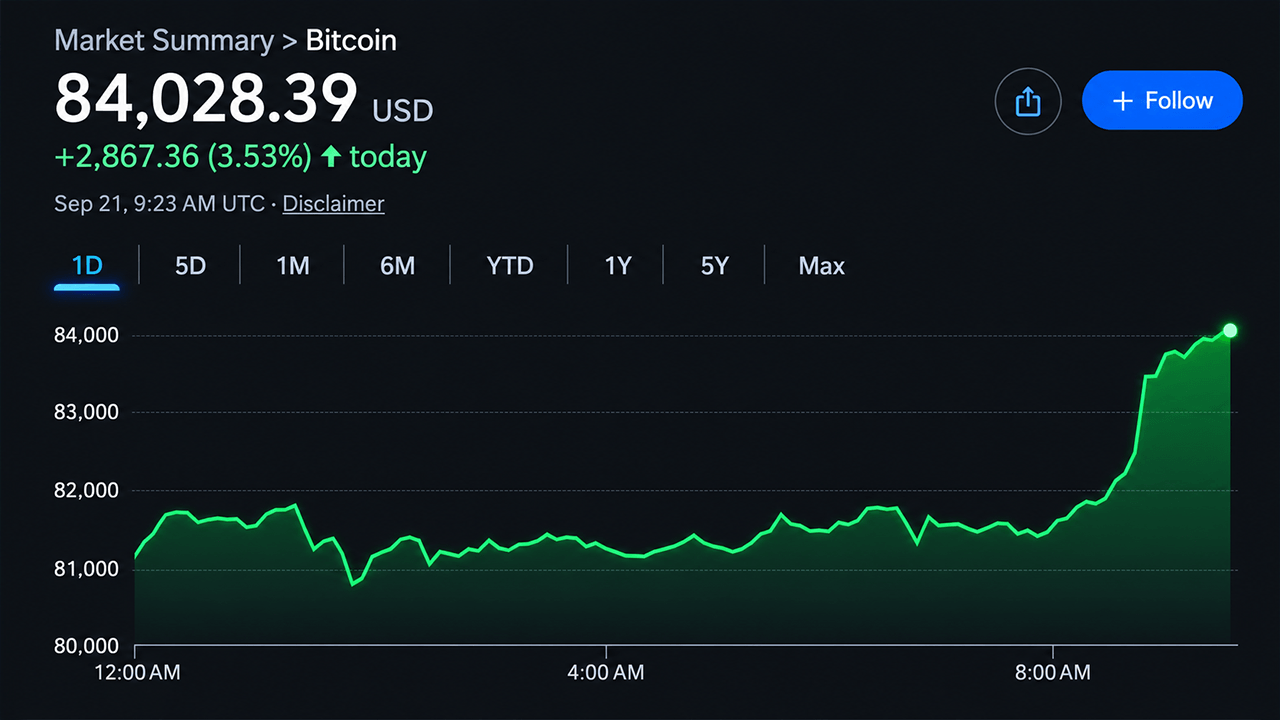
Bitcoin Crosses $84,000 as Analysts Declare Bear Market Over
Why it matters: Reclaiming the 50-week MA has historically confirmed bear market bottoms in four of the last five cycles, reinforcing expectations of a new uptrend.

XRP Jumps 6.5% to $1.47 on ETF Inflows and Whale Buying
Why it matters: ETF inflows and whale accumulation shrink available XRP supply and could reinforce buying pressure in the coming days.

Kaiko: Bitcoin moves on shifts in rate expectations, not Fed decisions themselves
Why it matters: Traders should watch the gap between the Fed's decision and market expectations, since surprises in guidance and projections move bitcoin volatility the most.

Crypto market rebounds: Bitcoin at $84,000 as spot volume hits $75B
Why it matters: The rally is backed by rising spot and derivatives volumes rather than short squeezes alone, pointing to broader market participation.
Machi Big Brother's BTC long hits $27M as total crypto position tops $124M with 110% ROI
Why it matters: Large leveraged whale positions signal where capital is flowing and can amplify volatility if the trend reverses.

Jiang Zhuoer: Bitcoin may correct after hitting $83K–$84K
Why it matters: A prominent miner's view gives traders a reference point, with $83K–$84K framed as a likely reversal zone.

Bitcoin holds near $84,000 after Fed hike: Crypto Week Ahead
Why it matters: The SEC's tokenized-stock pilot sets the tone for institutional demand, while U.S. macro data will shape the path of interest rates.
Bitcoin Jumps to $84,175, Highest Since January, as $250M in Shorts Get Liquidated
Why it matters: Breaking May's high and reclaiming the 50-week average signals a possible end to the bear market, though a bearish RSI divergence remains a risk.
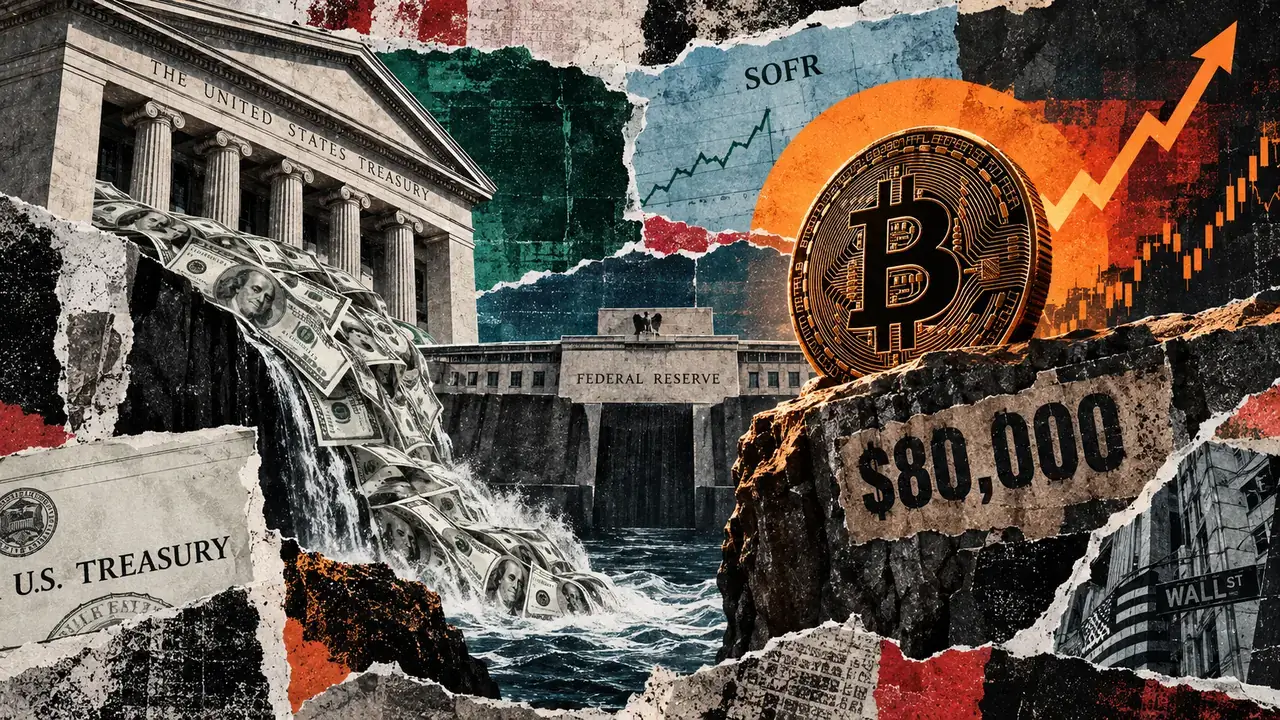
Bitcoin Shatters $80,000 as $148B US Liquidity Drain Fails to Break Markets
Why it matters: Repo markets stayed inside the Fed's corridor, so the tax-date liquidity drain did not trigger a broader squeeze; attention now shifts to ETF demand and fresh buyers.