Bitcoin (BTC) news
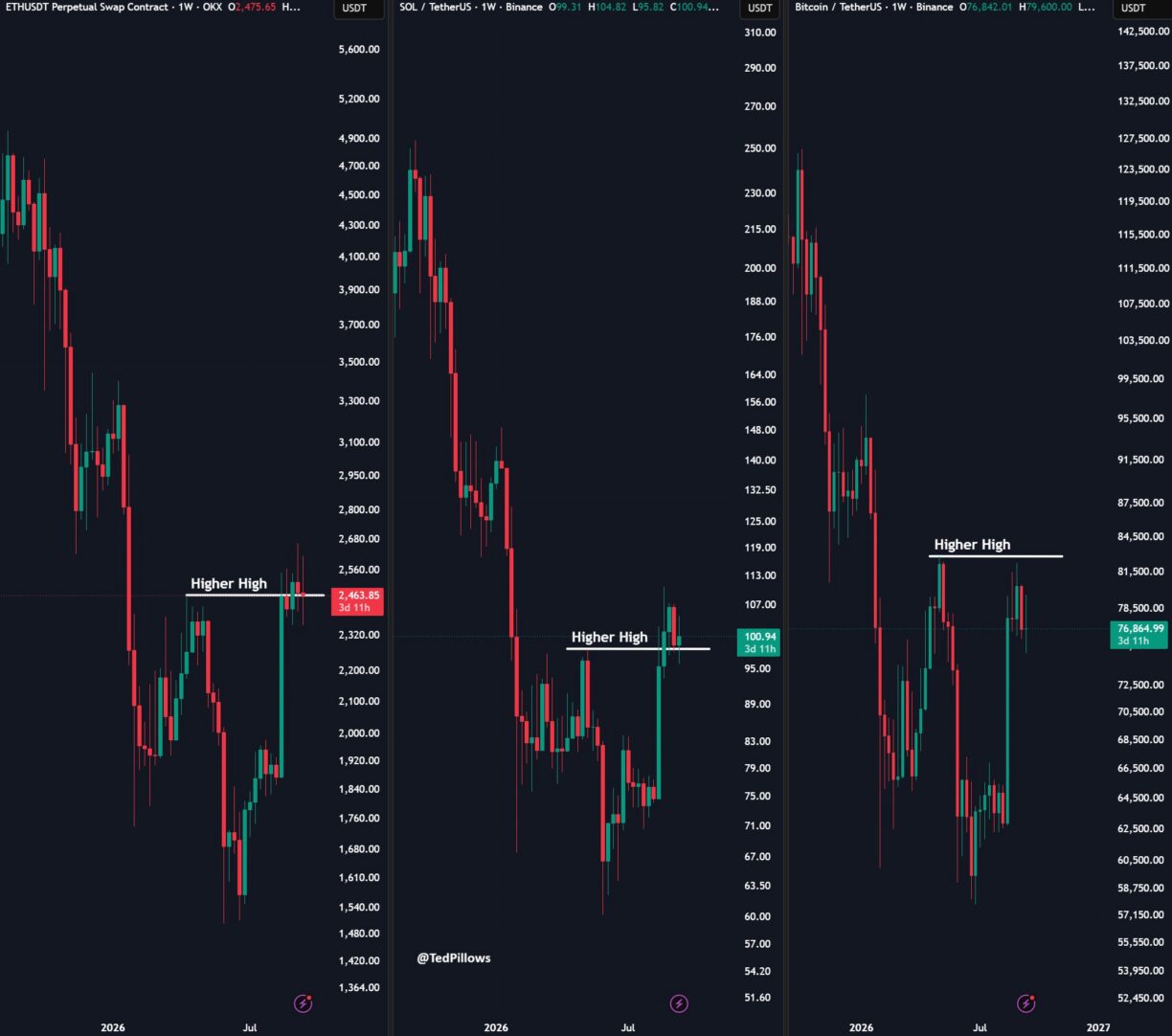
US jobless claims fall to 196K, bitcoin briefly hits $76,800
Why it matters: A strong labor market reduces the chances of near-term Fed easing, weighing on risk assets including bitcoin.
Dudley: Fed's 0.25 pp rate hike is too little
Why it matters: A longer tightening cycle weighs on risk assets including bitcoin, but boosts revenues for stablecoin issuers.

$369 million liquidated in 24 hours, 61.5% in shorts
Why it matters: The dominance of short liquidations points to a market rebound and pressure on bearish positions.
Coinbase Institutional Moves 679 BTC Worth $51.7M to Unknown Wallet
Why it matters: A large exchange withdrawal may indicate preparation for a sale or a transfer to custody, affecting BTC supply on the market.

Experimental rust-lightning Fork Adds Post-Quantum Protection for Lightning
Why it matters: It shows that Lightning infrastructure could get quantum protection earlier than the main blockchain, but at the cost of higher node requirements.

BIS: Bitcoin transfer volume estimates vary by up to six times
Why it matters: On-chain metrics should be read as rough estimates rather than direct measurements of economic activity.

JPMorgan expands digital assets team in consumer bank
Why it matters: The largest US bank is building a consumer layer on top of blockchain infrastructure, accelerating the integration of digital assets into traditional banking.

Crypto millionaires fall to 135,694; crypto owners reach 742 million
Why it matters: The decline in large holders reflects the market correction, but growth in the owner base to 742 million points to expanding adoption.

AI doesn't create Bitcoin vulnerabilities, it just makes finding them cheaper
Why it matters: It underscores the importance of early auditing and testing for crypto infrastructure security amid growing AI capabilities.
US Bitcoin ETF net inflows fall to $55B from $63B peak
Why it matters: Slowing ETF inflows signal weakening institutional demand for Bitcoin and weigh on its price.
Bitcoin futures backed by BTC fall from 70% to 12% of open interest
Why it matters: Stablecoin collateral breaks the loop of price drop, collateral drop and liquidations, making the market more resilient and clearer for institutions.

Bitwise: bull market has begun despite CLARITY Act failure and Fed tightening
Why it matters: A major asset manager's view sets an institutional narrative: ETF demand and the debasement trade could support BTC and altcoins despite regulatory pressure.

Warsh explains Fed rate hike logic to Trump
Why it matters: Higher rates raise the cost of capital and weigh on risk assets including crypto, while the Fed's conflict with the White House adds uncertainty.
SEC delays XRP short ETF to Oct 11, 2026, in 19th postponement
Why it matters: The latest short ETF delay and continued institutional outflows weigh on XRP, BTC and ETH, while Solana and privacy coins attract funds.

RWA futures match crypto futures market volume in nine months
Why it matters: RWA futures are growing on real-economy events rather than the crypto cycle, reshaping the derivatives market structure.

Ethereum holds $2,400 after ETF outflows and Fed rate hike
Why it matters: Holding $2,400 separates stabilization from a drop toward $2,350, but continued ETF outflows cap the upside.

Opinion: Bitcoin doesn't need the CLARITY Act, but crypto businesses do
Why it matters: The bill's failure widens the gap: Bitcoin operates autonomously, while businesses face regulatory uncertainty.
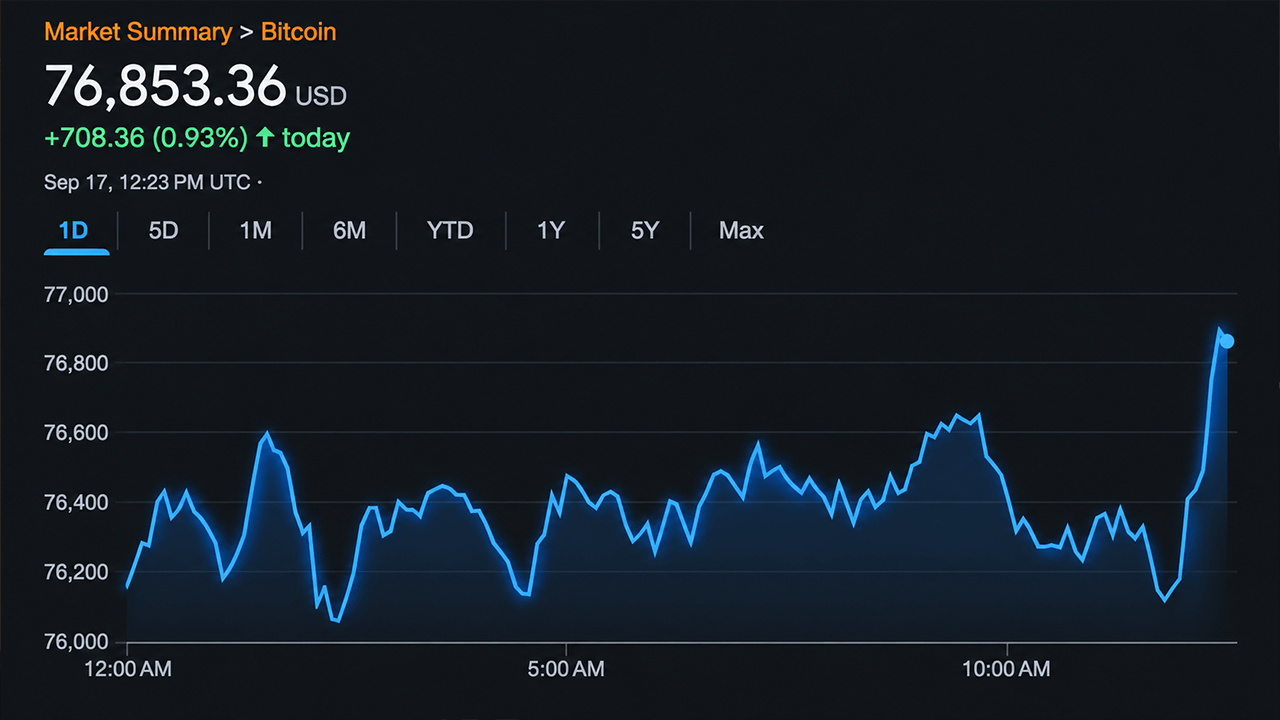
Bitcoin rebounds from $74,913, but $77,000 remains key resistance
Why it matters: Holding $75,000 preserves the recovery structure, but a break above $77,000 is needed for a return to $78,000-$80,000.

Crypto market rises 1.2% despite Fed rate hike, bitcoin holds near $77,000
Why it matters: The market showed resilience to Fed tightening, but the large ETF outflow signals weak institutional demand.
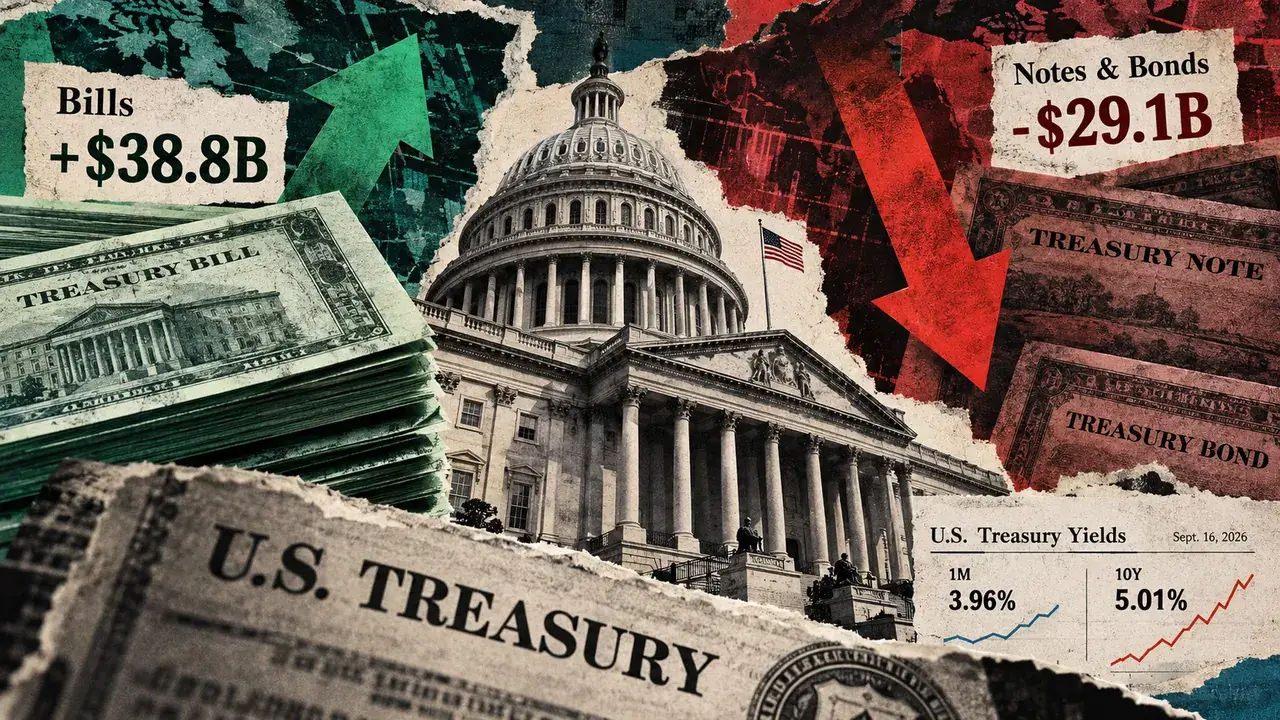
Foreigners sell $29 billion in U.S. Treasuries, pressuring bitcoin
Why it matters: High long-term yields raise the opportunity cost of holding bitcoin and limit capital inflows into risk assets.