Bitcoin (BTC) news

JPMorgan: Bitcoin could outperform gold if ETF hedging declines
Why it matters: Reduced hedging in Bitcoin ETFs could give BTC an edge over gold and trigger a rally if $82,300 is broken.

Monero Falls 7.8% to $523, Tests $518 Support
Why it matters: The decline without major selling points to a shortage of buyers; losing $518 would open the way to the 30-day SMA near $499.

Trump announces AI Force and plans to appoint an AI czar
Why it matters: White House staffing decisions on AI and crypto shape the US regulatory agenda and industry sentiment.
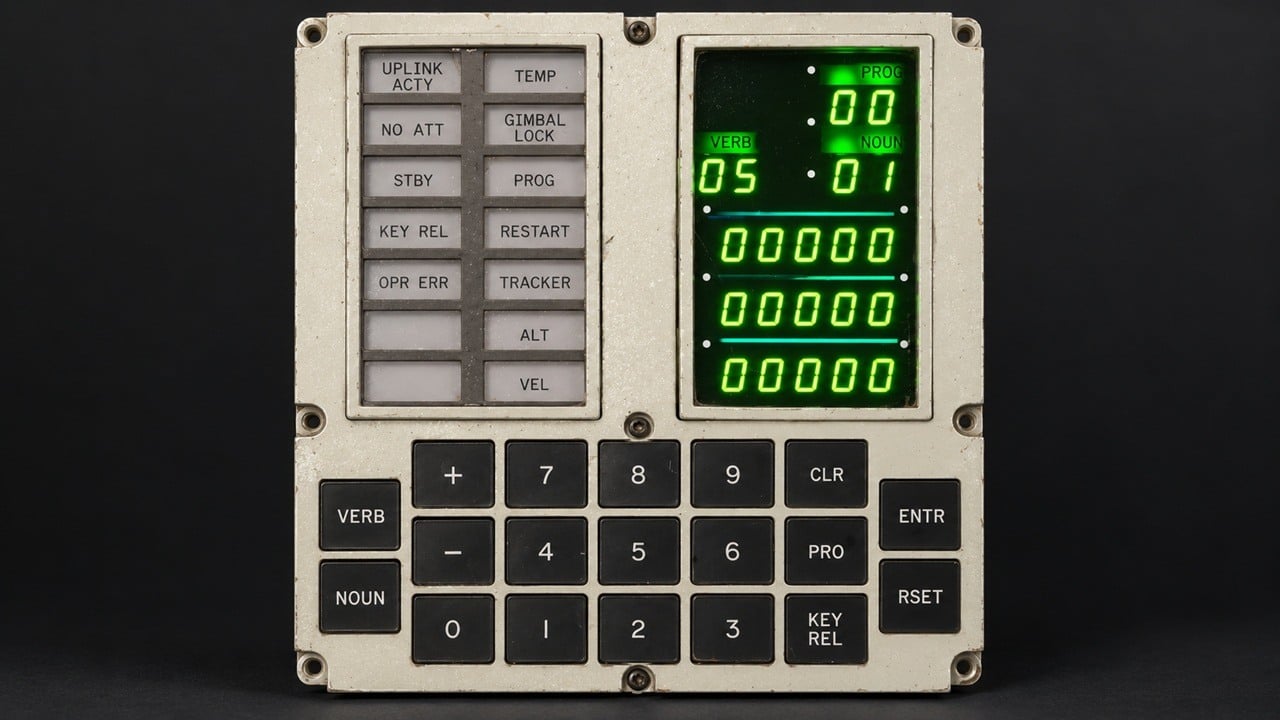
Apollo computer mined bitcoin in 2019: today it would need 13 million Universe ages
Why it matters: A clear illustration of the growth in Bitcoin network computing power and the barriers to solo mining.

REX launches 2x ETF on bitcoin treasury company Strive shares
Why it matters: It expands the lineup of leveraged ETFs on crypto treasuries, giving traders leverage on bitcoin company stocks without direct BTC ownership.

Vitalik Buterin: AI won't break crypto security, it will strengthen defense
Why it matters: Buterin's thesis sets the frame for the debate on blockchain security amid rising AI attacks and more frequent vulnerability discoveries.

Moscow Exchange launches 5 crypto futures, BitMEX closes September 23
Why it matters: The launch expands Russians' access to crypto derivatives, while BitMEX's exit reduces the number of major offshore venues for leveraged trading.

Bitcoin-gold correlation hits 99.5th percentile since 2020
Why it matters: Bitcoin's shift toward a monetary asset profile changes the logic of hedging and correlation strategies for institutions.

Crypto market falls 4% over weekend amid Middle East escalation
Why it matters: The opening of oil and stock markets on Monday will show whether they confirm the crypto market's risk repricing; a jump in Brent would add pressure after the Fed's rate hike.
Bitcoin falls to $80,340 after new attacks on Saudi oil routes
Why it matters: Crypto trades on weekends, so bitcoin is the first to signal how markets are reacting to the Middle East escalation.

Bybit: bitcoin buy-to-sell ratio tops 25
Why it matters: An extreme skew toward longs on the largest derivatives venue raises the risk of sharp volatility and liquidations if the price moves against the crowd.
Bitcoin retreats to $80,000 after failing at $82,000, AVAX gains 11%
Why it matters: The pullback from $82,000 shows buyer weakness amid geopolitics, while AVAX's resilience points to rotation into select altcoins.

Raoul Pal: bitcoin will outperform Nasdaq 100 as rates rise
Why it matters: Pal's thesis runs counter to market expectations: rising rates usually pressure bitcoin, but it rose, which could signal a shift in the macro regime.
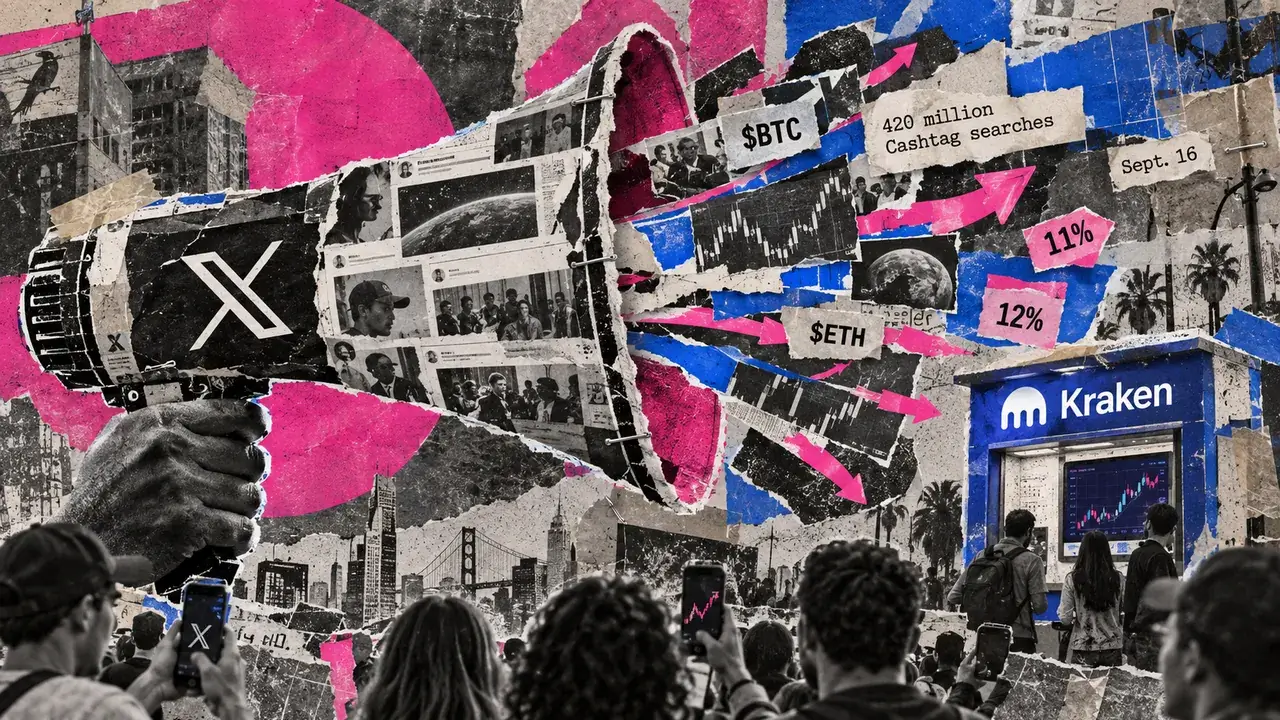
Kraken joins X's Cashtag program for crypto trading
Why it matters: The integration shortens the path from discussing an asset on social media to buying it on an exchange, strengthening X's role as a channel for attracting retail clients.
CryptoQuant: bitcoin's 30-day compression indicator hits 93.9%
Why it matters: Volatility compression at resistance usually precedes a sharp move — the market is waiting for a direction to be chosen.

Bitcoin back at $81,000: Calacanis, Saylor and Wood debate the 'dead cat'
Why it matters: The debate reflects disagreement over whether bitcoin is a means of payment or a store of value, against the backdrop of institutional capital flowing in through ETFs.

Nearly 70% of altcoins outperformed bitcoin over the week
Why it matters: A growing number of altcoins outperforming bitcoin may signal the start of capital rotation, but confirmation of an altseason requires a further decline in BTC dominance.

Crypto market slides: bitcoin at $80,504, MultiversX halts network after attack
Why it matters: A string of technical incidents and regulatory uncertainty is reviving risk-off sentiment; the key marker is whether bitcoin holds $80,000.
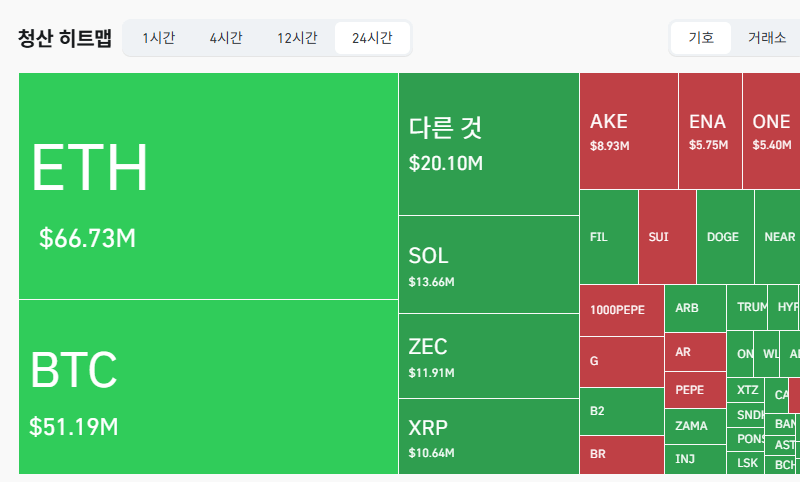
$179.89M Liquidated in 24 Hours: 65.67% Were Longs
Why it matters: The dominance of long liquidations as BTC and ETH fall points to weakening buyers and the risk of further correction.
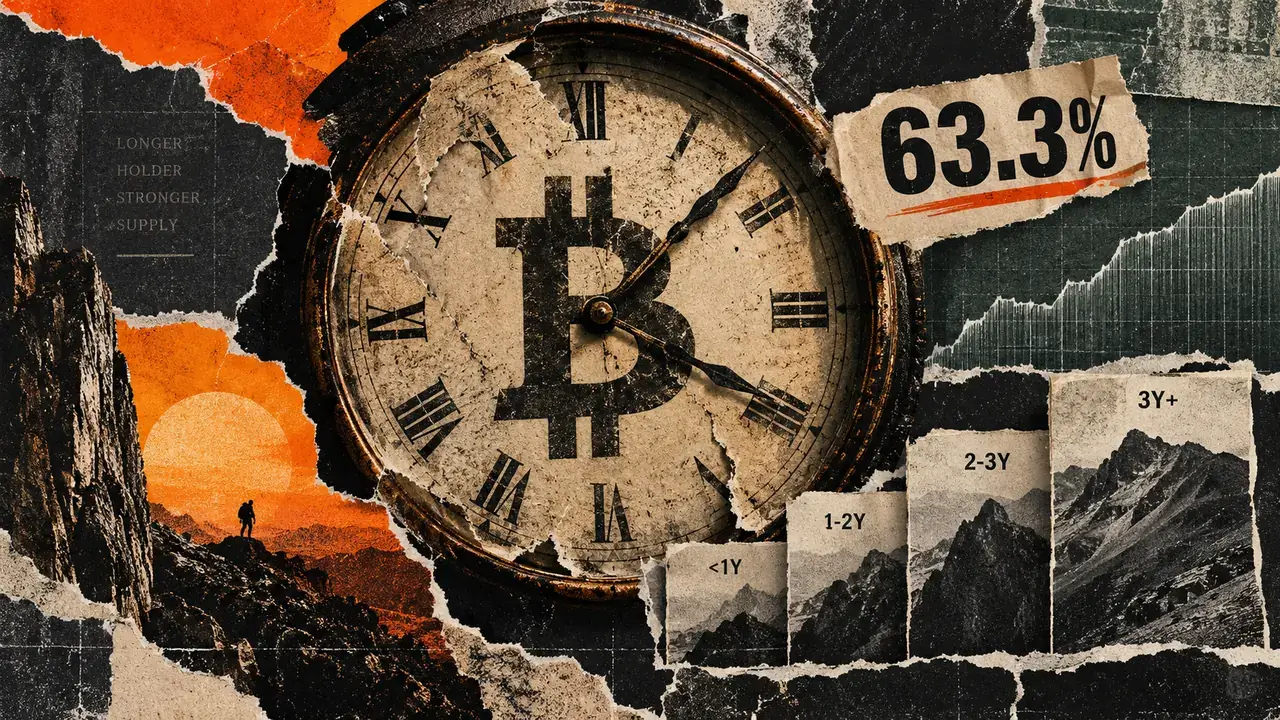
Bitcoin HODL Wave Hits 63.3%: Analysts Warn of Misreading the Signal
Why it matters: The rising HODL wave does not prove new demand: without exchange flow and address balance data, the signal remains merely a sign of coins aging.