Avalanche (AVAX) news

Tare proposes moving consumer loans onto the Avalanche blockchain
Why it matters: If the model lowers costs, it could accelerate the tokenization of credit assets, but the real effect on rates and access to credit is not yet confirmed.

AVAX rises 7.29% to $8.09, holds above 200-day SMA
Why it matters: Breaking the 200-day SMA on elevated volume could signal a trend reversal, but the gap from its all-time high calls for caution.

Kevin O'Leary: bitcoin could take 1–3% of institutional alternative portfolios
Why it matters: A signal of slow institutional demand growth for BTC through allocation models rather than retail mania.
AVAX breaks falling wedge: analysts expect rally to $60
Why it matters: The wedge breakout and rising derivatives activity could boost demand for AVAX, but the sustainability of the move depends on volumes and the development of RWA infrastructure.

Ava Labs: NYSE tested Avalanche technology for nearly a year
Why it matters: Confirmation of a test by the largest exchange would strengthen Avalanche's institutional case, but so far it is a single-source claim.
AVAX tests $6.50–7.00 support after triangle breakout
Why it matters: Holding the $6.50–7.00 zone would keep AVAX's recovery intact, while a break above $7.80 would open the way to $8.10–8.30.
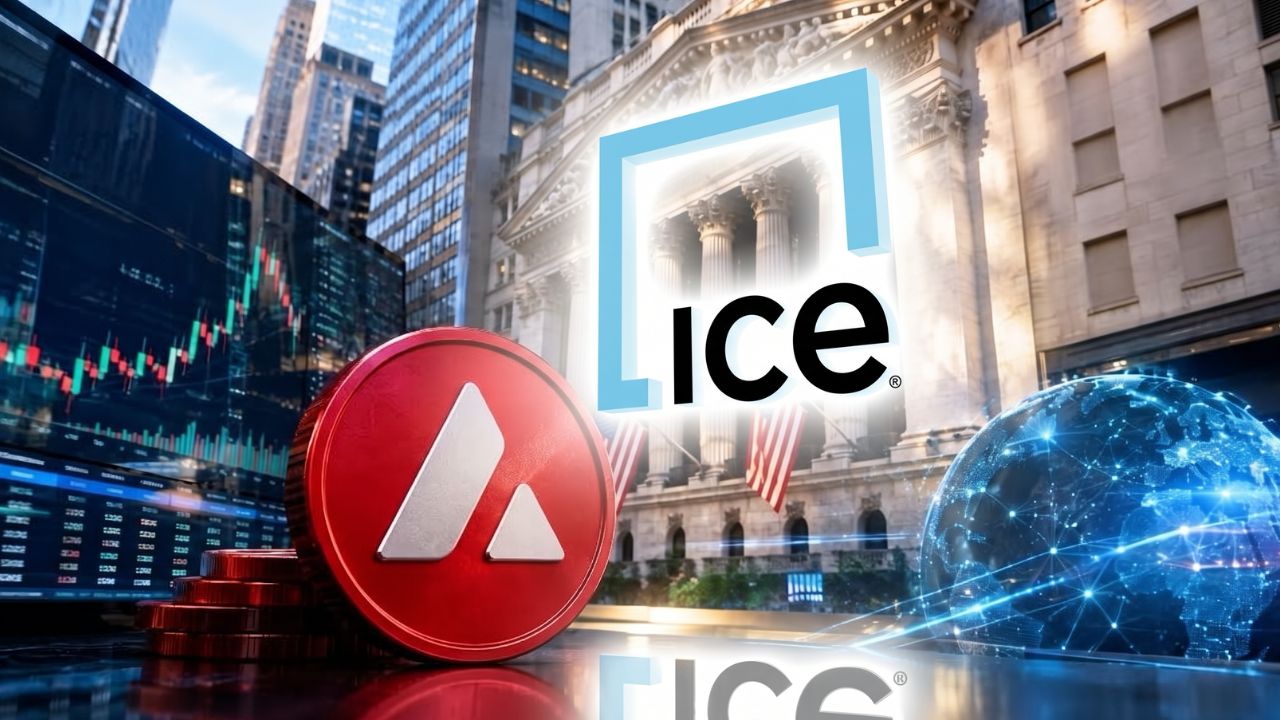
ICE (NYSE) weighs Avalanche for tokenized stocks and ETFs with 24/7 trading
Why it matters: Avalanche being chosen by the world's largest exchange group would strengthen institutional demand for AVAX and accelerate the tokenization of traditional assets.
ICE: Avalanche Meets Requirements for NYSE Blockchain ATS
Why it matters: A possible selection of Avalanche by the largest US exchange group would strengthen the stock tokenization narrative and demand for AVAX.

AVAX rises 3.12% to $7.54, holds $7.50 support
Why it matters: Shorter staking lock-ups and the Paxos integration boost AVAX's institutional appeal, but the trend remains below the SMA-200.

Bloxtel Deploys Private 5G Infrastructure on Avalanche
Why it matters: The case shows Avalanche blockchain moving into telecom infrastructure, but commercial launch of the device is only at the end of 2026.

COTI launches private transactions on Avalanche, Janus Henderson becomes validator
Why it matters: A major traditional finance player as a validator and private transactions strengthen Avalanche's position in institutional tokenization.

FIFA Collect tops 1 million users after migration to its own Avalanche network
Why it matters: The largest sports brand has proven its own L1 on Avalanche works, strengthening the case for corporate blockchains for mass-market assets.

Securitize CEO: tokenization won't go mainstream without tradfi buyers
Why it matters: The thesis points to a key constraint on the RWA segment: without an inflow of tradfi capital, secondary-market liquidity will remain low.

Sports Illustrated Tickets enters Premier League stadiums with on-chain tickets on Avalanche
Why it matters: A major sports brand is testing on-chain tickets as dynamic digital assets, expanding real-world blockchain use beyond finance.

Securitize manages $5 billion in tokenized assets, up from $4.2 billion
Why it matters: Securitize's asset growth confirms institutional demand for regulated tokenized products, supporting the RWA narrative and demand for networks like Ethereum and Avalanche.

Securitize boosts tokenized RWA on Avalanche to $769.9M
Why it matters: The growing share of a single issuer in Avalanche's RWA metrics distorts the picture of network activity, so investors should cross-check data from different providers.
NYLIM launches tokenized high-yield bond fund HYB on Avalanche
Why it matters: Tokenization of corporate debt by a major asset manager strengthens Avalanche's RWA segment but carries credit and liquidity risk.

Paxos Adds AVAX to Brokerage Platform for 650+ Institutions
Why it matters: Regulated access to AVAX expands institutional demand for the token and strengthens Avalanche's position in payment infrastructure.
Avalanche Treasury CEO: AI agents will overload general blockchains, subnet model will win
Why it matters: The argument for isolating workloads could strengthen Avalanche's position in the race for institutional adoption against Ethereum and Solana.

Ethena shifts revenue model toward RWA instead of bitcoin dependence
Why it matters: Diversification into RWA and payments could make USDe more resilient in a bear market, but launching ENA buybacks requires more than doubling supply.