Crypto regulation news

CLARITY Act passage odds rise to 30% on Polymarket after Senate amendments
Why it matters: The September 15 vote will determine whether the U.S. crypto industry gets clear rules; failure would delay adoption until 2027.

CFTC Opens Three Insider Trading Probes Into Polymarket
Why it matters: The scrutiny tests the CFTC's new oversight model for Polymarket less than a year after its return to the U.S. market.
U.S. Senators Release Final CLARITY Crypto Market Bill
Why it matters: Passing the law will shape U.S. crypto market regulation; a failed vote would delay it until after the midterm elections.
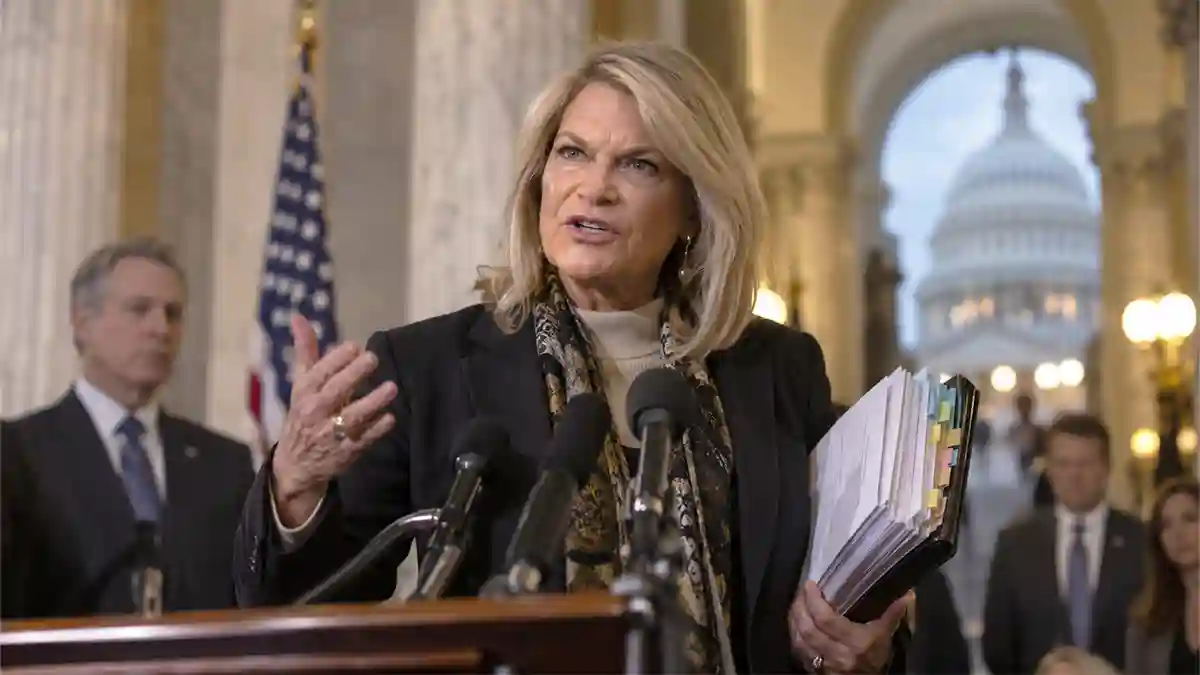
Senator Lummis Urges Democrats to Back CLARITY After 114 Amendments
Why it matters: The vote will determine whether the Senate begins considering the U.S. crypto market structure law; failure would delay regulation indefinitely.

Senate Republicans announce CLARITY Act package
Why it matters: The bill would determine regulation of the digital asset market in the US, but until the text is confirmed its market impact is limited.
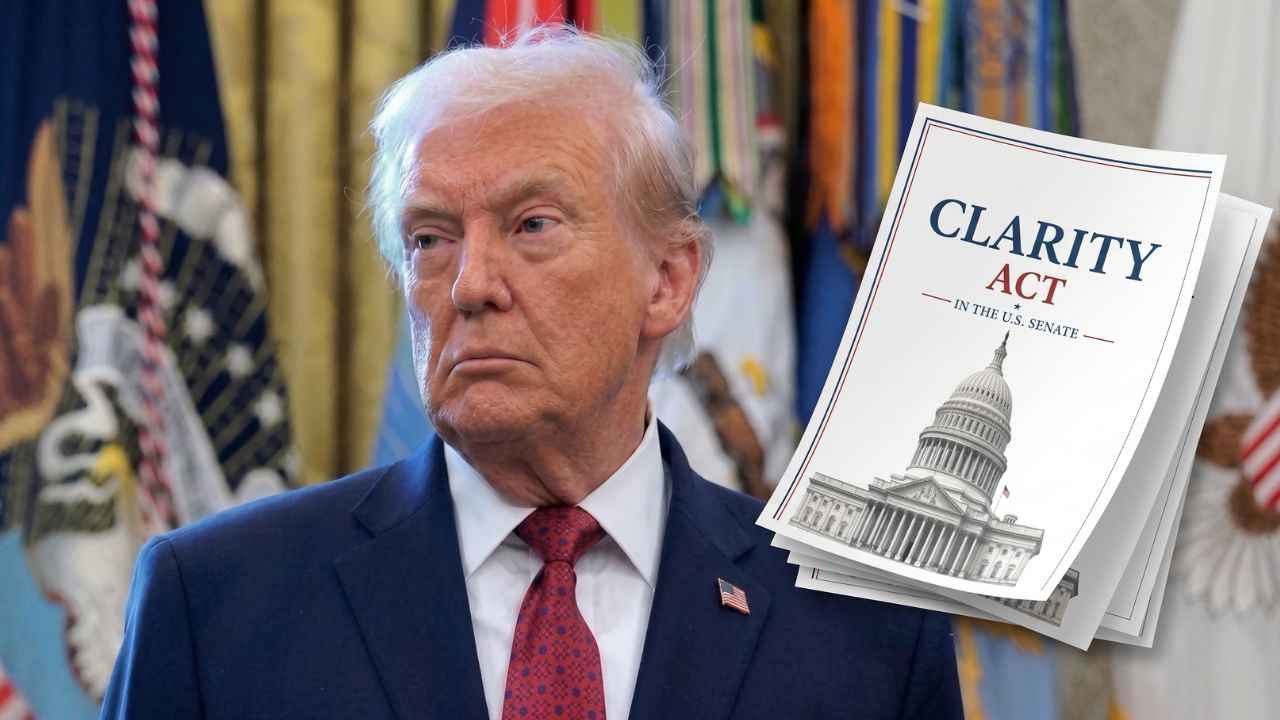
Trump holds closed-door meeting on disputed CLARITY Act clause ahead of Sept 15 vote
Why it matters: The Sept 15 vote is only a procedural step, but its outcome will determine the fate of crypto regulation in the US and trigger volatility.

Trump Ready to Accept Conflict-of-Interest Rules in Clarity Act
Why it matters: Trump's softened stance reduces the risk of the bill being blocked and speeds up the adoption of rules for the U.S. crypto market.

Grayscale: U.S. Crypto Regulation Advances Even Without CLARITY Act
Why it matters: It reduces market uncertainty: U.S. regulation is moving forward even without the key law, which will support institutional interest.
US Senate Republicans unveil new version of CLARITY Act
Why it matters: Tuesday's vote will determine the fate of the key US crypto law and the regulatory framework for the industry.

Trump agrees to bipartisan ethics provision in crypto bill
Why it matters: Passage of the law will set the rules for the US crypto market and could affect bitcoin and altcoins.

Senate Republicans present updated CLARITY Act with Trump ethics clause
Why it matters: Progress on the CLARITY Act reduces regulatory uncertainty for the US crypto market, but the outcome of the Senate vote remains in question.
US House committee to review two crypto tax bills on September 16
Why it matters: Tax certainty for miners and stakers could encourage network participation and influence investors' trading strategies.

AMC slams Robinhood's tokenized shares as Clarity Act fate hangs in balance
Why it matters: The clash over stock tokenization and the Clarity Act's stall will determine how soon the US sets rules for digital assets.

SGX wins CFTC approval for crypto perpetuals for US institutions
Why it matters: For the first time, US institutions will have regulated access to crypto perpetuals, intensifying competition with CME.

South Korea crypto tax delay petition hits 50,000 signatures
Why it matters: Pressure on parliament is mounting amid an 89% year-on-year drop in trading volume on Korean exchanges, but no decision on the tax has been made yet.

South Korean opposition leader speaks out against CBDC launch
Why it matters: Political resistance could slow the launch of the digital won and influence CBDC regulation in Asia.

Schumer calls Democrats to discuss CLARITY bill ahead of Senate vote
Why it matters: The outcome of the vote will determine the regulatory framework for the US crypto market and could move top asset prices.

Digital ruble launched across Russia: 87,000 new accounts in 10 days
Why it matters: Russia has become one of the few countries with a working CBDC, reinforcing the trend toward state digital currencies and pressure on private stablecoins.
Cambodia revokes CoolCash license from UK-sanctioned company
Why it matters: The case shows how sanctions on fraud-linked structures lead to license revocations and the liquidation of payment services.
This week: Fed rate decision and key CLARITY Act vote
Why it matters: The CLARITY Act vote and the Fed's tone will set the direction for the crypto market this week.