Bitcoin price and crypto market news

Bitcoin holds $76,000 after hawkish FOMC, $186M in shorts liquidated
Why it matters: BTC's resilience above $76,000 amid a hawkish FOMC points to buyer strength; a break above $76,800 could trigger a short squeeze toward $77,000+.

Glassnode: bitcoin holds after CLARITY Act failure, but demand stalls
Why it matters: The market is in wait-and-see mode: without fresh inflows and with corporates' average cost at $80,500, the risk of a slide below $71,300-65,000 is growing.

Bitcoin at $76,300: forecasts split between $90,000 in November and a drop to $70,000
Why it matters: The market is choosing between a bottom signal and a break of the 50-week EMA, which will set BTC's direction for weeks ahead.
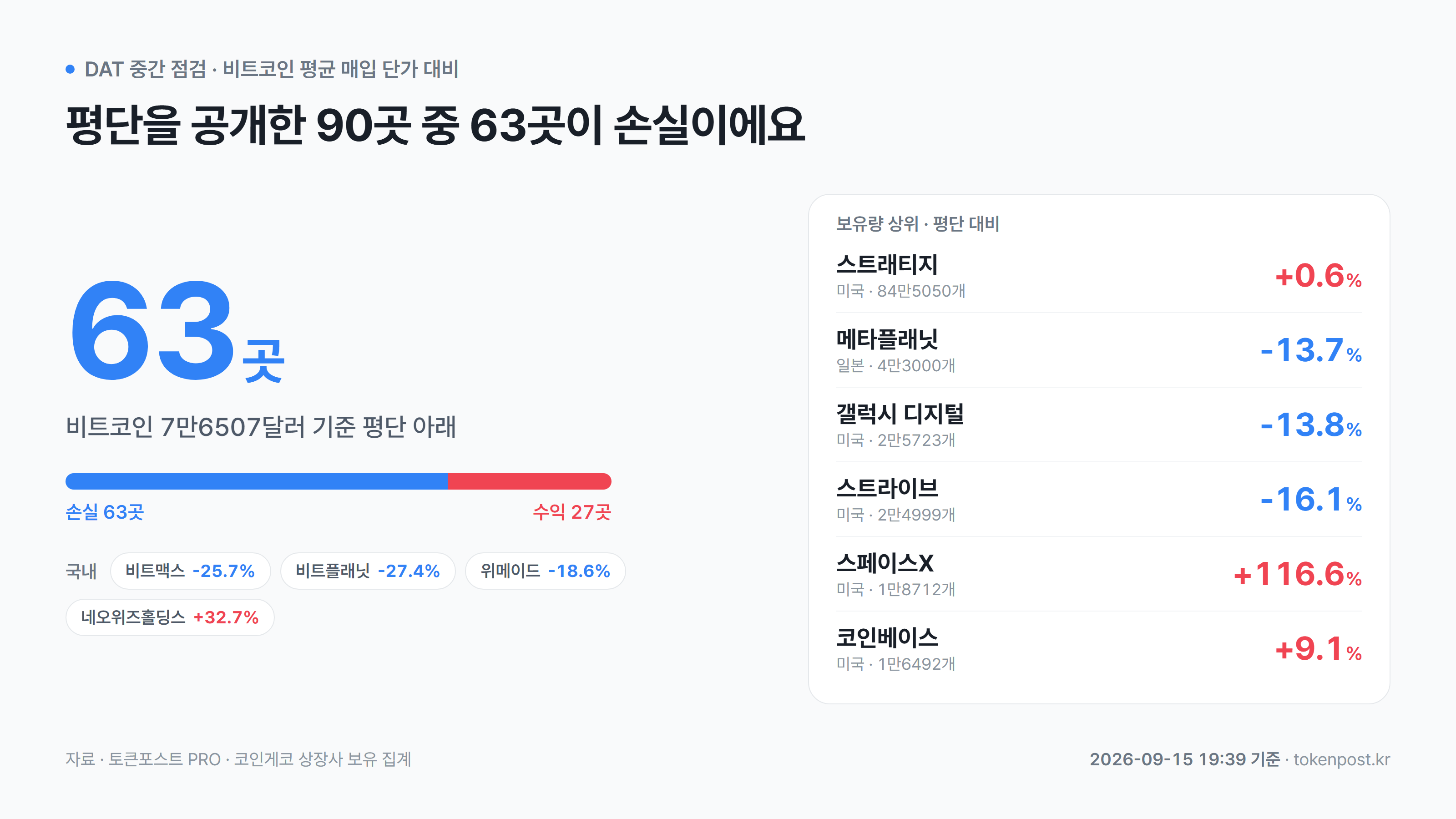
63 of 90 public BTC-holding companies underwater, Strategy up 0.6%
Why it matters: Most DAT companies have gone underwater with BTC at $76,507, threatening forced selling and pressure on the price.

Wallet withdraws 4,827 ETH from Coinbase worth $11.5M, then price rebounds
Why it matters: A single exchange withdrawal does not set a trend, but it shows large holders are buying ETH dips.
Crypto market rebounds after Fed decision: PayFi up 5%, GameFi down 8%
Why it matters: The post-Fed rebound shows the market is pricing out uncertainty, but GameFi weakness signals capital rotation into PayFi and L1/L2.
Digest: Coinbase premium hits low, Arc launches mainnet, Celsius sues BitMEX
Why it matters: Weak US demand and regulatory uncertainty weigh on bitcoin ahead of the Fed decision, while Arc's launch intensifies competition in stablecoin infrastructure.
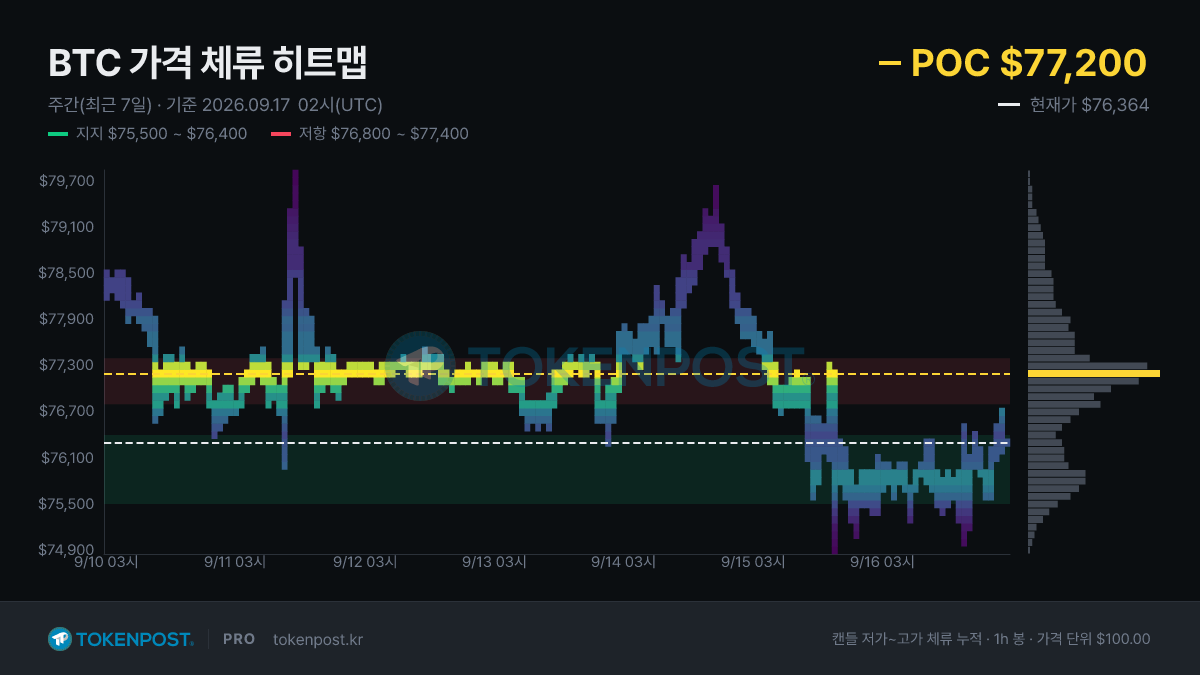
Bitcoin holds near $76,000: key resistance at $77,200
Why it matters: Holding $75,500–76,300 keeps the rebound chance alive, but without a break above $77,200 selling pressure could intensify.
Address withdraws 2,500 ETH worth $6.02 million from Binance after 9 months dormant
Why it matters: A large exchange withdrawal could indicate accumulation and a reduction in ETH supply on exchanges.

SCRT falls 11.59% in an hour to $0.007216
Why it matters: The nearest support is around $0.007: a break below it could accelerate selling amid a weak altcoin market.

Bitcoin miners shift capacity to AI as public companies' hashrate falls 56 EH/s
Why it matters: The shift of capacity into AI changes mining economics and the structure of bitcoin's hashrate, affecting difficulty and the profitability of remaining miners.
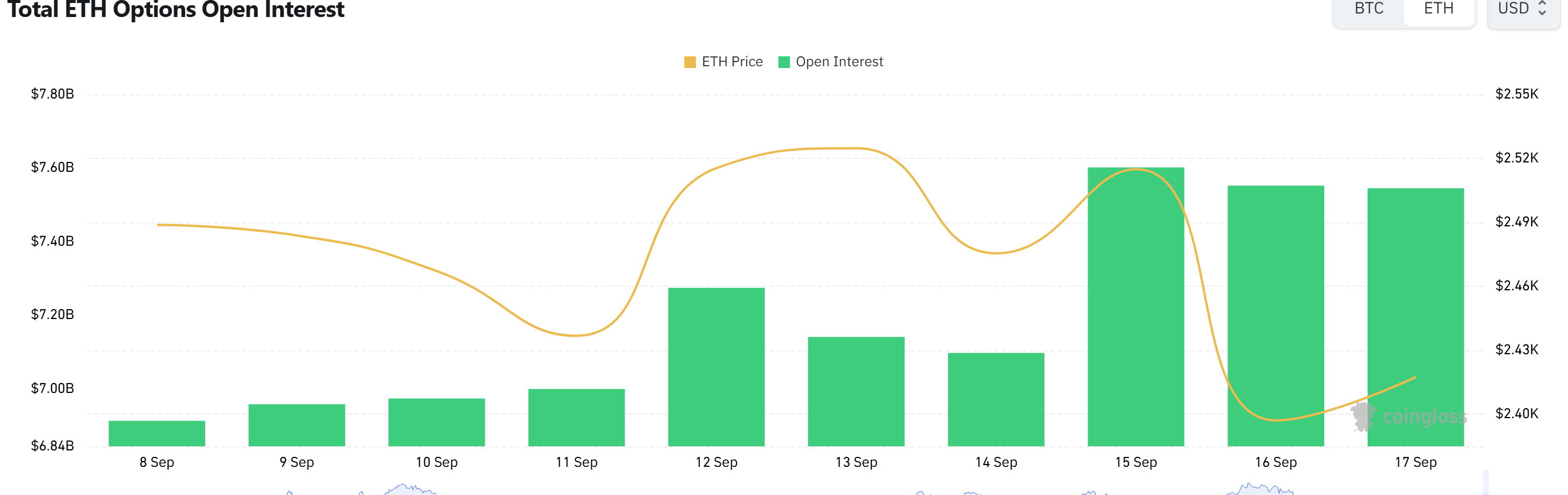
Ethereum options open interest falls to $7.37 billion, calls dominate
Why it matters: The call skew shows traders are betting on ETH gains, but falling OI points to caution and no position build-up.

WLFI multisig wallet sent 248M tokens to Binance in a month
Why it matters: Large exchange deposits often precede sales, which could weigh on the WLFI price.
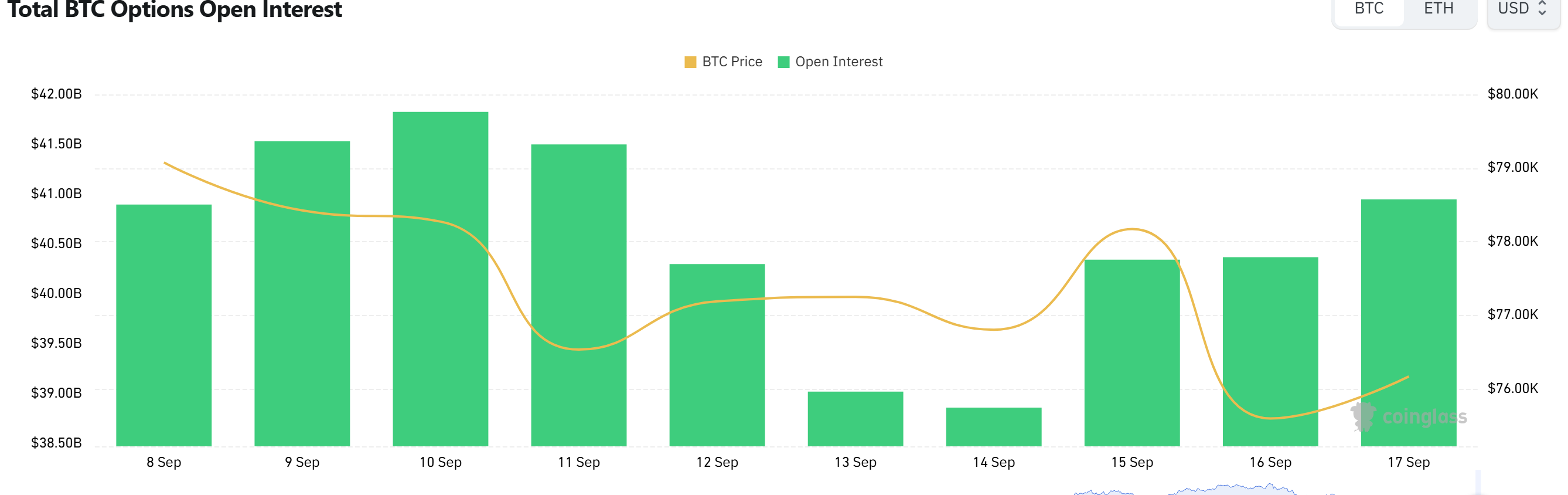
Bitcoin options open interest rises to $40.3B, demand shifts to $74,000 puts
Why it matters: The growing share of puts in short-term trading points to hedging against downside risk ahead of the September 18 expiry.
Spot HYPE ETFs draw $1.67M in a day, all via Grayscale
Why it matters: Inflows into HYPE ETFs support institutional demand for the Hyperliquid token amid a weak market.
Spot SOL ETFs draw $836,900 in a day
Why it matters: Inflows into SOL ETFs remain weak amid broad outflows from crypto funds, limiting institutional demand for Solana.
Spot XRP ETFs draw $3.5M in a day, all via Franklin XRPZ
Why it matters: Inflows into XRP ETFs remain weak and concentrated in a single fund, offering little support to the XRP price.
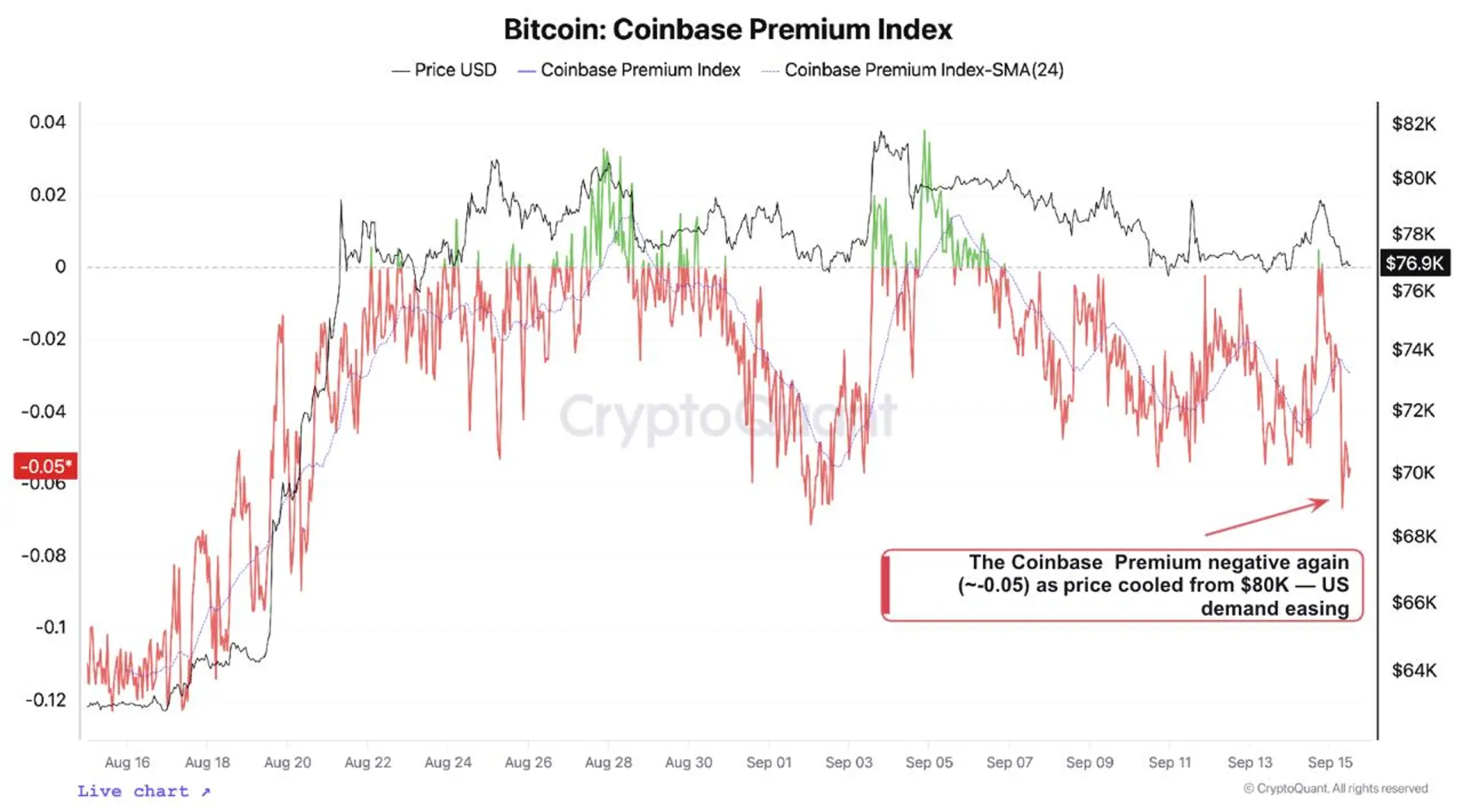
CryptoQuant: Bitcoin's bullish momentum is fading, Coinbase Premium turns negative
Why it matters: Weakening US demand and rising exchange deposits of ETH and altcoins increase the risk of a deeper correction if BTC loses $70,000.

BlackRock withdraws 656.71 BTC and 5,150 ETH worth $62 million from Coinbase Prime
Why it matters: Large movements from BlackRock's custody accounts are tracked as an indicator of institutional demand for BTC and ETH.
River: long-term investors should hold up to 10% of their portfolio in Bitcoin
Why it matters: The report strengthens the case for including Bitcoin in institutional portfolios amid rising US government debt and the breakdown of stock-bond correlation.