Bitcoin price and crypto market news

SCHIFFY memecoin jumps 135.5% in a day, market cap hits $8.4 million
Why it matters: It shows rapid liquidity rotation in Robinhood Chain memecoins, but the small market cap and limited use case carry high risk.
Polymarket: 25% odds bitcoin hits $100,000 by year-end, 2% for $150,000
Why it matters: Prediction markets show traders do not expect a quick return to $100,000, keeping expectations in the $80,000–85,000 range.
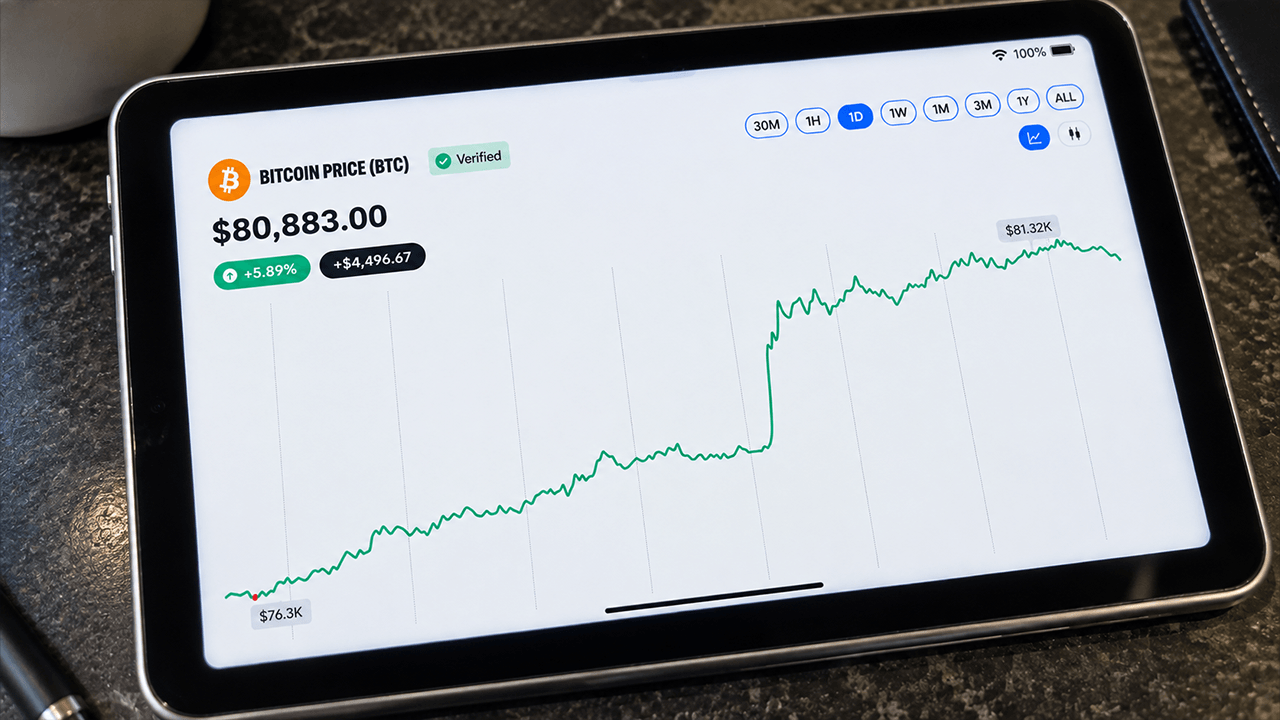
Prediction markets: 84% for $84,000, but only 25% for $100,000 by year-end
Why it matters: Prediction markets show traders expect limited BTC upside this year and do not believe in six-figure levels until 2027.

Glassnode: if bitcoin holds above $82,000, next target is $85,638
Why it matters: The average purchase price levels of ETFs and corporations act as potential sell zones, defining the near-term range for BTC.
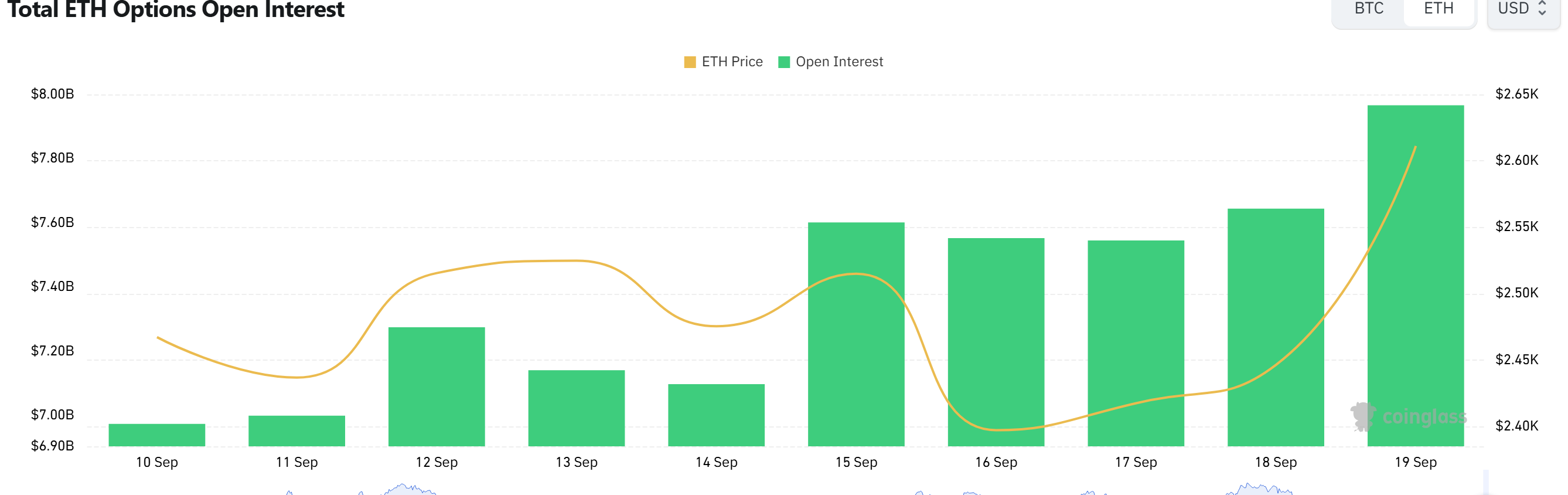
Ethereum options open interest rises to $7.78B, calls dominate
Why it matters: The dominance of calls in OI and volume signals a prevalence of bets on ETH growth, though hedging demand remains.
Whale closes $24.43M ZEC short with $10.68M loss
Why it matters: The forced closure of a large short confirms the strength of the Zcash rally and the risk for bearish positions.
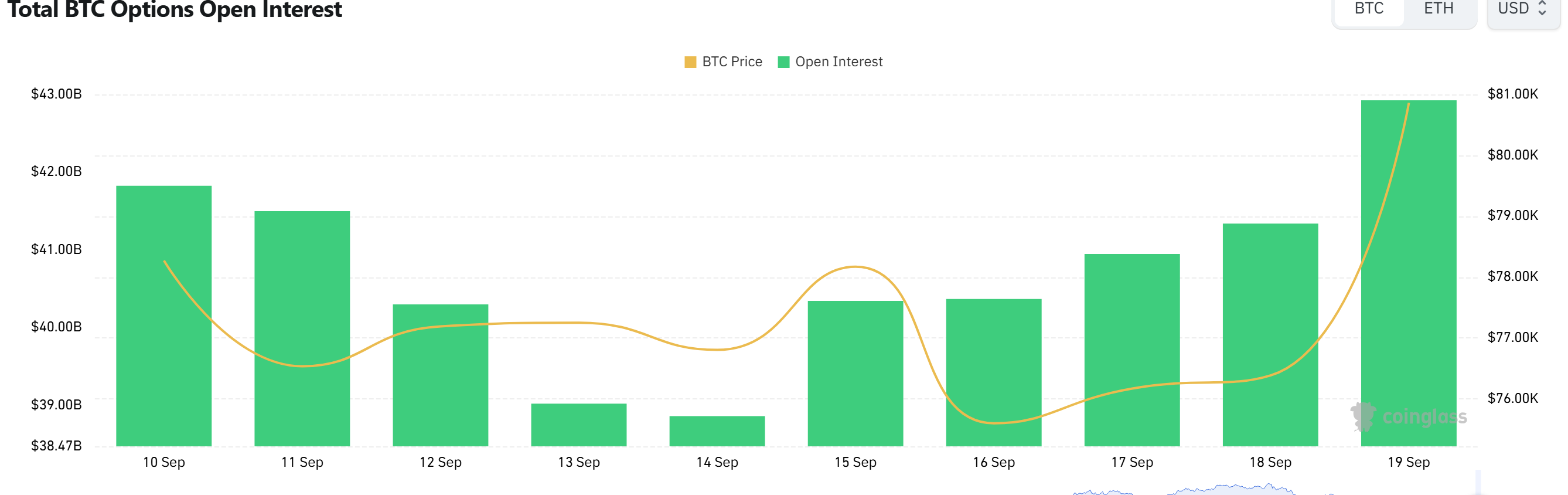
Bitcoin options open interest rises to $42.28B, $85,000 calls lead
Why it matters: The dominance of calls in OI and volume indicates growing demand for upside bets, supporting the bullish scenario for bitcoin.

Top traders cut bitcoin longs in USDT margin, add Ethereum positions
Why it matters: The reduction in bitcoin longs among large traders may signal fading bullish expectations, while rising Ethereum positions point to capital rotation.
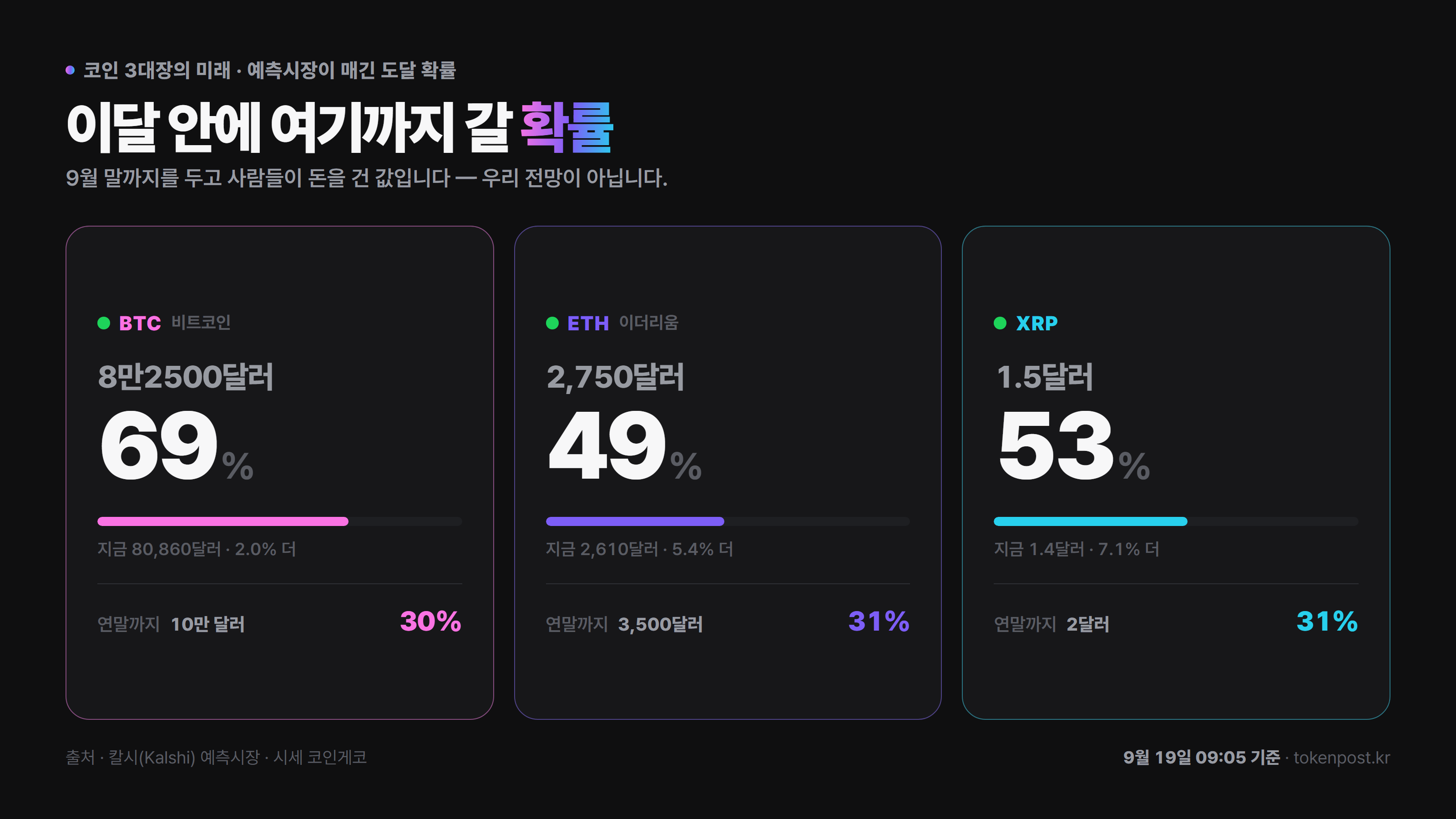
Kalshi: odds of bitcoin at $100,000 by year-end jump to 30% in a day
Why it matters: The sharp rise in prediction-market bets reflects strengthening bullish expectations after bitcoin's rebound above $80,000.
ZEC hits all-time high of $1,584
Why it matters: Zcash continues to rally amid interest in privacy assets and the upcoming NU7 upgrade.
Midnight (NIGHT) Jumps 14% in 24 Hours, 36% in a Month, Breaking $0.02277 Resistance
Why it matters: Token inflows to exchanges could trigger a short-term pullback, but holding $0.02277 would open the path to $0.026.
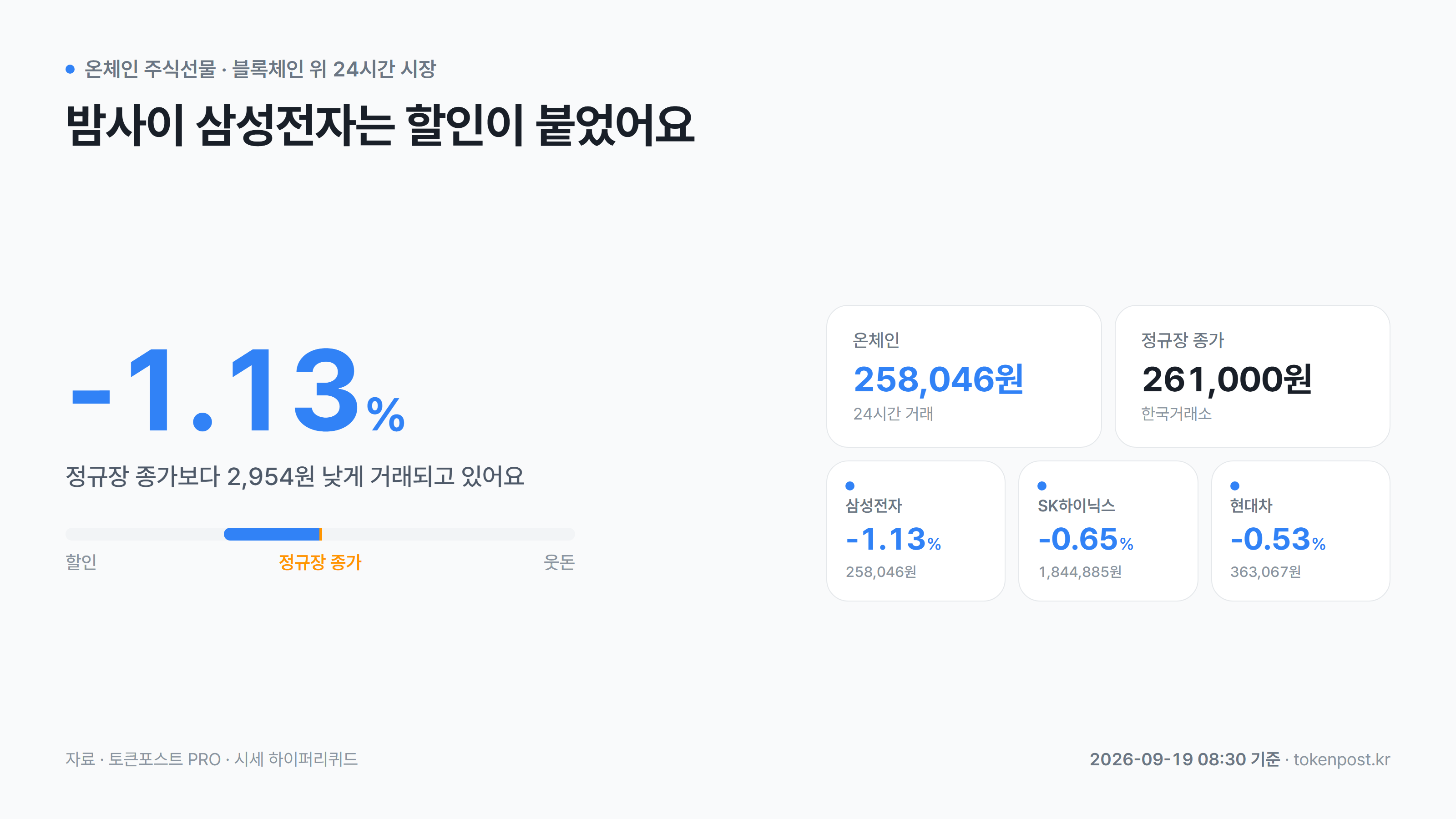
Tokenized Samsung Futures Trade at 1.13% Discount to KOSPI Close
Why it matters: The discount points to sellers dominating the overnight session, but low volume makes the price vulnerable to individual large orders.

Polkadot Rises 13% as Active Addresses Double and ETF Inflows Return
Why it matters: The return of institutional capital to the ETF and rising on-chain activity could support DOT's move toward $1.30, but a break of trend support would invalidate the scenario.
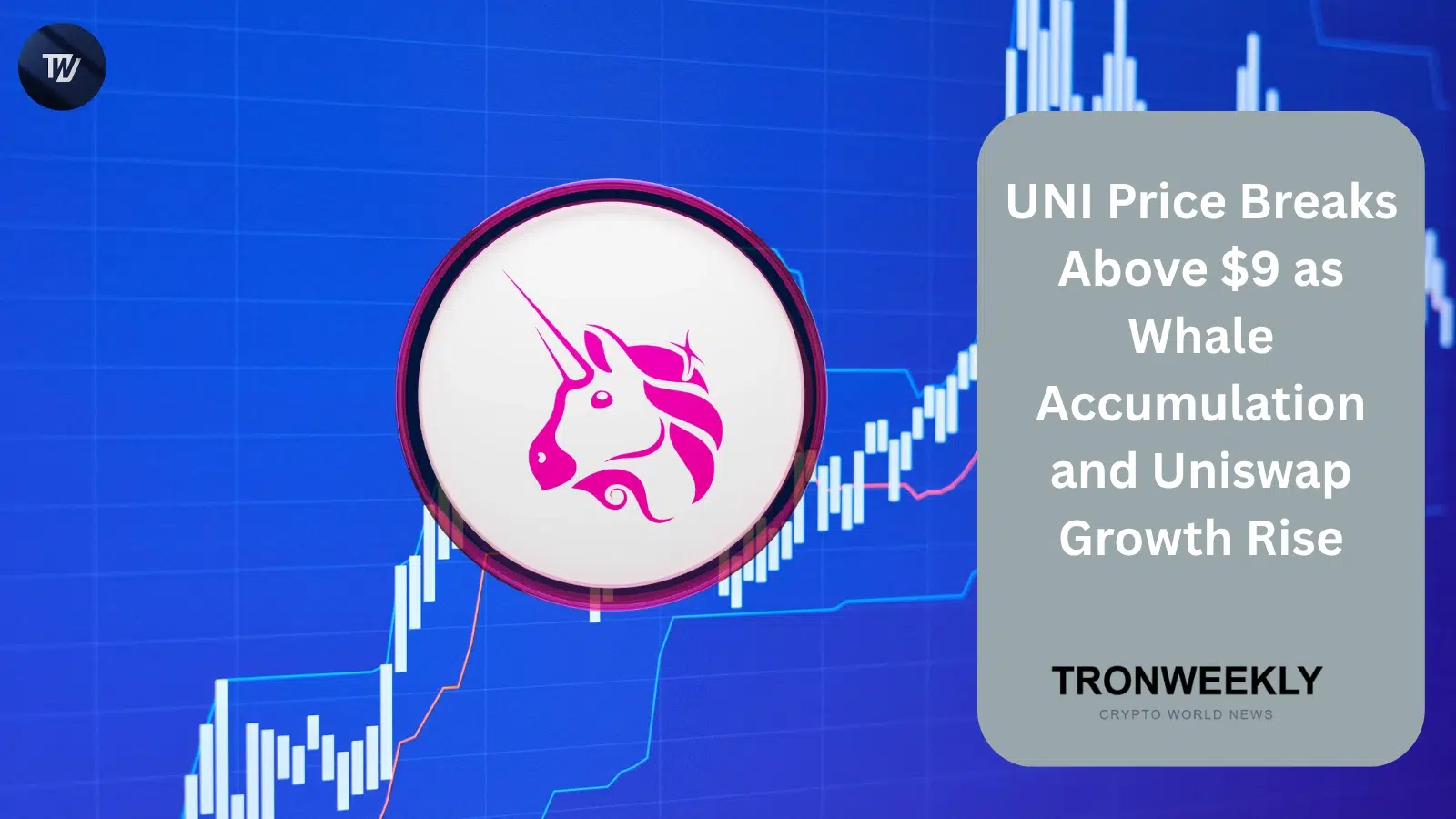
UNI Breaks $9 as Whales Accumulate 1.075M Tokens and Uniswap Expands Ecosystem
Why it matters: Breaking $9 after four years of accumulation could open the way to a larger rally, but sustainability depends on holding the new support levels.

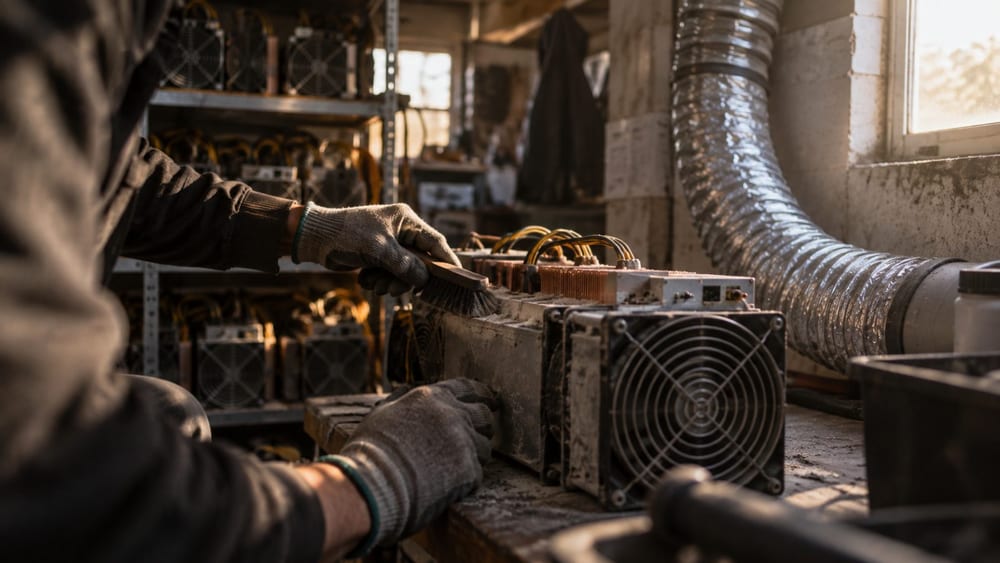
Bitcoin Mining Cost Reaches $78,000
Why it matters: If the price drops below the cost of production, miners may start selling BTC reserves, adding pressure to the market.

JST Falls 3.84% to $0.112 After 168% Year-to-Date Rally
Why it matters: The correction appears to be technical profit-taking without a specific catalyst; holding the $0.1097 support will preserve the medium-term uptrend.
DFI Plunges 74.58% in an Hour to $0.000515
Why it matters: The crash on near-zero volume points to a lack of liquidity and the risk of manipulation in low-cap tokens.

Filecoin Rebounds 16% to $0.926 After CLARITY Act Fails
Why it matters: FIL's rebound reflects a recovery in altcoins after a regulatory shock, but the token remains deeply below its all-time high.

FF Falls 7.16% to $0.127 After 95% Monthly Gain
Why it matters: The correction on low volume indicates profit-taking rather than panic; holding the $0.1273 support will determine the next trend.

Kaspa Rises 11% to $0.037 on Capital Rotation into Layer 1
Why it matters: KAS's rise reflects demand for Layer 1 altcoins amid bitcoin's recovery, but its yearly performance remains negative.