Crypto hacks and security
Entropy32 Plus Generates Bitcoin Seed Phrases From Radioactive Decay
Why it matters: Offline hardware key generation reduces the risk of seed phrase theft, but this is a niche product with no impact on the BTC price.

Blockstream refuses to pay 600 BTC ransom to Liquid Network hackers
Why it matters: A precedent for the market: refusing to pay a ransom could change bounty practices for returning stolen funds.
Revolut disclosed client data in response to fake government request
Why it matters: The incident undermines trust in fintech KYC procedures and could increase regulatory pressure on Revolut.

Kraken froze client accounts after dust attacks linked to HTX
Why it matters: The incident shows how sanctions screening can block ordinary users' accounts because of incoming dust transfers.

Mexico uncovers secret mountain mining farm, electricity theft suspected
Why it matters: The rise in illegal mining and crypto crime is increasing pressure on regulators and energy companies.
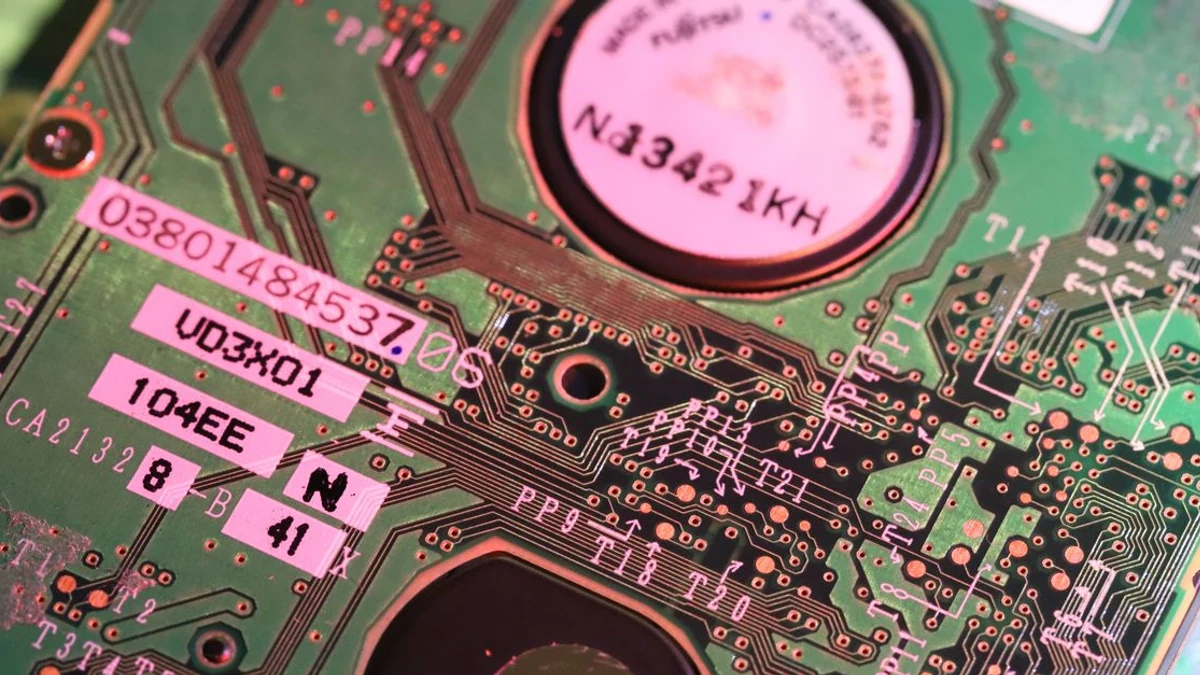
Mexican cartels mining crypto on GPUs, Tom's Hardware reports
Why it matters: Regulatory scrutiny of illegal mining and cartel crypto transactions could increase.

Symbiosis recovers 15 BTC after Bitcoin Bridge exploit, no LP compensation announced
Why it matters: Affected LPs remain without compensation, and the native bridge pause limits withdrawals and trust in the protocol.

Study: 94.4% of DeFi attack losses occurred outside audit scope
Why it matters: Audits do not guarantee protection: investors should verify the code version, deployment address and components excluded from audits.

Audited DeFi protocols lost $885 million to attacks outside audit scope
Why it matters: Audits do not guarantee the security of upgrades, keys and infrastructure, so holders should assess the real attack surface rather than the presence of a badge.

Chainflip loses $736K USDT in exploit tied to TRON integration
Why it matters: The incident highlights the risks of differences between blockchain integrations, and the network pause affects Chainflip users' swaps and liquidity.

BTCPay Server releases 2.4.4 update after attacks on LND API
Why it matters: Operators with a self-hosted, publicly exposed LND API need to urgently update to 2.4.4 and check their wallet passwords.
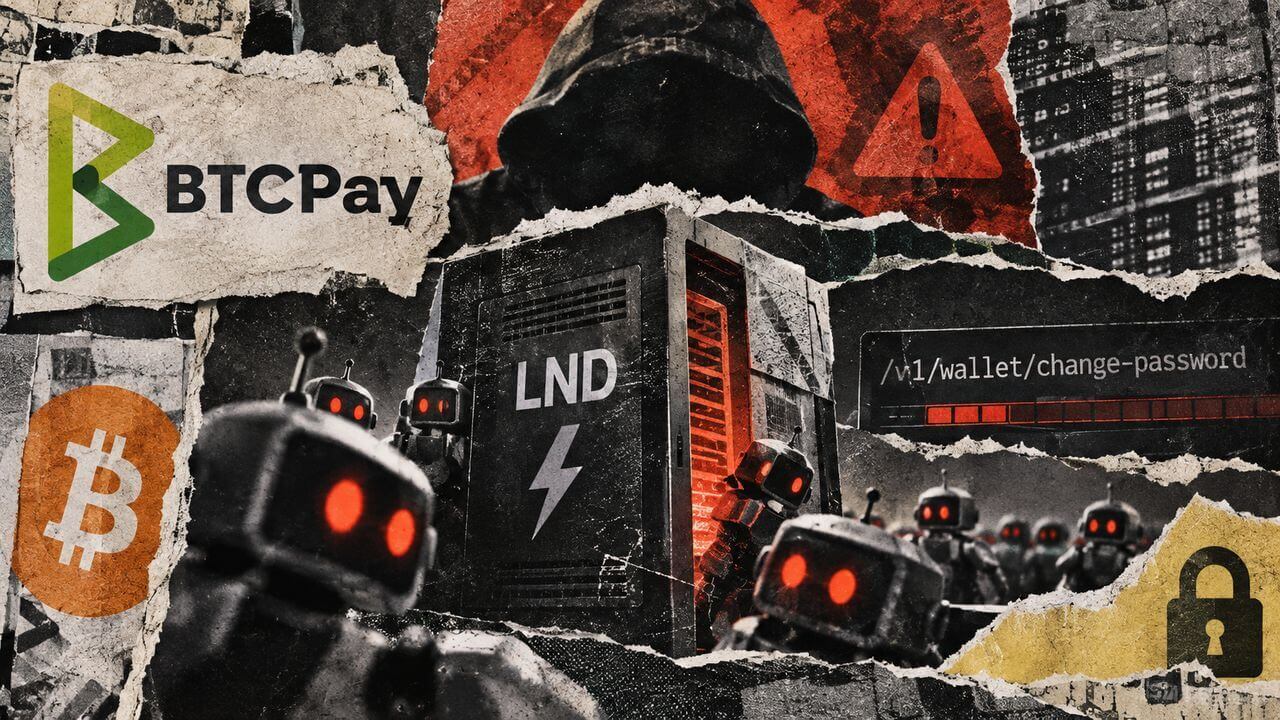
Bots attack exposed BTCPay Server Lightning nodes
Why it matters: Operators with their own reverse proxy need to urgently update BTCPay to 2.4.4 and close public access to LND, or funds could be stolen.

Mexico uncovers illegal crypto farm, suspects electricity theft
Why it matters: A crackdown on illegal mining in Latin America could lead to more inspections and tighter regulation of the industry.

Weekly recap: LAPTOP crashes 98%, Liquid resumes after 4,000 BTC theft, $245M stolen
Why it matters: Major exploits and the memecoin collapse are further eroding market confidence and drawing regulators' attention to security.

Cosmos Hub recovers from outage, but Ledger still won't show ATOM
Why it matters: The outage shows a wallet can remain inaccessible even after the network recovers, creating risk for ATOM holders.

North Korea recruits foreigners to infiltrate US crypto firms
Why it matters: The scheme shifts the attack point to hiring: even a secure smart contract won't help with insider access, so companies need enhanced candidate vetting.
XPR Network loses $9 million in proton.swaps exploit
Why it matters: The incident highlights the risks of weak input validation in DeFi, but the return of most funds may limit long-term damage.

Solana Mobile disables marketing email after Brevo breach
Why it matters: The phishing emails went through legitimate infrastructure and passed checks, increasing the risk of seed phrase theft for Solana users.
Revolut handed client data to fake government request, including bitcoin transaction history
On September 11–12, 2026, Revolut provided client documents to an unknown person in response to a fraudulent request from a genuine government domain. The leaked data included passports, selfies, IBANs and full bitcoin transaction history; the number of affected individuals was not disclosed. Revolut says its systems and client funds were not compromised, and an investigation has been launched.