Crypto hacks and security

Dutch police arrest woman in bitcoin-paid murder-for-hire case
Why it matters: The case shows that bitcoin's public blockchain helps police investigations despite its pseudonymity.
SpiralCom loses 10.7 ETH in Uniswap V4 exploit
Why it matters: The incident undermines confidence in Uniswap V4's security and may make DeFi liquidity providers more cautious.

Hong Kong resident loses HK$13M in fake crypto app scam
Why it matters: The rise in crypto scams using fake apps increases pressure on regulators and on the reputation of stablecoins such as USDT.

Hong Kong pensioner loses $1.7M in fake crypto app scam
Why it matters: The rise in crypto scams using fake apps is increasing pressure on regulators and risks for retail investors.
Elderly Hong Kong resident loses over HK$13 million in crypto scam
Why it matters: Rising crypto fraud undermines trust in the industry and increases pressure on regulators in Asia.

US DOJ seizes illegal marketplace and freezes $52 million in crypto
Why it matters: The strengthening of international raids against scam infrastructure reduces the volume of fraudulent schemes and increases regulatory pressure on the crypto space.

Orenburg man to face trial over 4 million ruble mining equipment fraud
Why it matters: The case highlights the growth of mining-related fraud in Russia and the risks of equipment partnership schemes.

Hacker mints 46.1B fake BTC on Symbiosis bridge, steals $336,000
Why it matters: The incident highlights bridge risks and inflated token issuance volumes, and raises the question of compensation for affected liquidity providers.

French gendarmerie unveils strategy to combat crypto kidnappings
Why it matters: A rise in violent crime against crypto holders in France increases pressure on regulation and industry security.
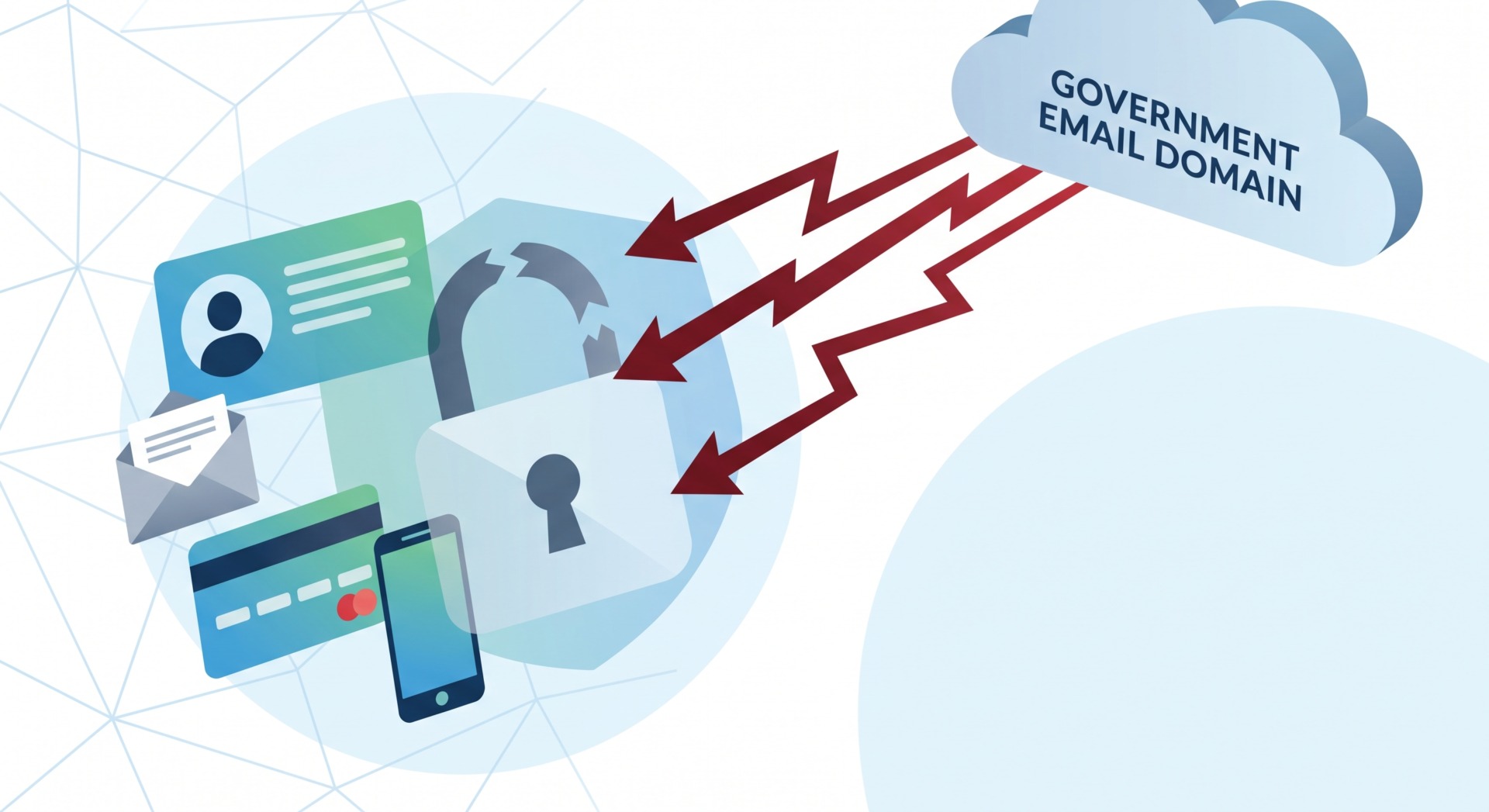
Revolut disclosed client data after scam exploiting government agency domain
Why it matters: The incident undermines trust in KYC data at crypto platforms and threatens Revolut with regulatory scrutiny.

Seven Arrested in South Korea for Laundering $67 Million via Crypto
Why it matters: The case highlights the use of cryptocurrencies to launder large sums and increases pressure for regulation in South Korea.

North Korea pays crypto for fake interviews at US IT companies
Why it matters: The scheme gives North Korea legitimate access to crypto companies' infrastructure, leading to thefts and data leaks.

North Korea recruits third-country IT specialists to sit interviews
Why it matters: The scheme bypasses screening and gives hackers legitimate access to crypto companies' systems, raising the risk of thefts and data leaks.
AI-based WeWorm hijacks WeChat accounts in seconds
Why it matters: The rise in account hacks strengthens the case for cold storage and hardware wallets for crypto.
LDK releases v0.2.6 patch fixing two critical Lightning Network vulnerabilities
Why it matters: The vulnerabilities affect wallets and infrastructure on LDK; delays in updating increase the risk to user funds.
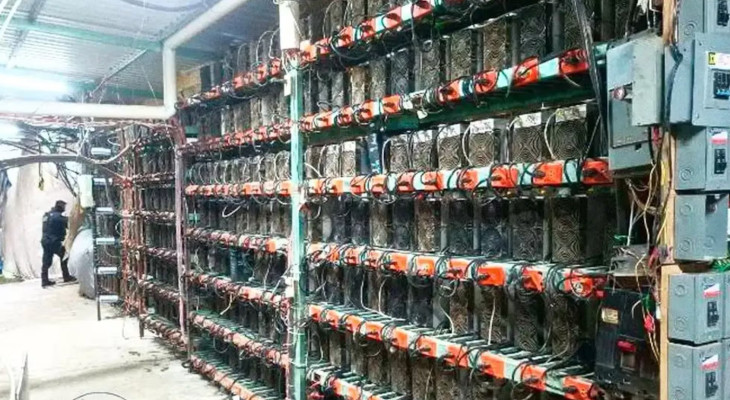
Mexico dismantles mining farm linked to cartels
Why it matters: The case adds pressure on miners: illegal farms and laundering through mining could accelerate tighter regulation in Latin America.
North Korea hires third-country IT specialists to infiltrate US companies
Why it matters: The rise in North Korean crypto theft heightens risks for exchanges and protocols, requiring stronger KYC and security.

Hackers threaten to leak Revolut customer data daily
Why it matters: The data leak damages Revolut's reputation and customer trust in the platform's crypto services.
Entropy32 Plus Generates Bitcoin Seed Phrases From Radioactive Decay
Why it matters: Offline hardware key generation reduces the risk of seed phrase theft, but this is a niche product with no impact on the BTC price.

Blockstream refuses to pay 600 BTC ransom to Liquid Network hackers
Why it matters: A precedent for the market: refusing to pay a ransom could change bounty practices for returning stolen funds.