Crypto exchange and company news

Nasdaq to launch tokenized NETs shares by 2027
Why it matters: The largest U.S. exchange is testing blockchain infrastructure for equities, which could accelerate institutional adoption of tokenization.

Hyperliquid's 14-Day Average OI Reaches 93.7% of OKX's
Why it matters: Hyperliquid's growing OI intensifies competition with CEXs and could shift the liquidity landscape in the derivatives market.

KuCoin suspends MultiversX (EGLD) deposits for maintenance
Why it matters: The EGLD deposit suspension limits top-ups on the exchange but does not affect withdrawals or trading.
VanEck rates Metaplanet worst among top bitcoin treasuries on executive pay
Why it matters: The report increases pressure on bitcoin treasury corporate governance: investors may demand limits on option pools and tying pay to per-share metrics.

Crypto startups raised $180.25 million in a week, Kaiko $110 million
Why it matters: Major banks and exchanges are funding data infrastructure and stablecoin payments, strengthening the market's institutional base.

Binance launches 7 US stock perpetuals with up to 20x leverage
Why it matters: Exchanges are expanding access to stocks outside Wall Street hours, intensifying competition with tokenized stocks and traditional brokers.
Celsius sues BitMEX to recover 6,360 BTC worth $491 million
Why it matters: The lawsuit could increase payouts to Celsius creditors and set a precedent for challenging exchange liquidations during periods of extreme volatility.

Coinbase and Kraken file with CFTC for single-stock perpetuals, Binance launches 24/7 forex perpetuals
Why it matters: Perpetual futures on stocks and currencies expand crypto derivatives into traditional markets, intensifying competition among exchanges for institutional clients.

WhiteBIT exchange token WBT hits record high of $83.64
Why it matters: The exchange token's growth depends on its revenue and trading volumes rather than on a network like Bitcoin, which carries additional risk for holders.

Crypto.com Launches Tokenized US Stocks for European Users
Why it matters: It expands Europeans' access to US stocks through crypto infrastructure amid growth in the tokenized asset market.
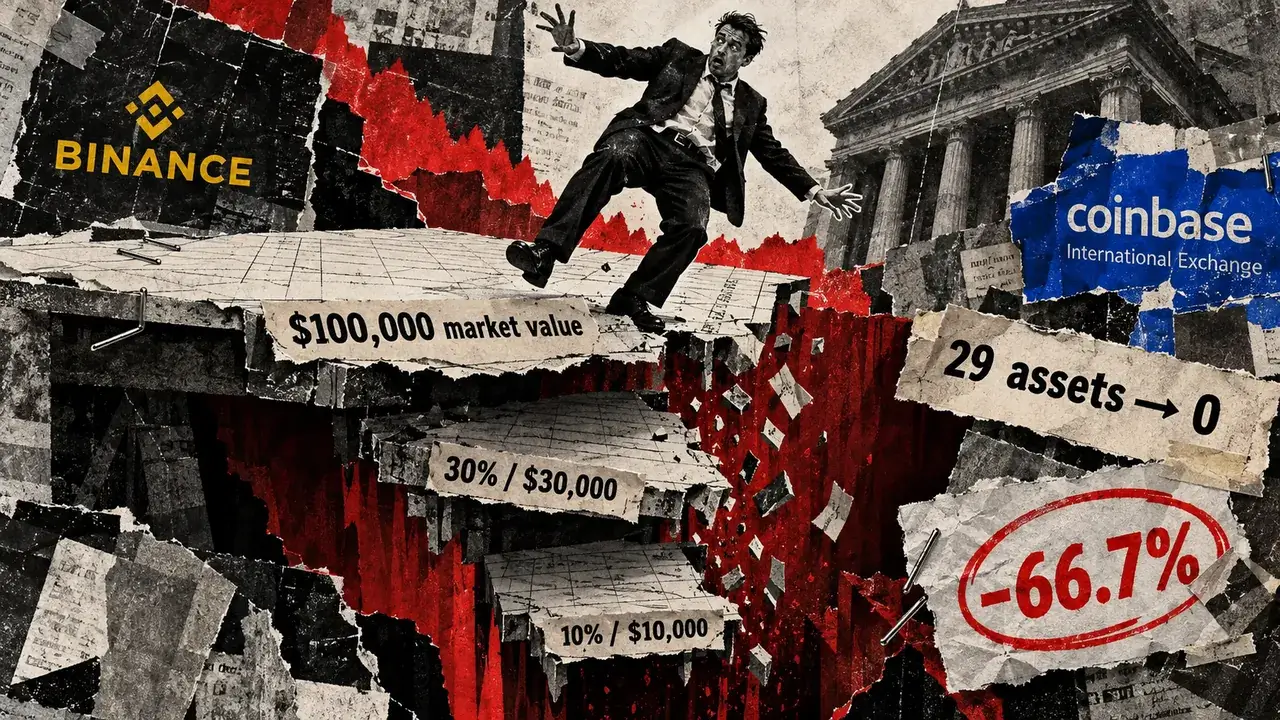
Binance and Coinbase Cut Collateral Value of Several Tokens
Why it matters: Lower collateral value reduces available leverage and traders' margin buffers regardless of token prices, which could trigger forced liquidations.
BitMine nears end of Ethereum accumulation: 5.96M ETH worth $15.4B
Why it matters: Completing accumulation and shifting to staking will reduce shareholder dilution and create cash flow, supporting crypto-treasury company stocks.

Robinhood charges up to 2% spread on default bitcoin trades
Why it matters: Hidden costs of up to 2% noticeably reduce active traders' returns and raise questions about price transparency on major retail platforms.

SkyAI rejects Forward Industries' $2.13 per share buyout offer
Why it matters: The case shows that for DAT companies, not only coin reserves matter but also capital structure, share dilution, and management compensation.

Barry Silbert calls Bittensor (TAO) the successor to Zcash and Bitcoin
Why it matters: A major institutional investor publicly shifting from BTC/ZEC into the decentralized AI sector could boost demand for TAO.
Robinhood Shares Jump 9% on Tokenized Stock Trading Rules
Why it matters: Tokenizing stocks expands the market for brokers like Robinhood and strengthens the link between crypto and traditional securities.

Strive Buys 469 BTC for $36.6M, Reserves Reach 25,000 Bitcoins
Why it matters: Strive became the fifth-largest public holder of bitcoin, confirming corporate demand for BTC through preferred shares without dilution.

Binance pays $1.88 dividends on tokenized SPYB shares
Why it matters: Auto-reinvesting dividends into tokens brings on-chain stocks closer to traditional DRIP programs and tests demand for tokenized securities outside brokerage accounts.

Binance's bStocks adds 181K holders in a week, overtaking Robinhood
Why it matters: Growth in tokenized stock holders intensifies competition between Binance and Robinhood and accelerates the shift of equity trading onto the blockchain.
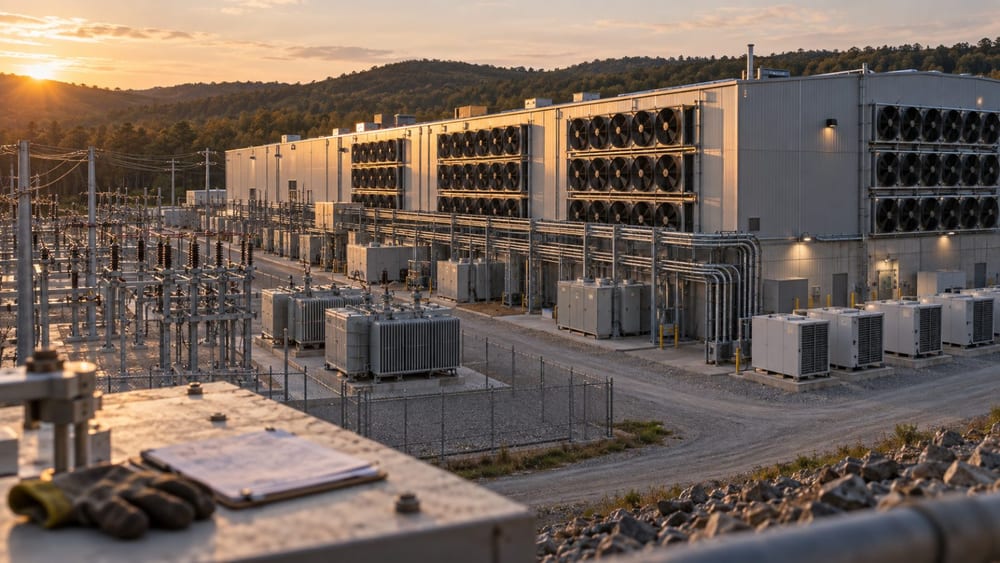
CleanSpark raises $2.23B in bonds for Meta data center
Why it matters: The miner is shifting its business into AI infrastructure: the success of the placement will show whether the market is ready to finance such projects with debt.