Crypto exchange and company news

Gate Enters Top 3 Exchanges by Futures Open Interest at $12.47B
Why it matters: Gate's rising OI intensifies competition among derivatives platforms, but by itself does not indicate market direction.

Bybit CEO: bitcoin is still far from 'digital gold' status
Why it matters: The view from the head of a major exchange reflects lingering institutional doubts about BTC as a store of value.

Daily wrap: Bitcoin +5.9%, Kalshi and Payward file for US stock perpetuals
Why it matters: The expansion of perpetuals on US stocks brings crypto exchanges closer to the traditional market and intensifies regulatory competition for this segment.

KuCoin suspends FET deposits for maintenance
Why it matters: The suspension of FET deposits limits account top-ups on KuCoin but has little impact on the asset's price.
Ripple unveils Swell 2026 agenda: XRP, tokenization and stablecoins
Why it matters: The agenda sets an institutional narrative around XRP and asset tokenization that could support demand for XRP and XRPL-based products.
Bybit CEO: retail bitcoin activity 30% below peak, market has bottomed
Why it matters: The head of a major exchange's assessment signals weak retail demand and a possible reversal if a new narrative emerges.

Strategy jumps 48% in a month, becomes Nasdaq 100 leader
Why it matters: MSTR remains a key public-market proxy for Bitcoin, and its performance reflects institutional demand.

Polymarket launches Perps perpetual futures for all users
Why it matters: Polymarket is expanding beyond prediction markets into crypto derivatives, intensifying competition with Hyperliquid and exchanges.

S&P Global to buy smart-contract auditor OpenZeppelin
Why it matters: A major traditional finance player is buying a key DeFi auditor, accelerating institutional adoption of tokenization.

BitGo enables USDT acceptance at Toyota distributor in Bolivia
Why it matters: The case shows the growing everyday use of stablecoins in countries with dollar shortages, supporting demand for USDT.

Circle becomes Chelsea shirt sponsor for 2026/27 season
Why it matters: Circle is promoting USDC through a mass audience to strengthen the stablecoin's recognition amid competition with USDT.

Coinbase and Stablecore to open crypto services to 3,000+ US banks
Why it matters: Mass access for regional banks to crypto services could accelerate institutional adoption of stablecoins and digital assets.

Kalshi files for perpetual futures on US stocks
Why it matters: The expansion of stock perpetuals in the US blurs the line between crypto derivatives and traditional markets, intensifying exchange competition.
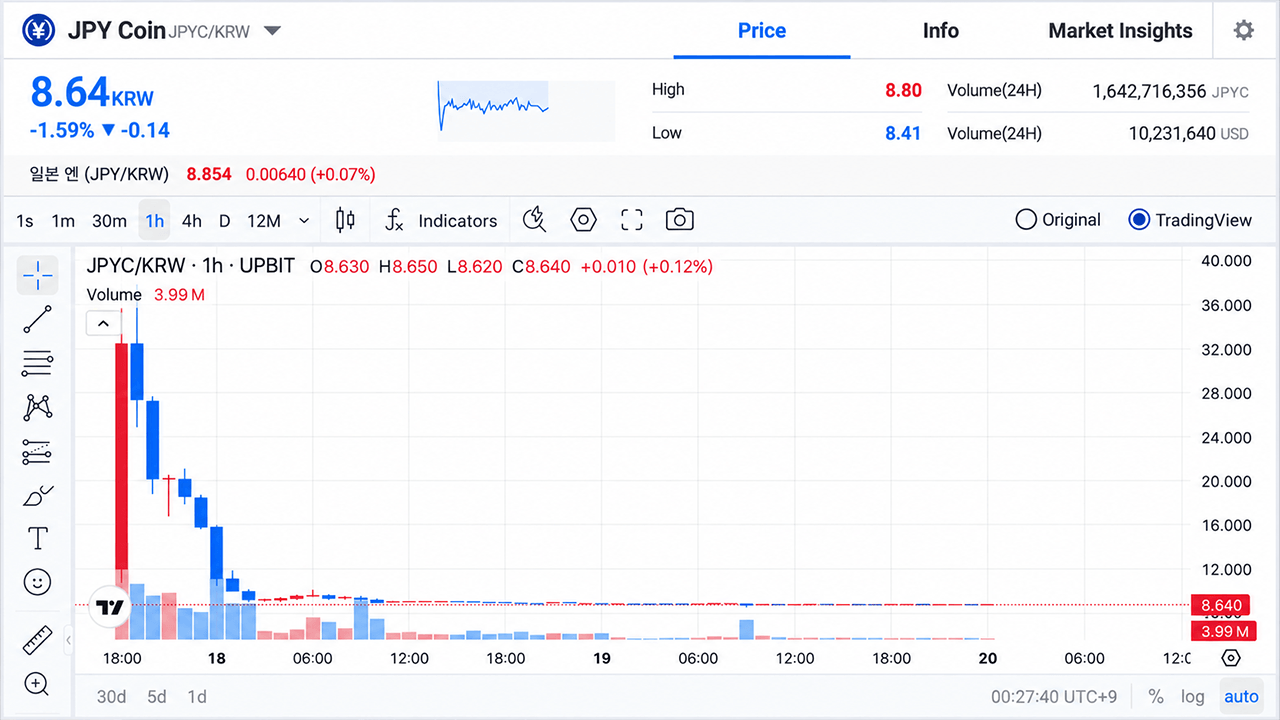
JPYC debuts on Upbit: yen stablecoin spikes above 3 yen
Why it matters: The case showed how thin liquidity on a local exchange can break a stablecoin's parity and how issuance quickly restores it.

Pepe Unchained announces MEXC delisting and development delays
Why it matters: The MEXC delisting reduces PEPU liquidity, while the compensation deadline creates a risk of token loss for holders.
Nasdaq to launch tokenized NETs shares by 2027
Why it matters: The largest U.S. exchange is testing blockchain infrastructure for equities, which could accelerate institutional adoption of tokenization.

Hyperliquid's 14-Day Average OI Reaches 93.7% of OKX's
Why it matters: Hyperliquid's growing OI intensifies competition with CEXs and could shift the liquidity landscape in the derivatives market.
KuCoin suspends MultiversX (EGLD) deposits for maintenance
Why it matters: The EGLD deposit suspension limits top-ups on the exchange but does not affect withdrawals or trading.
VanEck rates Metaplanet worst among top bitcoin treasuries on executive pay
Why it matters: The report increases pressure on bitcoin treasury corporate governance: investors may demand limits on option pools and tying pay to per-share metrics.

Crypto startups raised $180.25 million in a week, Kaiko $110 million
Why it matters: Major banks and exchanges are funding data infrastructure and stablecoin payments, strengthening the market's institutional base.