Crypto exchange and company news

MEXC Loses $243M in Reserves in a Week, Binance Attracts $374M
Why it matters: The outflow of reserves from MEXC may signal capital shifting to the largest exchanges and rising liquidity concentration.
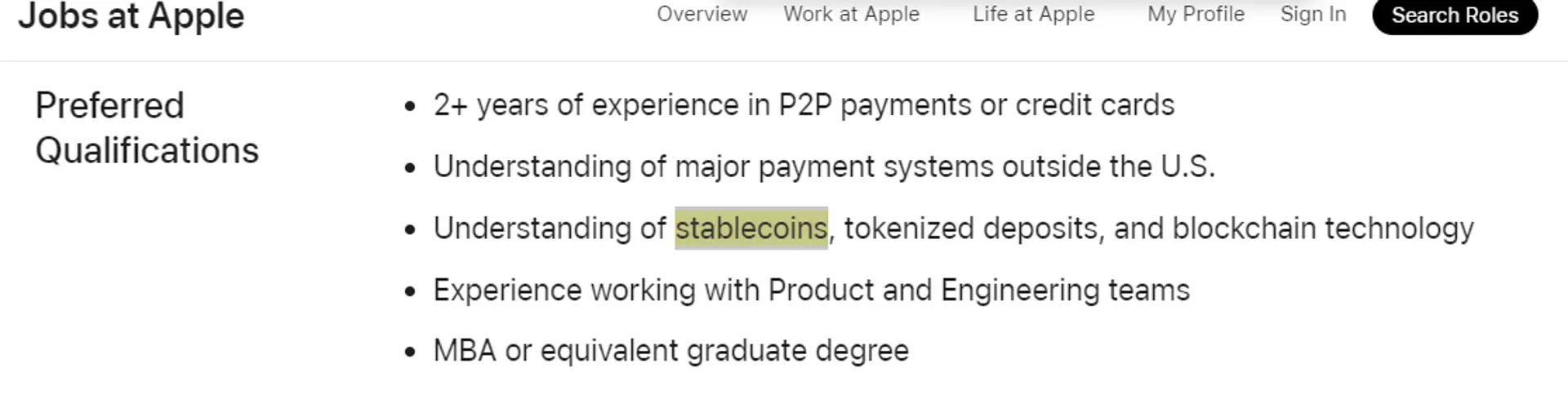
Apple and Google Seek Stablecoin Specialists for Payment Services
Why it matters: The largest tech companies are preparing infrastructure for stablecoins, which could accelerate their integration into mass payments.
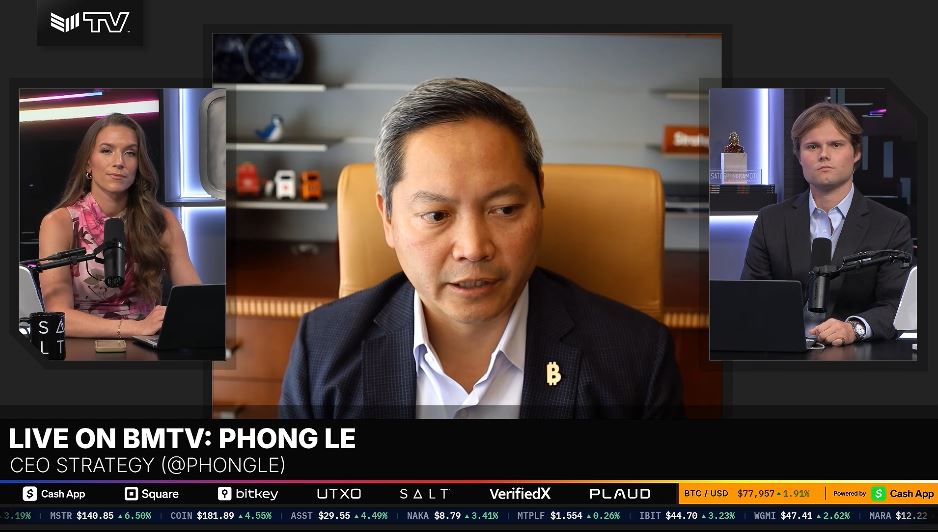
Strategy CEO: Major Global Banks Will Enter Bitcoin Market Within a Year
Why it matters: Major banks entering custody and tokenization could accelerate institutional inflows into bitcoin and intensify competition with crypto exchanges.
Strategy's unrealized Bitcoin profit climbs to $5.02B
Why it matters: The largest Bitcoin treasury returning to profit strengthens the case for corporate demand for BTC.
VanEck gives Metaplanet the only 'Bad' rating over executive pay scheme
Why it matters: VanEck's complaints about dilution at DAT companies could increase pressure on Bitcoin treasury stocks and their ability to raise capital.
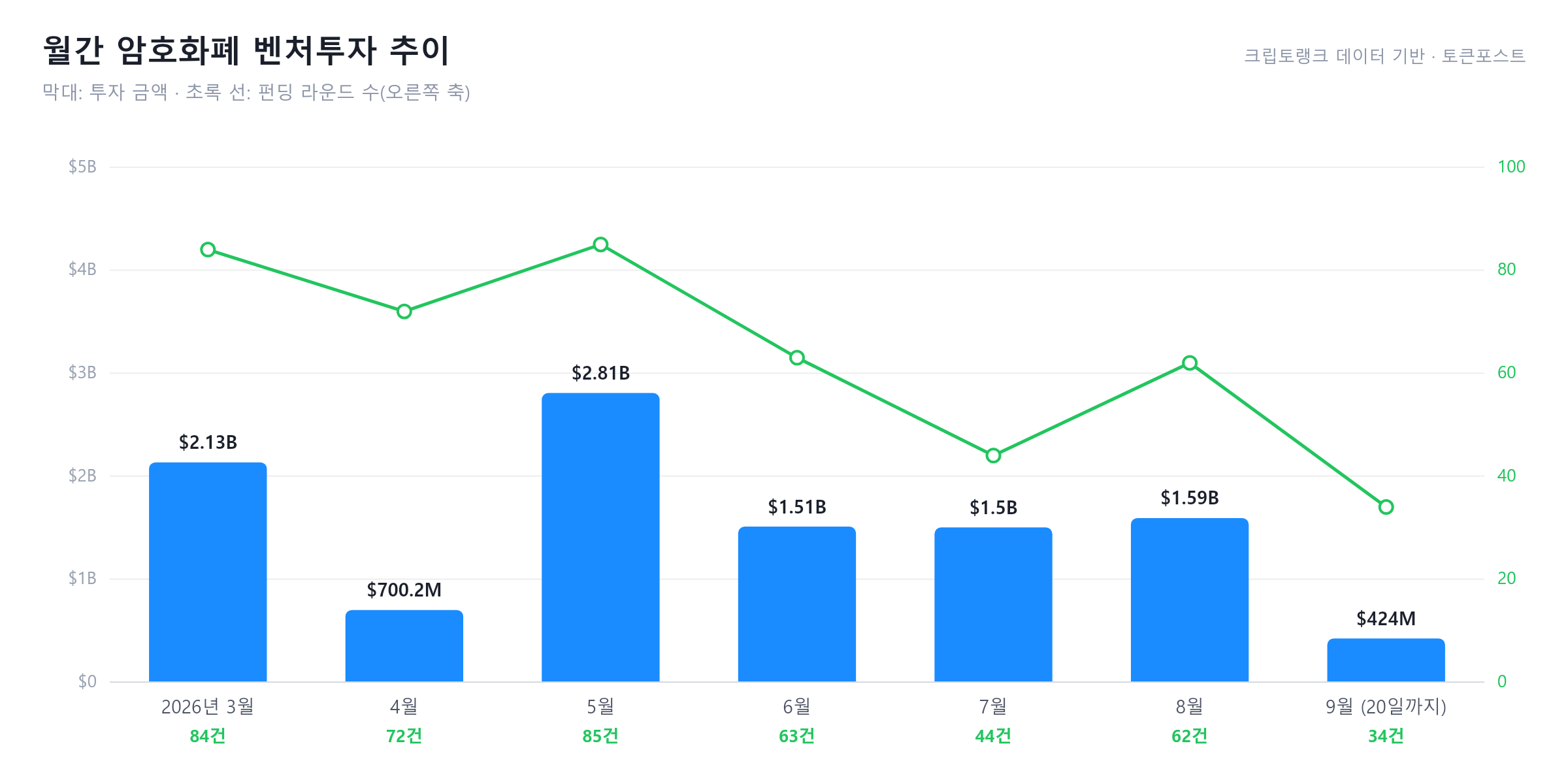
Crypto venture funding reaches $424 million across 34 deals in September
Why it matters: The slowdown in venture funding signals a contraction in risk appetite across the crypto industry after peak months.
Uniswap founder: SBF bought Uniswap.com domain for seven figures and redirected it to a fork
Why it matters: It reveals details of the story around the Uniswap brand and SBF's practices, but has no direct impact on the UNI price.
SBI Group joins $25M round for stablecoin payments firm dtcpay
Why it matters: A major Japanese financial holding expands its presence in Asia's stablecoin infrastructure.
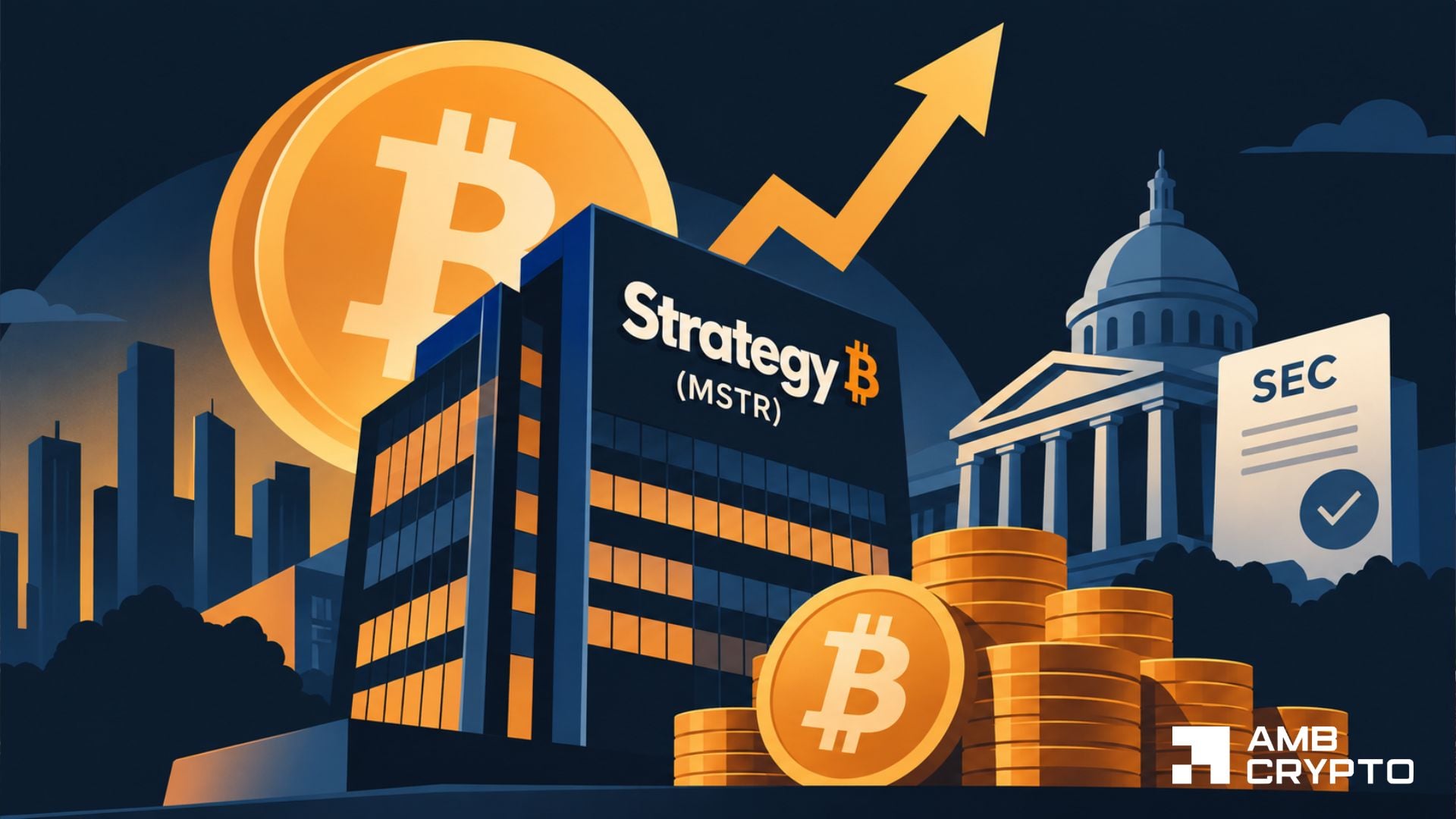
Strategy shares jump 16.39% on 845,000 BTC treasury
Why it matters: MSTR's rally depends directly on BTC's price, so further stock gains require sustained bitcoin demand.

Binance Wallet and PancakeSwap launch Pre-Access for pre-IPO tokens without shareholder rights
Why it matters: Exchanges are widening retail access to pre-IPO assets, but without shareholder rights — raising risks and regulatory questions around tokenized stocks.

BlackRock: Bitcoin still diversifies portfolios even as Wall Street capital flows in
Why it matters: Support from the world's largest asset manager strengthens the case for including BTC in institutional portfolios.
Robinhood adds frxUSD as its first stablecoin pool
Why it matters: A major retail platform opening access to Frax's stablecoin could intensify competition in the stablecoin segment.
Weekly wrap: CLARITY Act fails, Kraken to launch onchain perps on Hyperliquid
Why it matters: The launch of regulated onchain perpetuals in the U.S. legitimizes DeFi derivatives and strengthens Hyperliquid and HYPE.
KuCoin launches MemeFi: memecoins trade against tokenized stocks
Why it matters: It expands the use of memecoins as a quote asset and intensifies exchange competition for the tokenized-stock market.

Binance to launch new USDT-margined perpetuals on September 18
Why it matters: Expanding the derivatives lineup intensifies competition for perpetual market share and gives traders more hedging tools.

Grayscale raises XRP allocation to 26% in model portfolio, second only to Ethereum
Why it matters: Increased allocation from a major manager could boost institutional demand for XRP and support its price.
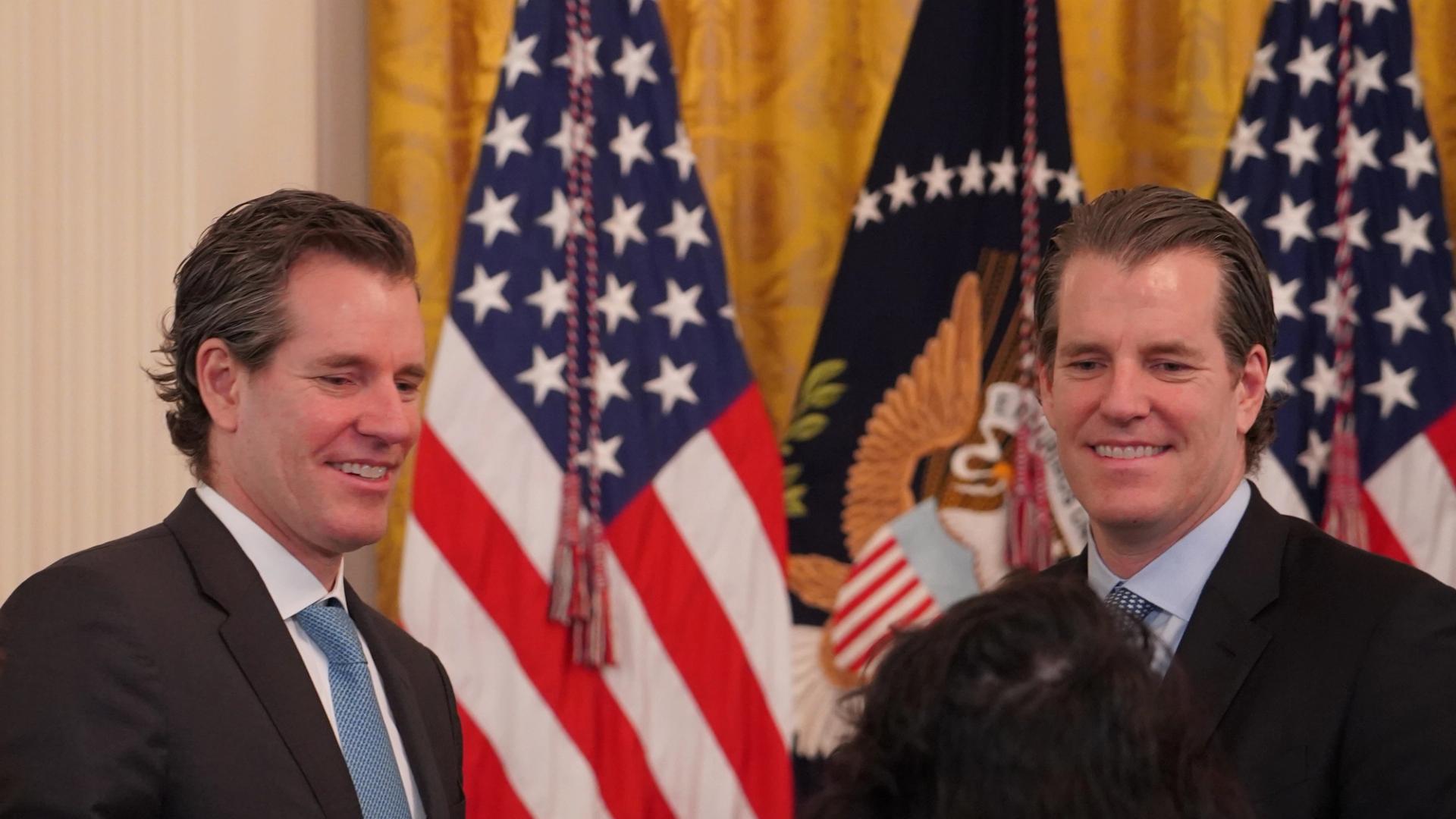
Gemini shares down 80% from IPO: $753 million market cap, takeover talk
Why it matters: Crypto M&A is shifting toward buying licenses and infrastructure rather than trading volume, and a Gemini deal could set a benchmark for valuing regulated platforms.

Polymarket raising round at $21 billion valuation amid fraud concerns
Why it matters: The largest prediction market may secure capital at a $21 billion valuation, but regulatory and reputational risks are weighing on the sector.
Binance integrates Ethereum into Web3 wallet, launches chat with crypto transfers
Why it matters: Easier access to DeFi through the largest exchange could attract new users and intensify competition among wallets.

Toyosa starts accepting bitcoin for Toyota purchases in Bolivia
Why it matters: The expansion of crypto payments at a major auto dealer shows growing adoption of digital assets in Latin America after regulatory easing.