Crypto exchange and company news
Binance adds 25 new stocks to tokenized equity trading service
Why it matters: Expanding the tokenized stock lineup intensifies exchange competition for the RWA market and attracts traditional investors to crypto.

Upbit flags EGLD as a 'caution coin'
Why it matters: The flag on a major Korean exchange raises the risk of delisting or restrictions and weighs on EGLD's price.

Bithumb flags FET, EGLD and ACX as 'caution coins'
Why it matters: The flag on a major Korean exchange raises the risk of delisting or trading suspension and weighs on the price of these tokens.

PDAX lists JitoSOL, bringing Solana liquid staking to Philippine pesos
Why it matters: It expands access to Solana liquid staking in Asia through a regulated exchange, boosting demand for JitoSOL and SOL.
Binance launches perpetual FX futures with up to 100x leverage
Why it matters: Crypto exchanges are expanding derivatives into traditional currency pairs, intensifying competition with forex brokers for round-the-clock trading.
Binance Wallet launches Polymarket/USD1 perpetuals with up to 3x leverage
Why it matters: The exchange is widening access to Polymarket prediction markets through perpetuals and tokenized collateral.

Deribit rolls out new matching engine, cutting latency to microseconds
Why it matters: Consistently low latency reduces the risk of trading on stale quotes and could deepen liquidity in Deribit's derivatives markets.

KB Kookmin Card joins Mastercard CPP to test stablecoin payments
Why it matters: A major card issuer is testing stablecoin payments, accelerating crypto's integration into traditional payment infrastructure in Asia.

Kalshi rejects claims of fake crypto trading volumes
Why it matters: The dispute over the reliability of Kalshi's volumes could undermine trust in prediction-market metrics and draw regulatory scrutiny.

Upbit weekly trading volume rises 22.4% to $9.9B, led by XRP
Why it matters: Rising activity on South Korea's largest exchange and XRP's lead point to stronger altcoin demand in the Asian region.

Canary's TRON staking ETF begins trading on WebullGlobal
Why it matters: It expands institutional access to TRX through regulated exchange infrastructure, which could support demand for the token.

BDACS launches institutional custody on Fireblocks
Why it matters: Growing institutional infrastructure in South Korea could accelerate adoption of tokenized currencies and stablecoins in the region.

Traders Question Kalshi Volume Data Over 14x Discrepancy
Why it matters: If confirmed, the gap would mean Kalshi's stated liquidity exceeds what is executable, distorting risk assessment and comparisons with other markets.
Kalshi denies allegations of faking perpetuals trading volumes
Why it matters: The dispute over volume transparency affects trust in Kalshi's regulated perpetuals as it competes with offshore exchanges.

Tools for Humanity Launches World Money With Stablecoins and Stripe
Why it matters: World is moving beyond identity into the payments fintech segment, intensifying competition in stablecoin payments.

Robinhood CEO: Crypto Event Contracts Will Overtake Sports Betting
Why it matters: Prediction markets are becoming a major revenue source for Robinhood, with the crypto segment outpacing sports, where legal risks are mounting.

MEXC Loses $243M in Reserves in a Week, Binance Attracts $374M
Why it matters: The outflow of reserves from MEXC may signal capital shifting to the largest exchanges and rising liquidity concentration.

Apple and Google Seek Stablecoin Specialists for Payment Services
Why it matters: The largest tech companies are preparing infrastructure for stablecoins, which could accelerate their integration into mass payments.
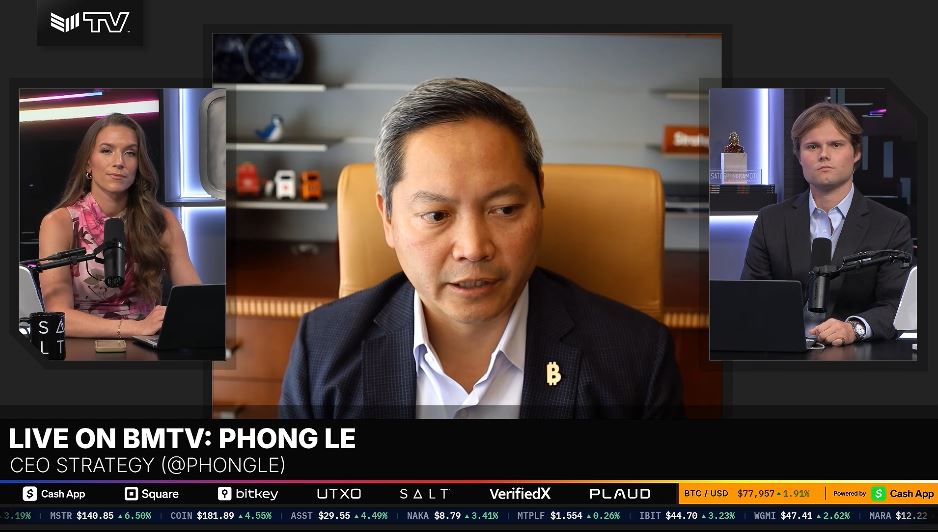
Strategy CEO: Major Global Banks Will Enter Bitcoin Market Within a Year
Why it matters: Major banks entering custody and tokenization could accelerate institutional inflows into bitcoin and intensify competition with crypto exchanges.
Strategy's unrealized Bitcoin profit climbs to $5.02B
Why it matters: The largest Bitcoin treasury returning to profit strengthens the case for corporate demand for BTC.