Crypto exchange and company news

Binance sees $165M net USDT inflow in 24 hours
Why it matters: Stablecoin inflows to exchanges are often seen as a sign of growing buying power, but one platform's data is not enough to draw conclusions about the market.

Firmus plans $5B IPO on ASX
Why it matters: Australia's largest tech IPO in history will show how much investors are willing to pay for miners' pivot into AI infrastructure.
Satsuma wins court approval to return £30.7M to shareholders
Why it matters: The collapse of Satsuma's bitcoin treasury strategy is a warning sign of the risks facing public companies that hold BTC on their balance sheets.

MoonPay Acquires Onchain Trading Platform Rhythm
Why it matters: MoonPay is expanding from on-ramps into trading infrastructure, intensifying competition among consumer crypto apps.
SGX files with CFTC for BTC and ETH perpetual futures for US institutions
Why it matters: Traditional exchanges are entering the crypto derivatives market, intensifying competition and potentially drawing institutional capital into the US.
Metaplanet sets up Hong Kong bitcoin investment unit with $1M capital
Why it matters: Metaplanet is expanding the infrastructure around its 43,000 BTC treasury, strengthening its presence in Asian markets.
Circle buys Tazapay for $400 million to expand USDC in emerging markets
Why it matters: The deal strengthens USDC's competition with USDT in developing countries and could accelerate growth in Circle Payments Network volumes.
eToro returns to Hungary with a $50 bonus for new users
Why it matters: The return of a major broker signals easing crypto regulation in Hungary amid MiCA.

Bitbank to end ENJ support on October 16 over price divergence
Why it matters: The delisting of ENJ on a major Japanese exchange pressures the token's liquidity and price, and signals problems with cross-chain versions of the asset.
Metaplanet cancels 41% of Series 10 warrants, reducing share dilution
Why it matters: Reduced dilution makes Bitcoin treasury company shares more attractive to investors and could support the MTPLF price.
Robinhood CEO: issuers should not have veto power over tokenized stocks
Why it matters: Robinhood's stance could accelerate stock tokenization by reducing issuer control over secondary products.
Nubank launches Nu Global in the US with USDC and EURC
Why it matters: A major bank with a 140 million customer base is embedding stablecoins into international transfers, accelerating their move into the mainstream.
Binance to support USDT contract swap on Optimism from September 17
Why it matters: Holders of USDT on Optimism do not need to do anything, but deposits and withdrawals on that network are temporarily unavailable.

KuCoin Convert adds LAPTOP (Hunter Biden's Laptop) memecoin
Why it matters: The KuCoin listing boosts the memecoin's liquidity and accessibility for traders.

Metaplanet opens Hong Kong subsidiary to manage BTC
Why it matters: Expanding its operational capacity strengthens Metaplanet's role as one of the largest public BTC treasury companies and could influence Bitcoin demand.
Metaplanet cuts management option program by 41% to $220 million
Why it matters: Reducing dilution supports the share price and the BTC accumulation model, but reliance on share issuance remains a risk for holders.

Circle buys Tazapay for $400M to expand USDC into new markets
Why it matters: Circle is strengthening USDC in developing markets where USDT dominates, which could shift the balance of power among stablecoins.

Bithumb Automatically Enrolls Users in Staking When Buying Crypto
Why it matters: Complaints about pre-checked consent could lead to changes in exchange staking practices and tighter regulation in Korea.

Pump.fun: foundation treasury near $2B, team aged 25, plans for own stablecoin
Why it matters: With $2 billion in capital, Pump.fun could move into stablecoins and M&A, intensifying competition among memecoin platforms and exchanges.
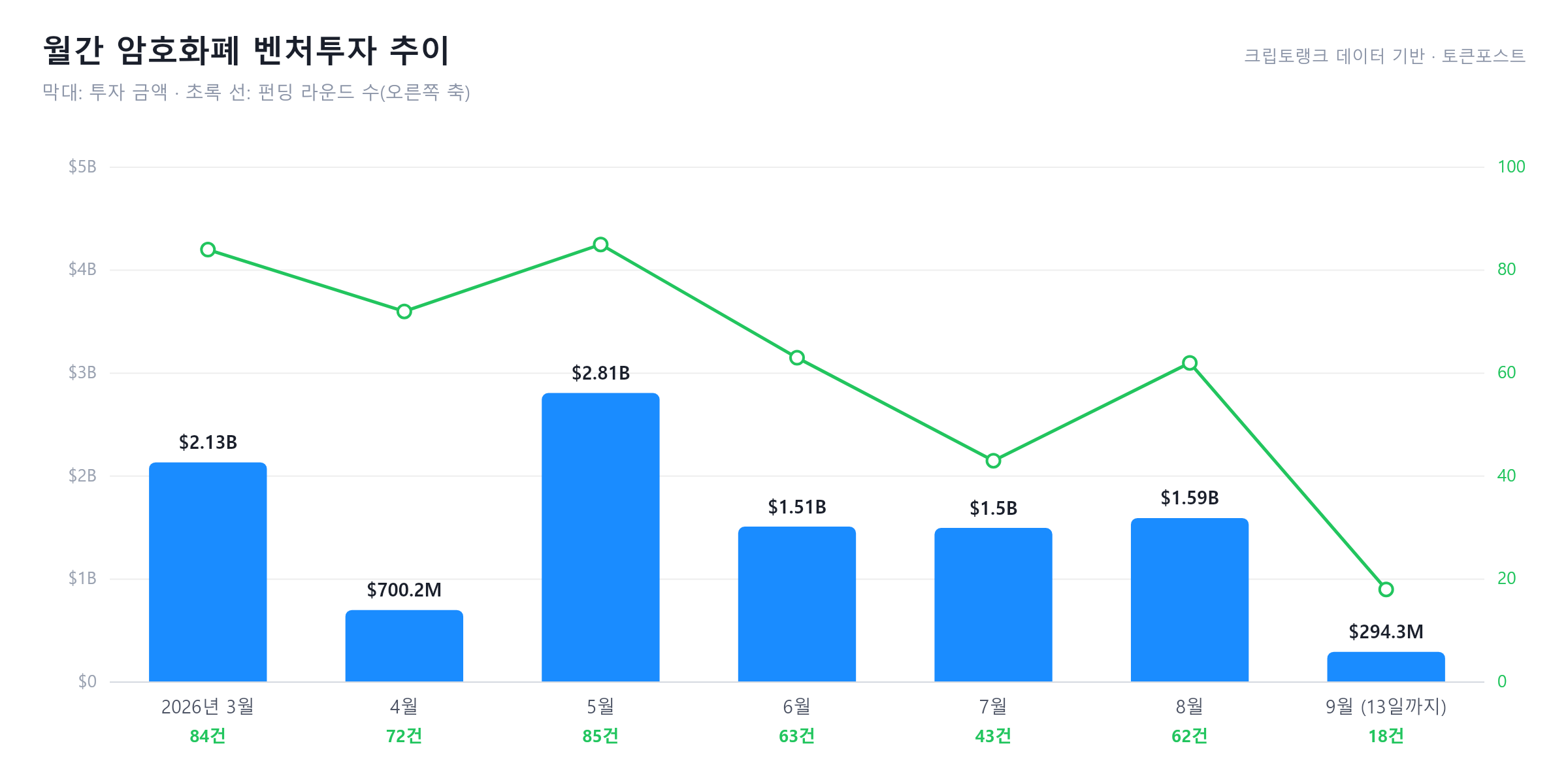
Crypto venture investment reaches $294M in September
Why it matters: Slowing venture funding signals reduced risk appetite in the crypto industry.