DeFi, stablecoins and network upgrades

Sui launches Hashi testnet to tap idle bitcoin
Why it matters: If Hashi works, some idle bitcoin could flow into Sui's DeFi services, boosting demand for BTC and the Sui ecosystem.
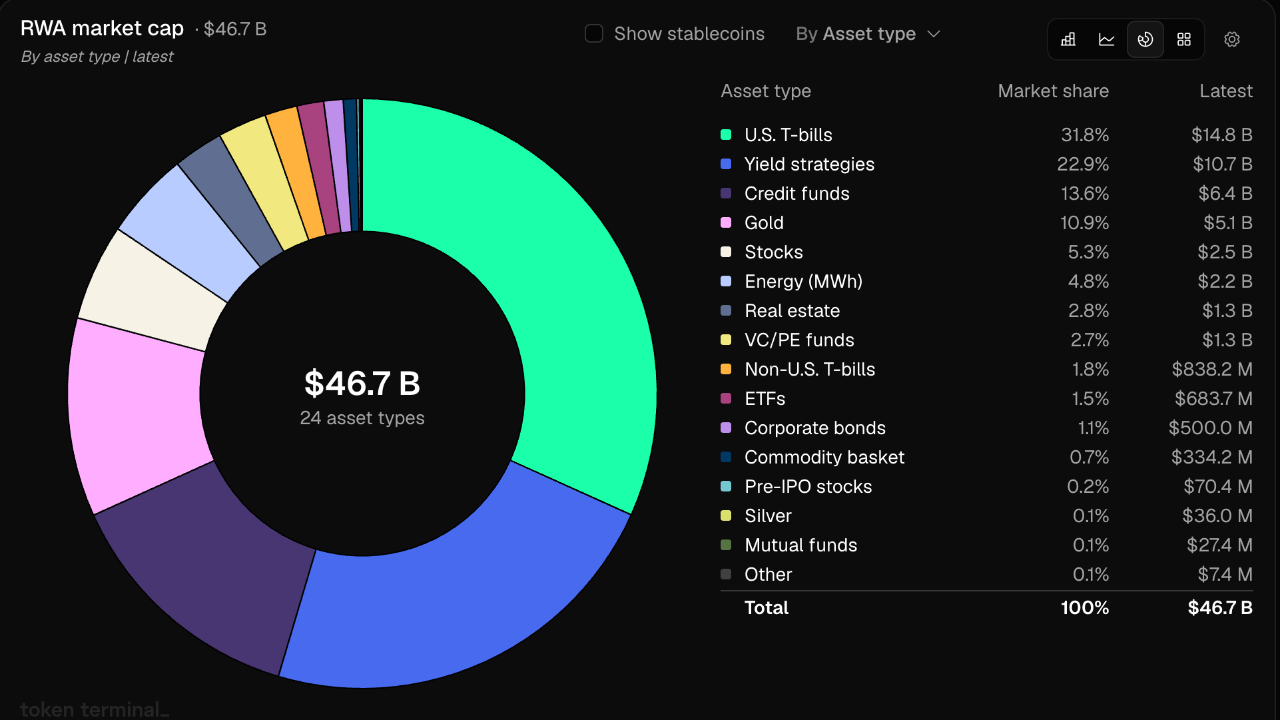
Tokenized RWA market hits $46.7B, Ethereum holds 49.6%
Why it matters: Asset tokenization is entering a phase of on-chain liquidity: $3.6 billion in RWA is already deployed in DeFi, boosting demand for infrastructure and stablecoins.

Backpack Securities launches FLY token on Solana via Sunrise
Why it matters: The new token could revive activity in the Solana ecosystem, but without volume data its market impact remains limited for now.
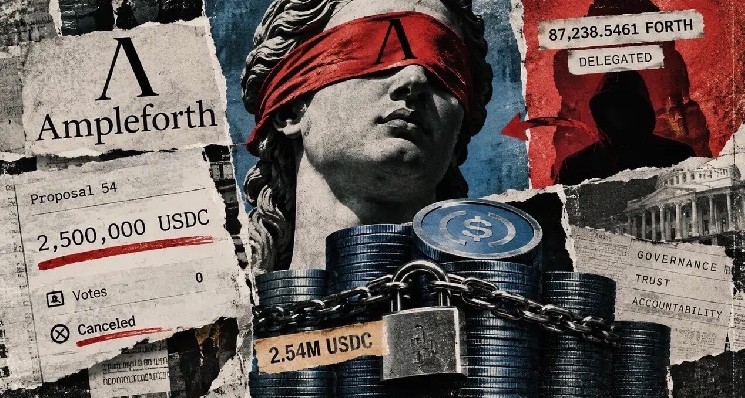
Ampleforth: wallet sought 98% of treasury USDC via Proposal 54
Why it matters: The incident exposes a DeFi governance vulnerability: concentrated vote delegation can push a treasury request through without public discussion.
Algorand launches x402 Challenge with $100K and 500K ALGO prize pool
Why it matters: The contest could accelerate on-chain activity and demand for ALGO as a utility token for micropayments and agentic commerce.

LayerZero sets Dec. 15 deadline for STG-to-ZRO conversion
Why it matters: STG holders need to convert their tokens before the deadline or lose access to the swap permanently.
Dinari brings tokenized US stocks to Bitcoin.com wallet
Why it matters: Tokenizing stocks expands access to the US market through crypto wallets and intensifies competition for on-chain investors.
Africa's largest IPO becomes available on Solana via NectarFi
Why it matters: The case shows that tokenized stocks on Solana attract new investors from outside crypto and expand the RWA market.

DeFi TVL on Ethereum and Solana rises 21-23% in 30 days
Why it matters: TVL growth may reflect asset revaluation rather than fresh inflows, so real DeFi demand needs to be checked against net flows and borrowing.
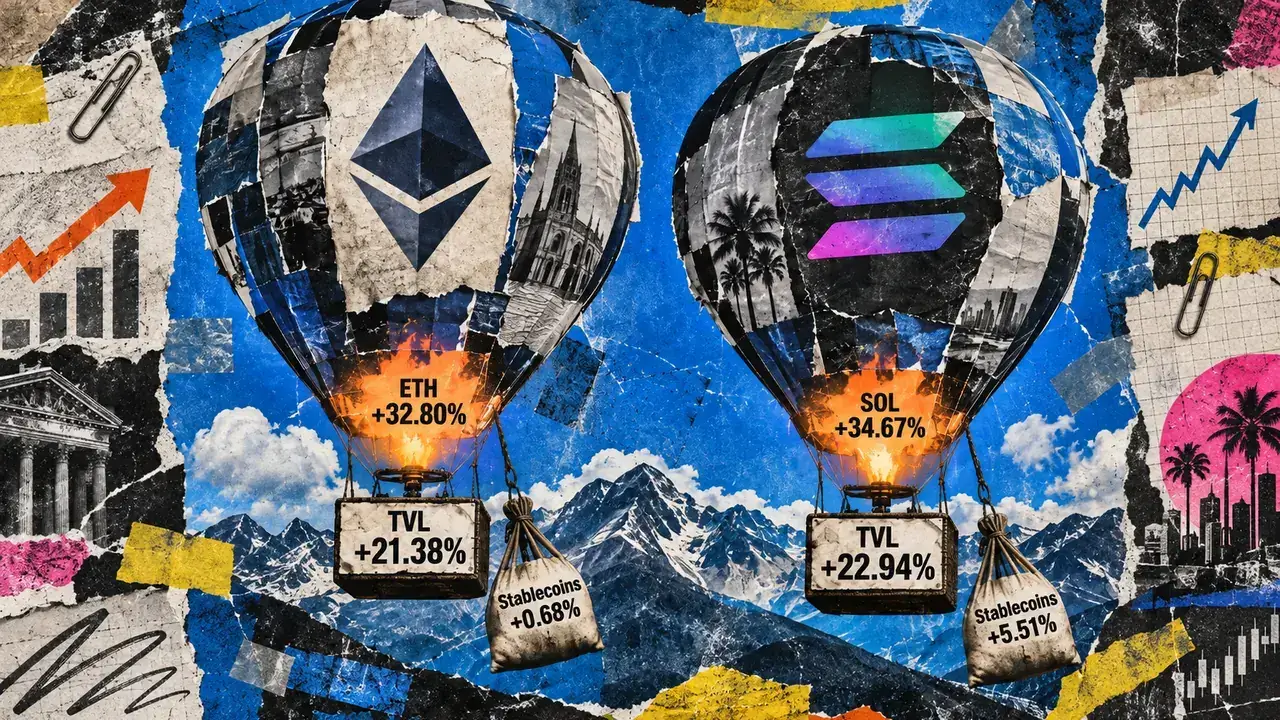
DeFi TVL growth of $20B attributed to asset revaluation, not capital inflows
Why it matters: If TVL growth rests on revaluation rather than new deposits, it is vulnerable to a price reversal and does not confirm sustained liquidity inflows into DeFi.

Solana stablecoin active addresses hit 888K per day, up 269% year over year
Why it matters: Growing stablecoin activity strengthens Solana's position in DeFi and could attract more liquidity and developers.

Bitcoin Core prepares defense against old difficulty adjustment attack
Why it matters: The change improves network resilience to difficulty manipulation, but without consensus cleanup activation the effect is limited.

Hedera launches AI agents to create transactions
Why it matters: Integrating AI into the blockchain could boost activity on the Hedera network, but competition in this segment is growing.

Derive CEO: crypto options market could grow 40-fold
Why it matters: If options grow 40-fold, hedging and yield in the on-chain market will become more accessible, reducing liquidation risks.
USD.AI secures $40M credit line from K3 Capital
Why it matters: It expands on-chain lending collateralized by GPU infrastructure, reducing AI operators' reliance on equity financing.

Fetch.ai unveils three AI agents for autonomous transactions on BNB Chain testnet
Why it matters: The template simplifies the development of multi-agent on-chain scenarios and strengthens BNB Chain's position in the AI agent race.

Avalanche RWA market cap nears all-time high of $1.7B
Why it matters: RWA growth on Avalanche confirms demand for tokenization and could attract institutional capital to the network.

UNI up 91% since August as annualized burn rate tops $250M
Why it matters: UNI's rally is now tied to real fees and burning, but its durability depends on whether Robinhood Chain volume becomes the norm rather than a one-off record.

1inch launches USDC swaps for tokenized Tesla shares on BNB Chain
Why it matters: The growth of tokenized stocks expands crypto traders' access to traditional equities and intensifies competition among networks for this segment.

TheDAO Security Fund launches second ETHSecurity Initiatives round with $600K Vyper grant
Why it matters: The fund finances Ethereum security through staking yield of ~$8 million per year, reducing the risk of vulnerabilities in key protocols.