DeFi, stablecoins and network upgrades

Wallet invested $487 in LONG, BITCOIN and USDC and gained $578K before Arc launch
Why it matters: The hype around Arc's September 16 launch is fueling speculation in ecosystem tokens, although the wallet's connection to the project is unconfirmed.

Blockworks: USD.AI's sUSDai yield at 6.98%, CHIP rating upgraded to neutral
Why it matters: The assessment shows GPU-backed loan yields could exceed 8% as custodial transfers grow, supporting demand for sUSDai and CHIP.
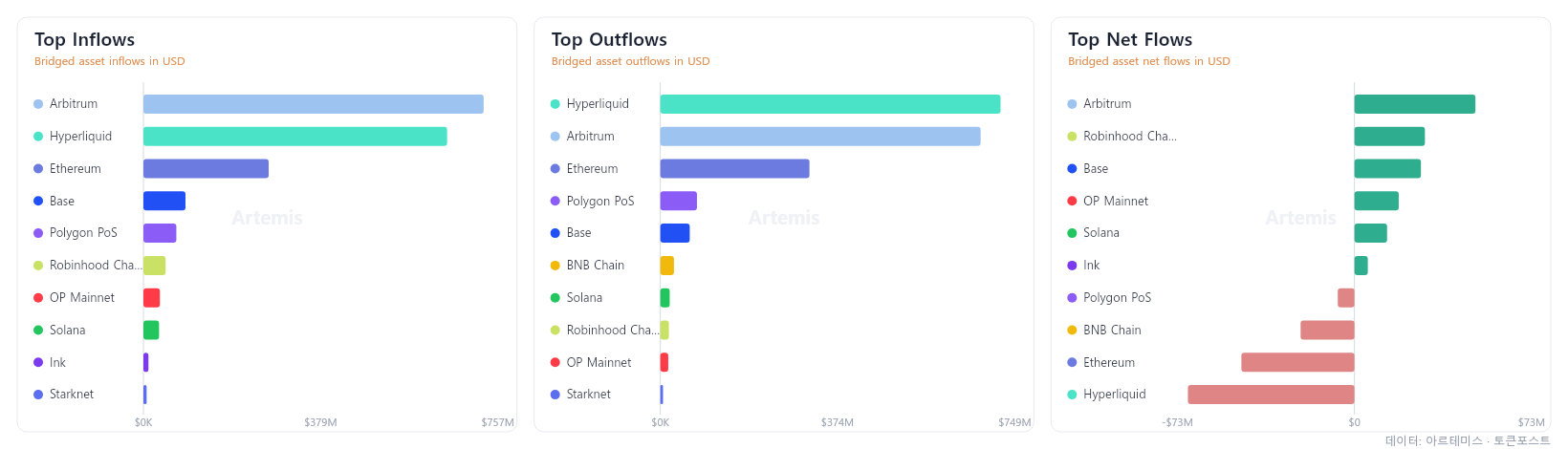
Arbitrum leads with $52.7M net inflow, Hyperliquid loses $72.5M
Why it matters: Capital flowing into Arbitrum and Robinhood Chain points to growing L2 activity, while outflows from Hyperliquid and Ethereum signal shifting preferences.
Circle's Arc mainnet officially launches, OKX Wallet adds support
Why it matters: The launch of Circle's L1 intensifies competition in the payments blockchain segment and expands the use of USDC.

Allium: stablecoin supply reached $303 billion in August
Why it matters: Growth in payments and B2B settlements confirms stablecoins' shift from a speculative instrument to real payment infrastructure.

FastLane launches public testing of onchain aggregator Moose on Monad
Why it matters: The test will show whether onchain routing can reduce slippage and MEV risks on Monad, but real volumes and execution quality are yet to be confirmed.

Injective: RWA perpetual volume hits $215M in 30 days
Why it matters: Growth in synthetic equity and commodity trading on-chain shows the RWA segment shifting from tokenized bonds to active derivatives, boosting network fees and demand for INJ.
AQUA launches Indra for Lightning-Liquid swaps after Boltz attack
Why it matters: Restores non-custodial Lightning payments in AQUA and reduces dependence on a single swap provider.

Ripple targets $13T corporate treasury market with RLUSD stablecoin
Why it matters: Ripple is pushing the stablecoin into traditional corporate settlements, which could intensify competition with USDT and USDC.

Zcash Labs allocates $80K to integrate Ironwood pool into Ledger wallet
Why it matters: The integration will expand hardware storage of ZEC in the new pool, but the timeline and scope of support are not yet confirmed.

Virtuals Protocol launches AI Senate Occupy on Base network
Why it matters: AI governance could change models of user participation in blockchain projects, but there are no concrete metrics or figures yet.

Velodrome to merge with Aerodrome into unified Aero liquidity layer
Why it matters: The consolidation of two major DEX protocols could reshape liquidity distribution across the Ethereum ecosystem.

Filecoin backs Runtime Agent Week in New York, unveils developer tools
Why it matters: Expanding developer tools could strengthen Filecoin's ecosystem amid competition in decentralized storage and AI.
Dragonfly and Uniswap defend Robinhood Chain against critics
Why it matters: The debate over Robinhood Chain's low-fee model matters for assessing L2 sustainability and revenue for Arbitrum and Uniswap.

Dawn Internet launches USD.infra vault on Solana
Why it matters: Tokenizing real cash flows could attract institutional interest and increase activity in the Solana ecosystem.

Grove Basin launches instant stablecoin liquidity for tokenized assets
Why it matters: Instant settlement removes a key barrier for institutions in tokenized Treasury assets and could accelerate growth in the RWA segment.
Zenith joins DTCC tokenization working group
Why it matters: The largest U.S. depository is testing tokenization of stocks and Treasuries on $114 trillion in assets under custody, setting a standard for the institutional RWA market.

Sui launches Hashi testnet to tap idle bitcoin
Why it matters: If Hashi works, some idle bitcoin could flow into Sui's DeFi services, boosting demand for BTC and the Sui ecosystem.
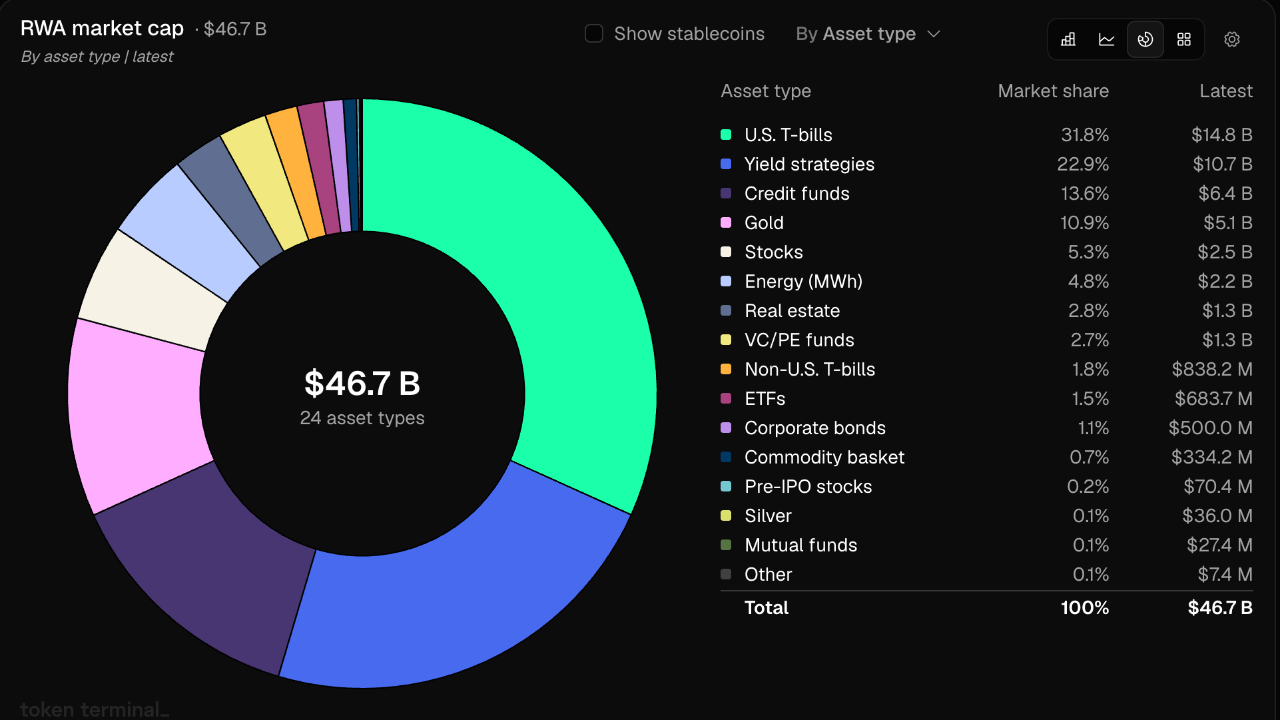
Tokenized RWA market hits $46.7B, Ethereum holds 49.6%
Why it matters: Asset tokenization is entering a phase of on-chain liquidity: $3.6 billion in RWA is already deployed in DeFi, boosting demand for infrastructure and stablecoins.

Backpack Securities launches FLY token on Solana via Sunrise
Why it matters: The new token could revive activity in the Solana ecosystem, but without volume data its market impact remains limited for now.