DeFi, stablecoins and network upgrades
Lightning wallets now survive Bitcoin reorganizations
Why it matters: It reduces the risk of losing funds in Lightning during reorgs, improving the reliability of Bitcoin's second layer.
Average Ethereum network fee falls 87% from April peak to $0.095
Why it matters: Cheaper transactions boost activity on L1 and in DeFi, but reduce fee revenue and the volume of ETH burned.

GMX proposes cross-margin trading and USDG-based LP products
Why it matters: The expanded functionality could bring liquidity and traders back to GMX, but for now it is only a proposal with no implementation timeline.

API3 launches cbXRP/WETH market on Morpho Kabu Vault
Why it matters: The new collateral market could boost liquidity and demand for cbXRP in the XRP DeFi ecosystem.

Across Protocol moves to new entity Across, Inc.; ACX token sunset
Why it matters: The ACX sunset affects token holders and the cross-chain protocol's liquidity, and their decisions will shape the market.

Tokenized Coinbase shares on Base can now be used as DeFi collateral
Why it matters: Tokenized equities are evolving from a speculative instrument into full-fledged DeFi collateral, deepening the link between traditional finance and on-chain lending.
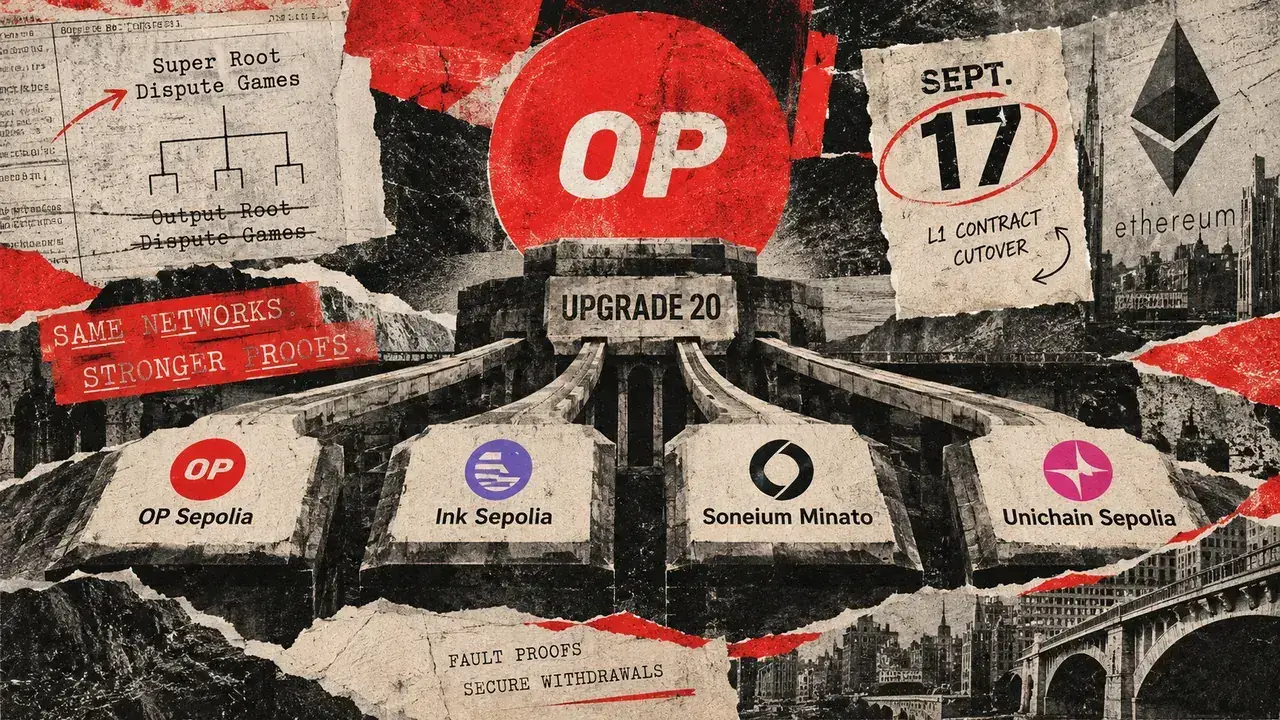
Optimism approves Upgrade 20 with move to Super Root Dispute Games
Why it matters: The transition lays the groundwork for cross-chain Superchain interoperability without needing to change the security layer again.
Coinbase tokenized stocks find DeFi demand on Base: 7.5M tokens deposited
Why it matters: Growing use of tokenized stocks in DeFi on Base strengthens expectations for a native network token launch, affecting trader positioning and prediction markets.

RAY jumps 12% in 24 hours as Raydium revenue hits $3.87M in September
Why it matters: Rising revenue and buybacks support RAY, but weakening spot demand and discrepancies in LaunchLab metrics require confirmation of the trend's sustainability.

Solana approves doubling of inflation reduction: JitoSOL vote proves decisive
Why it matters: Lower emissions squeeze staking providers' and exchanges' revenues, while the network's revenue decline intensifies competition with Robinhood Chain for tokenized assets.
David Schwartz's XRP Ledger hub becomes more stable: over 500 peers
Why it matters: The stability of hub servers affects the reliability of data propagation on the XRP Ledger network, but there are no specific causes or consequences yet.

Uniswap Unveils Permissioned Pools for DeFi Compliance
Why it matters: If institutions adopt the mechanism, it could accelerate the inflow of regulated capital into DeFi and set a compliance standard for DEXs.

StablecoinX to Lift 48-Month ENA Lock-Up on October 5
Why it matters: Removing the lock-up on 20% of ENA supply raises the risk of seller pressure, though foundation consent and notice requirements limit a sharp dump.

Paradigm: Coin Voting Could Undermine Trust in Zcash as a Monetary Asset
Why it matters: The dispute over Zcash's governance mechanism could affect investor confidence in ZEC and the sustainability of its rally.

Curve integrates with Circle's Arc network for stablecoins
Why it matters: It strengthens Circle's stablecoin infrastructure and expands Curve's capabilities in DeFi, attracting institutional interest.

Intercepta brings compliance tools to private Canton network
Why it matters: Private institutional networks require built-in compliance, and such solutions could accelerate banks' access to blockchain infrastructure.
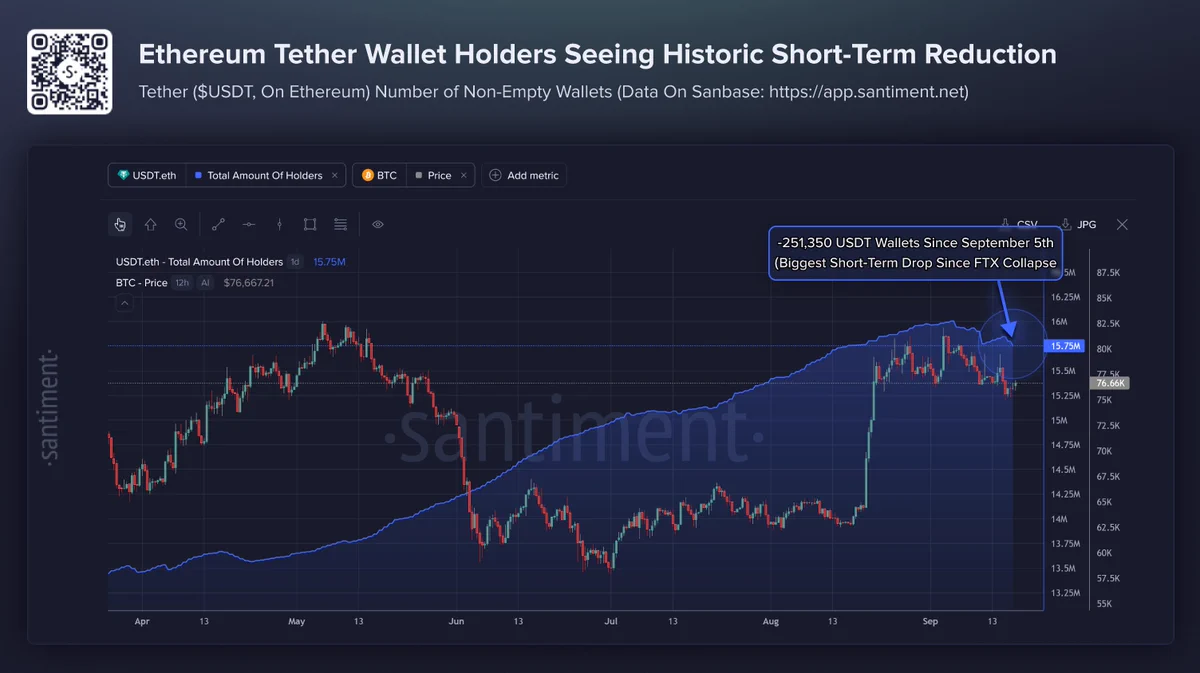
USDT wallets on Ethereum drop by 251K in 11 days
Why it matters: A sharp contraction in the wallet base could indicate a shift in USDT holders' behavior and a flow of activity to other networks.

Ducat integrates with TRON for USDT settlements via Bitcoin-backed token
Why it matters: A Bitcoin-backed stablecoin gains access to the largest USDT pool on TRON, expanding liquidity for BTC holders.

Stellar Activates Protocol 28 Amid Record TPS and RWA Growth
Why it matters: The upgrade simplifies the migration of smart contracts and data, which is critical as tokenized assets grow on the network.

EURC Launches on Arc With $7 Million Market Cap
Why it matters: It expands the supply of regulated stablecoins on the Arc network and could attract new users and liquidity.