DeFi, stablecoins and network upgrades

Memecoins on Circle's Arc network fall 40–75% after mainnet presentation
Why it matters: It shows how reputational signals and low memecoin liquidity can trigger sharp sell-offs in new ecosystems.
Uniswap: 80% of Robinhood tokenized stock volume goes through protocol, total $10B
Why it matters: Uniswap's growing share in tokenized stocks strengthens the position of DEXs in the RWA and tokenization of traditional finance assets segment.

XRPL 3.4.0 adds private vaults with XRP lockups from one minute to 30 years
Why it matters: Activation depends on validator voting; demand for XRP will only emerge if applications choose it as the asset for lending pools.
Neutrl opens NUSD and sNUSD redemption at a fixed rate through November 14
Why it matters: The fixed redemption rate reduces risk for NUSD and sNUSD holders, but actual payouts depend on the reserve being sufficient.
Four New Addresses Buy 6,972 ETH for $17.15M, Deposit All Into Lido
Why it matters: A large one-off ETH inflow into Lido reduces circulating supply and supports staking demand.
Zcash Opens Q3 Retroactive Grants Vote With 37 Proposals
Why it matters: The distribution of Zcash treasury funds affects ecosystem financing and ZEC holder activity.

Stablecoin market cap holds near $311.2B as Plasma gains 13%
Why it matters: Growth in on-chain transfers and active addresses points to expanding real-world use of stablecoins even as their market cap stagnates.
Weekly DEX volume falls 3.24% to $62.39 billion
Why it matters: The decline in DEX volumes signals weakening trading activity in the on-chain segment amid a broader market correction.

Bitcoin credit market grows to $16B in two years
Why it matters: Growth in BTC-backed lending expands demand for bitcoin as collateral, but carries liquidation and excessive leverage risks.
Heirs of Ondo Finance founder fight for control of company and ONDO tokens
Why it matters: The fight for control and a large ONDO stake creates uncertainty for the protocol's governance and token holders.
XRP Ledger releases version 3.4.0 with Lending Protocol v1.1
Why it matters: Expanding XRPL's lending functionality could attract institutional borrowing to the network, but only after validator voting.
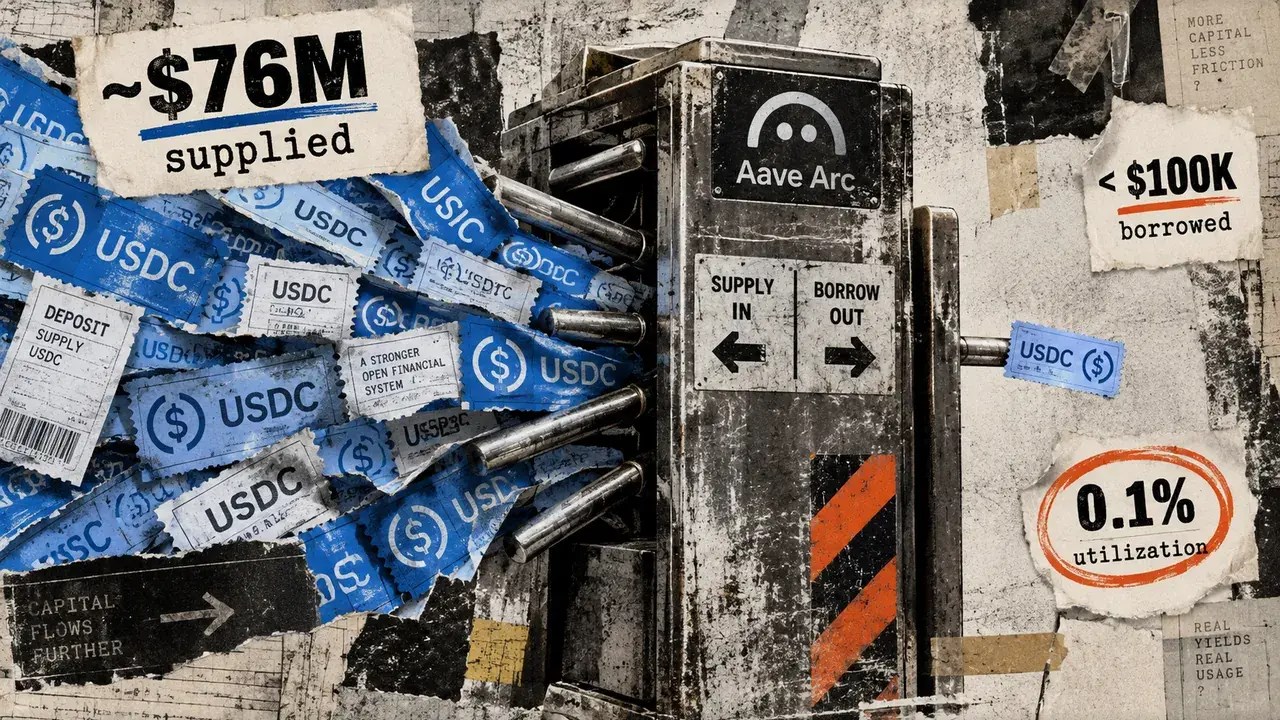
Aave V4 on Arc: $76M USDC supplied, loans under $100K
Why it matters: The higher cap will expand supply, but real adoption will only be shown by sustained growth in loans and rates; otherwise Arc will remain a pool of idle liquidity.

Hyperliquid: cumulative HYPE buyback and burn exceeds $1.3 billion
Why it matters: The fee-funded buyback mechanism links exchange activity to HYPE supply, influencing how holders value the token.

Jupiter adds INJ swaps for SOL and SPL tokens on Solana
Why it matters: It expands access to INJ for Solana users and strengthens Injective's cross-chain infrastructure without wrapped tokens.
Zest Protocol launches leveraged bitcoin staking vault on Stacks
Why it matters: The product expands ways to earn yield on bitcoin in DeFi, but leverage raises risks for holders.
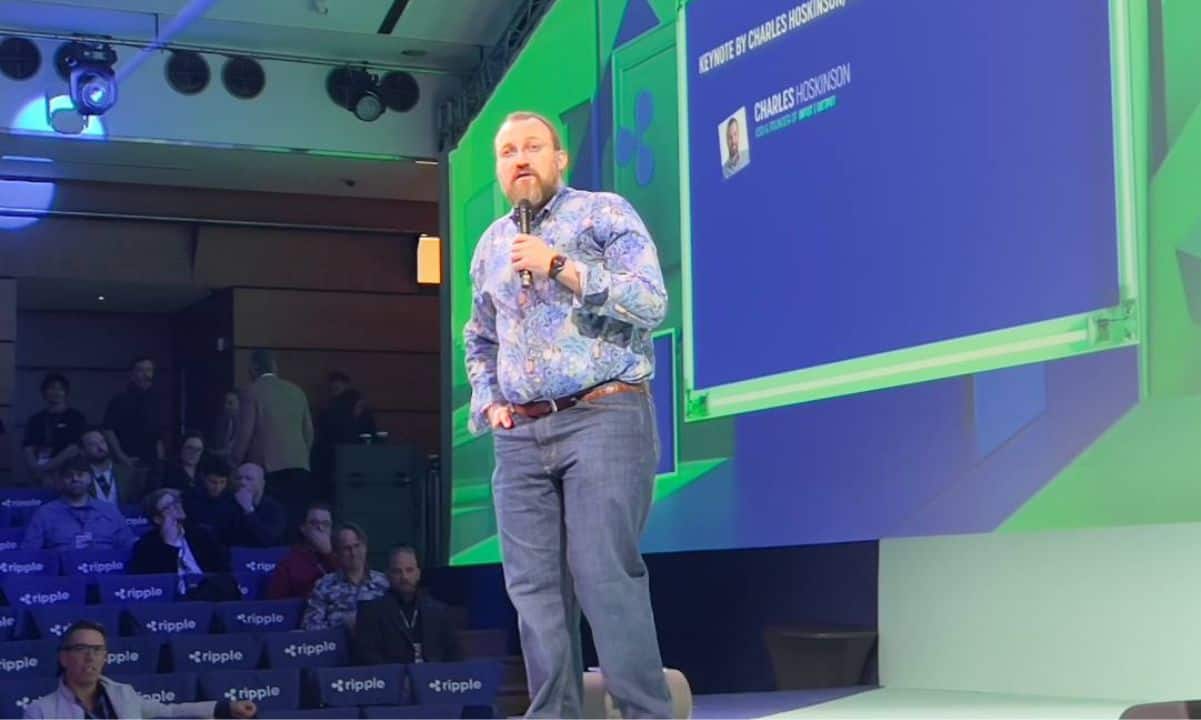
Hoskinson: crypto will 'eat' AI amid data center bubble
Why it matters: A signal of a possible AI boom downturn and rising demand for decentralized computing; the CLARITY Act delay prolongs regulatory uncertainty in the U.S.

USDC's share on Solana falls to 44% as rival stablecoins grow
Why it matters: The growth of rival stablecoins reduces Solana's reliance on USDC but increases liquidity fragmentation and counterparty risks.
Lightning wallets now survive Bitcoin reorganizations
Why it matters: It reduces the risk of losing funds in Lightning during reorgs, improving the reliability of Bitcoin's second layer.
Average Ethereum network fee falls 87% from April peak to $0.095
Why it matters: Cheaper transactions boost activity on L1 and in DeFi, but reduce fee revenue and the volume of ETH burned.

GMX proposes cross-margin trading and USDG-based LP products
Why it matters: The expanded functionality could bring liquidity and traders back to GMX, but for now it is only a proposal with no implementation timeline.