Crypto news today
One in five European crypto firms is a bank
Why it matters: The growing share of banks under MiCA deepens institutionalization of Europe's crypto market and intensifies competition with crypto-native firms.

Pepe Unchained announces MEXC delisting and development delays
Why it matters: The MEXC delisting reduces PEPU liquidity, while the compensation deadline creates a risk of token loss for holders.
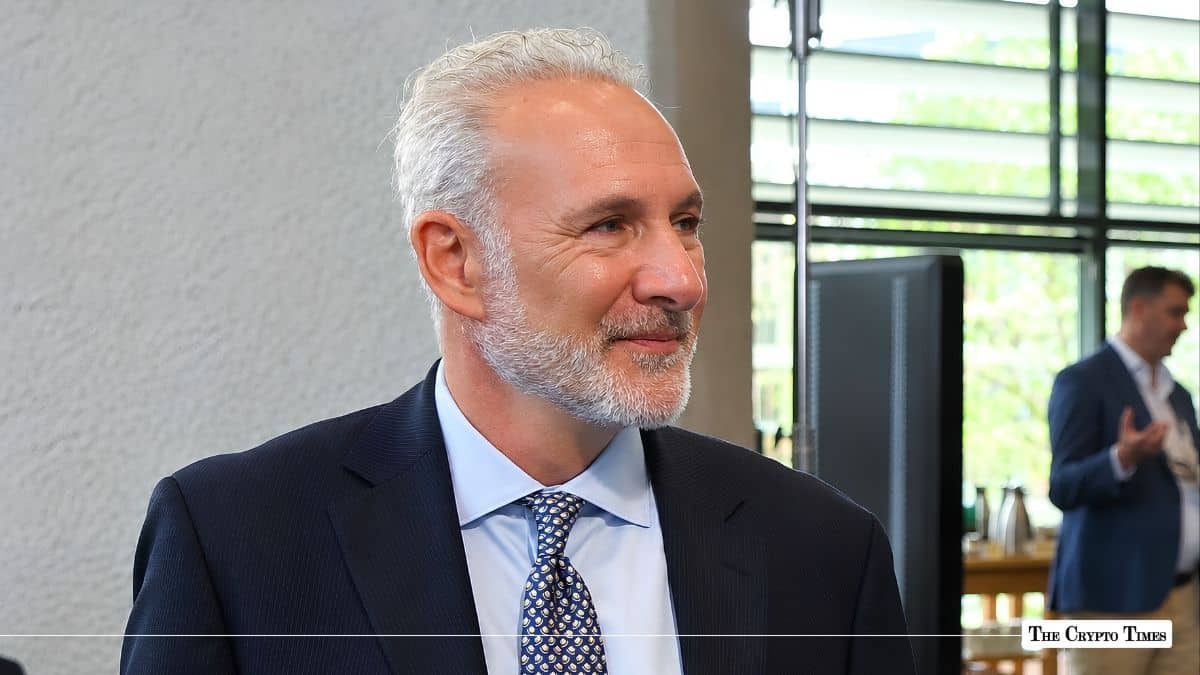
Peter Schiff calls bitcoin's rally after SEC tokenized-shares move illogical
Why it matters: The debate over tokenized shares intensifies competition for capital between bitcoin and tokenized securities amid SEC easing.
$294M liquidated across crypto in 24 hours, 78% in shorts
Why it matters: The dominance of short liquidations points to a sharp price rise and a possible short squeeze that is supporting market momentum.

Chainalysis: Malware Operators Use Blockchains as 'Dead Drops'
Why it matters: The growth of such schemes complicates the fight against crypto fraud and raises risks for wallet users.

Bottomline Launches Global Pay Connect With Chainlink Integration to Link Banks to Blockchain
Why it matters: A commercial channel is emerging to connect hundreds of banks to blockchain, strengthening institutional demand for Chainlink infrastructure and the LINK token.

Henley & Partners: 135,694 Crypto Millionaires Worldwide, 92,272 of Them Hold Bitcoin
Why it matters: The number of crypto millionaires and holders is growing even during a correction, indicating an expanding base of long-term investors.

Traders Put Odds of an October Fed Rate Hike at 54–57%
Why it matters: Fed tightening weighs on risk assets, but in 2026 the crypto market has repeatedly ignored rate hikes, reacting instead to regulatory news.

REQ Jumps 16.29% in an Hour to $0.0614
Why it matters: REQ's rise reflects capital rotation into altcoins amid bitcoin and Ethereum consolidation.

European Commission Extends MiCA Review Consultation to September 30
Why it matters: The consultation's outcome will determine whether staking and DeFi services will be licensed in the EU, directly affecting providers and their clients.

Hoskinson: Blockchain Will Absorb AI, and the CLARITY Act Won't Pass Until 2029
Why it matters: A signal of a long pause in US crypto regulation and a bet on blockchain converging with AI infrastructure.

Bitcoin Reserves on Binance Hit 2026 High of 702,900 BTC
Why it matters: Rising exchange reserves increase potential sell-side supply — buyers need to absorb it for a sustained rally.

Circle launches Arc mainnet with payment agent and managed x402 access
Why it matters: Managed agent wallets could accelerate institutional adoption of USDC in payments by setting a standard for controlling AI agent spending.
Jito Labs: banks can operate on public blockchains without licenses
Why it matters: Removing the barrier for banks on public networks could accelerate institutional inflows into DeFi and stablecoins.
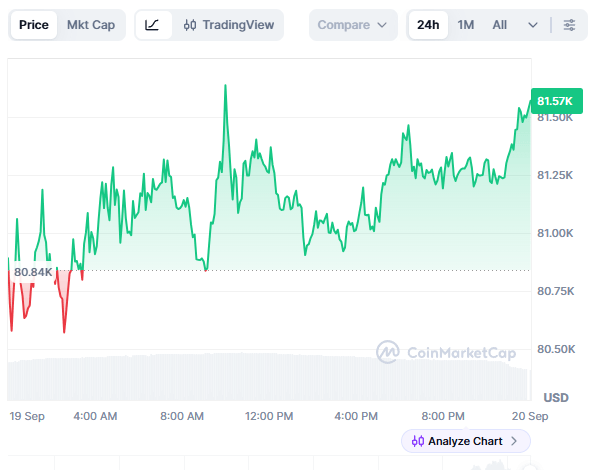
Bitcoin at $81,570, Ethereum at $2,639 as market turns mixed
Why it matters: Falling derivatives volume and BTC's declining share point to capital rotating into altcoins and trader caution.
Poland's tax authority begins probing crypto investors using foreign data
Why it matters: Tighter tax scrutiny in Poland could push crypto investors to declare income and affect capital outflows from local venues.

CryptoQuant: $83,000-$86,000 zone is critical resistance for bitcoin
Why it matters: A break above $83,000-$86,000 would open the way for the rally to continue, while losing $76,000-$78,000 would cancel the current rebound.
Bitcoin rebounds 9.15% to $81,502 as short-term holders take profit
Why it matters: A break above $82,322 would open the path to $90,000, while a rejection would send BTC back to $76,350-$73,280.

Fade launches token issuance on Pons with 80% of fees paid via X Money
Why it matters: The scheme links token trading fees to X accounts and creates steady demand for PAID through buybacks funded by fees.

Morgan Stanley's MSBT: 20 days without outflows, $51.5 million in BTC bought
Why it matters: Continuous inflows into Morgan Stanley's fund signal sustained institutional demand for BTC above $81,000.