Crypto news today
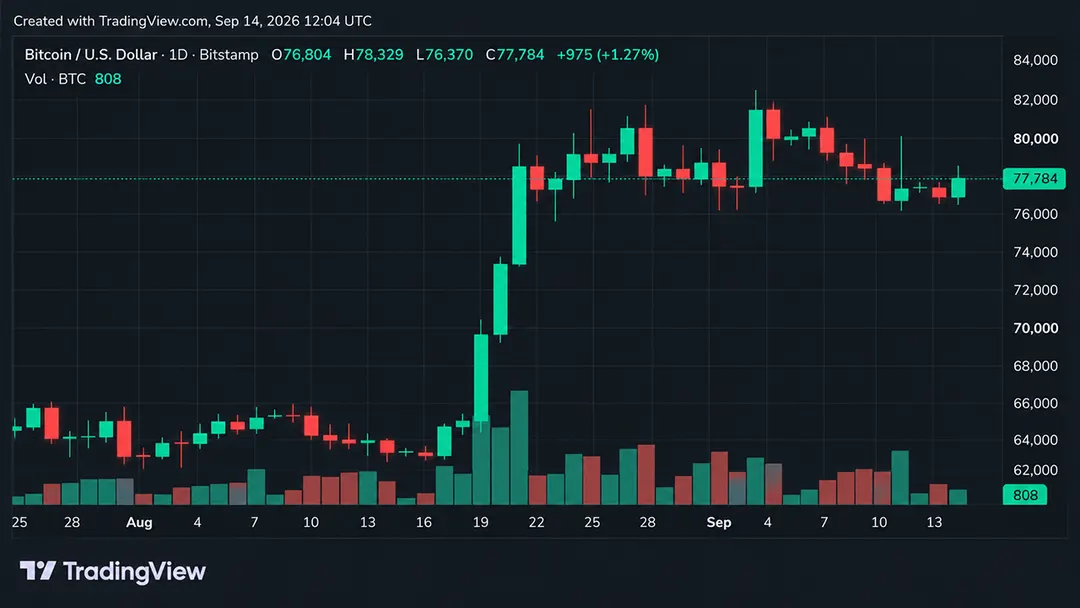
Bitcoin rebounds from $76,370 to $77,800, but $79,000 ceiling holds
Why it matters: Bitcoin is locked in a $76,000–82,000 range: a break above $79,000 or a loss of $76,000 will set the direction.
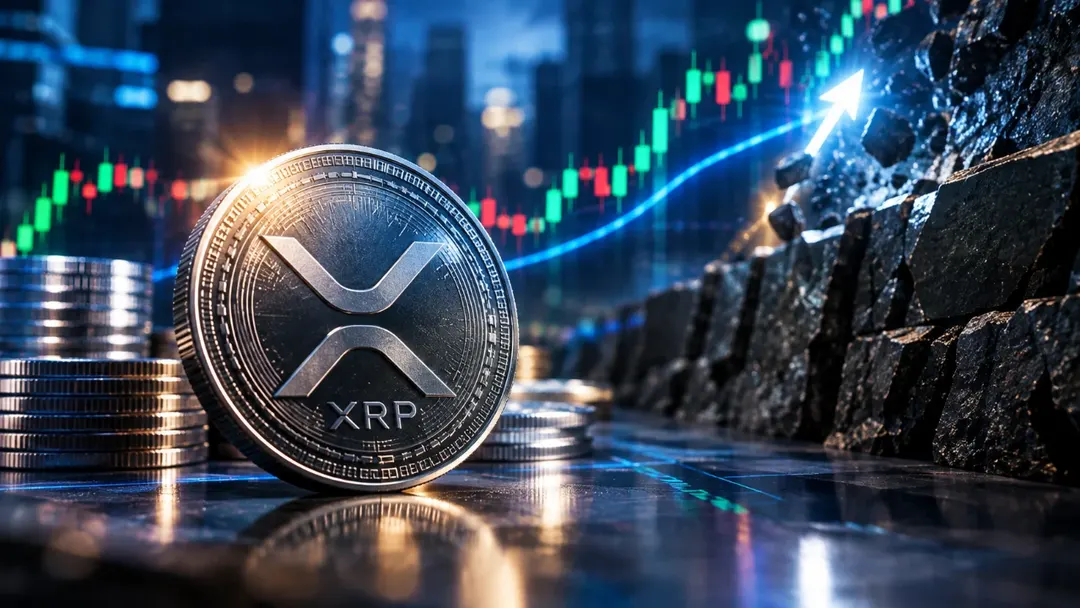
XRP holds above $1.30, awaits break of $1.40–1.45 resistance
Why it matters: Holding $1.30 preserves XRP's bullish structure, but without rising volumes a resistance break is unlikely.
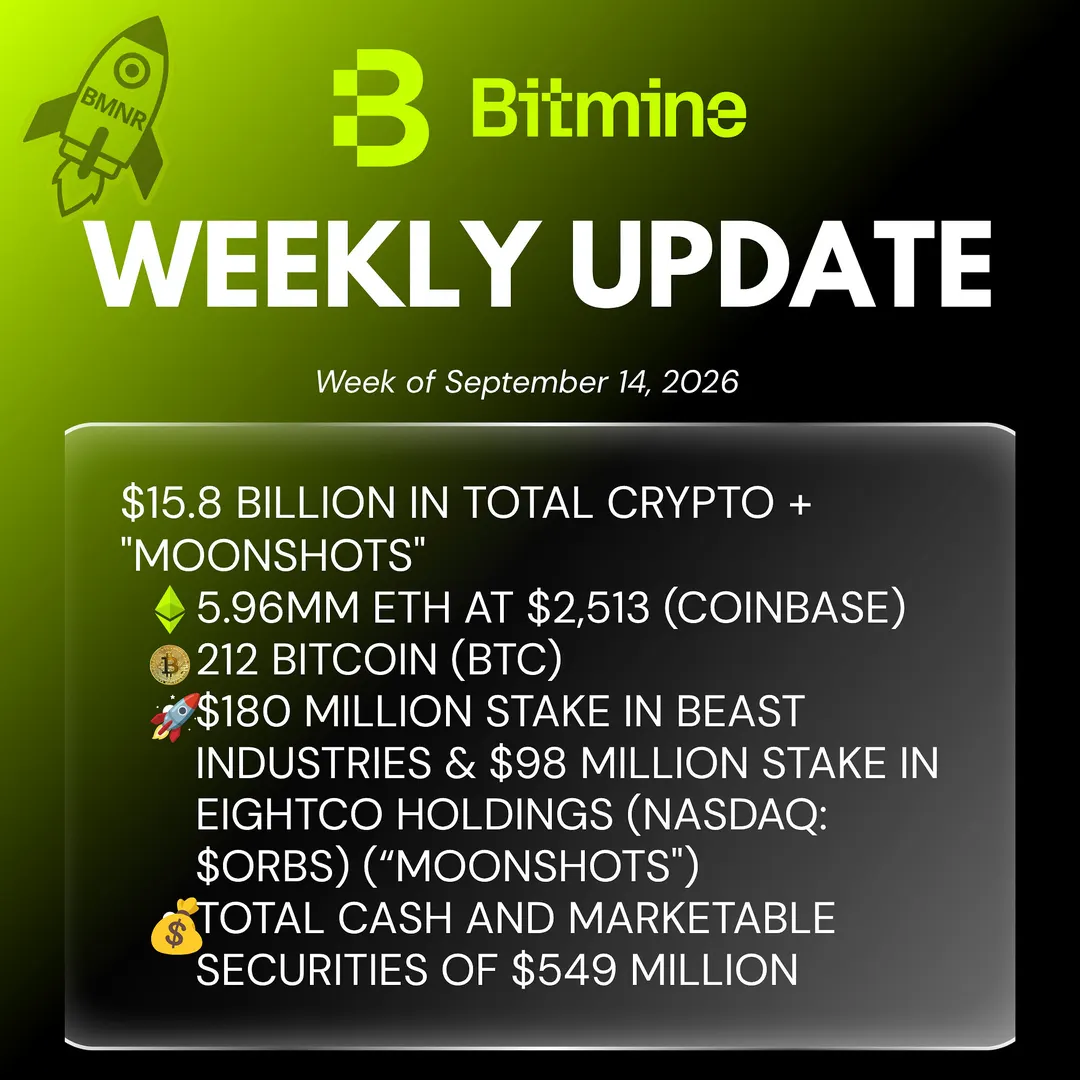
Bitmine raises ETH reserves to 5.96M tokens, assets at $15.8B
Why it matters: The largest corporate holder of ETH keeps increasing its share, reducing free supply and supporting the asset's price.

Linea joins restructured Consensys for institutional market
Why it matters: Institutional capital could flow into Ethereum through a regulated L2, boosting demand for ETH and Linea's deflationary model.
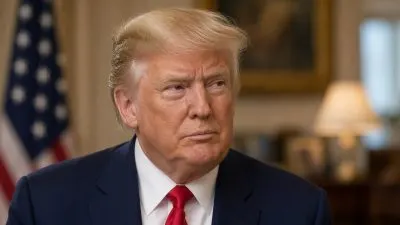
Trump backs CLARITY Act as banks lobby against stablecoin rules
Why it matters: The outcome of the vote will determine who regulates the spot crypto market — the SEC or the CFTC — and the fate of yield-bearing stablecoins.
BitGo and Crossover Markets top $2B in clearing volume
Why it matters: Rising clearing volumes point to a strengthening institutional infrastructure for the crypto market.

Tokenized equities market hits $3.19B, ONDO at $0.358
Why it matters: Tokenization growth is drawing in institutions, but weak on-chain activity and token unlocks weigh on ONDO; the key trigger is the vote on fee distribution.

EU Cyber Resilience Act reporting rules take effect
Why it matters: Manufacturers of crypto wallets and software in the EU may face new vulnerability notification duties, increasing the regulatory burden.
Bitdeer signs 10-year Malaysia AI cloud deal worth $1.1B a year
Why it matters: Miner BTDR is shifting into AI infrastructure, which could serve as a benchmark for other Bitcoin miners seeking new revenue sources.
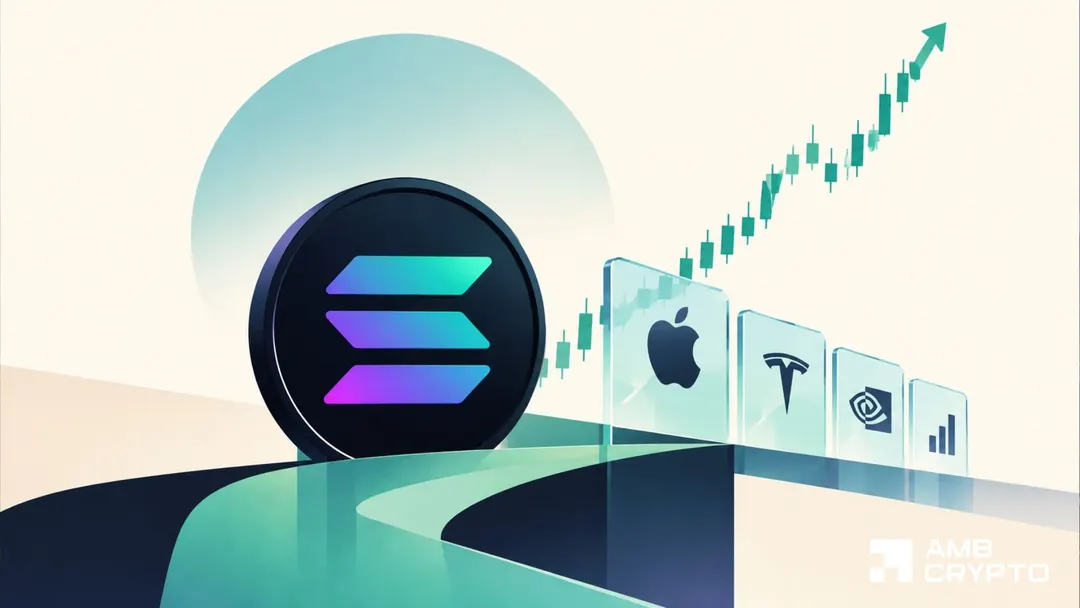
Tokenized stock trading volume on Solana tops $200M
Why it matters: Growth in on-chain equity trading strengthens Solana's role in tokenizing traditional assets and could support demand for SOL.
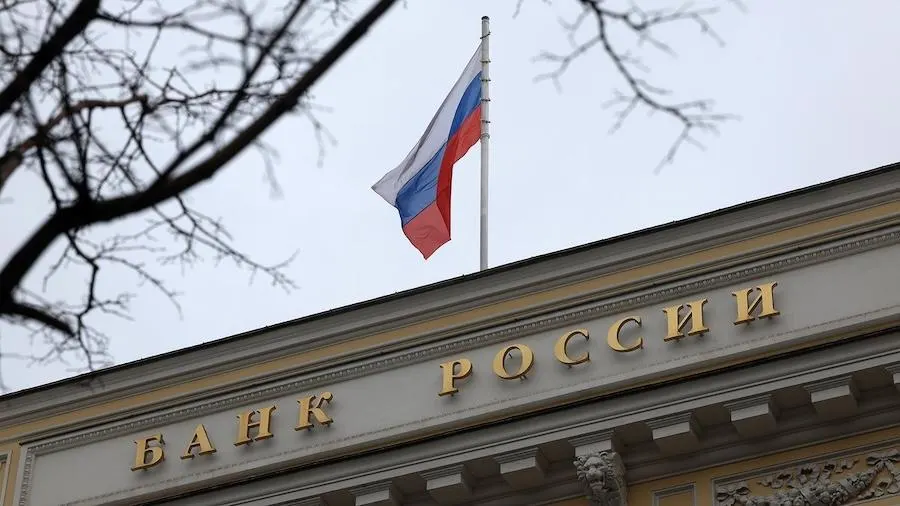
Bank of Russia adds cryptocurrencies to financial market risk list
Why it matters: Tighter controls and criminal liability for illegal crypto circulation in Russia reduce market accessibility for users and exchanges.
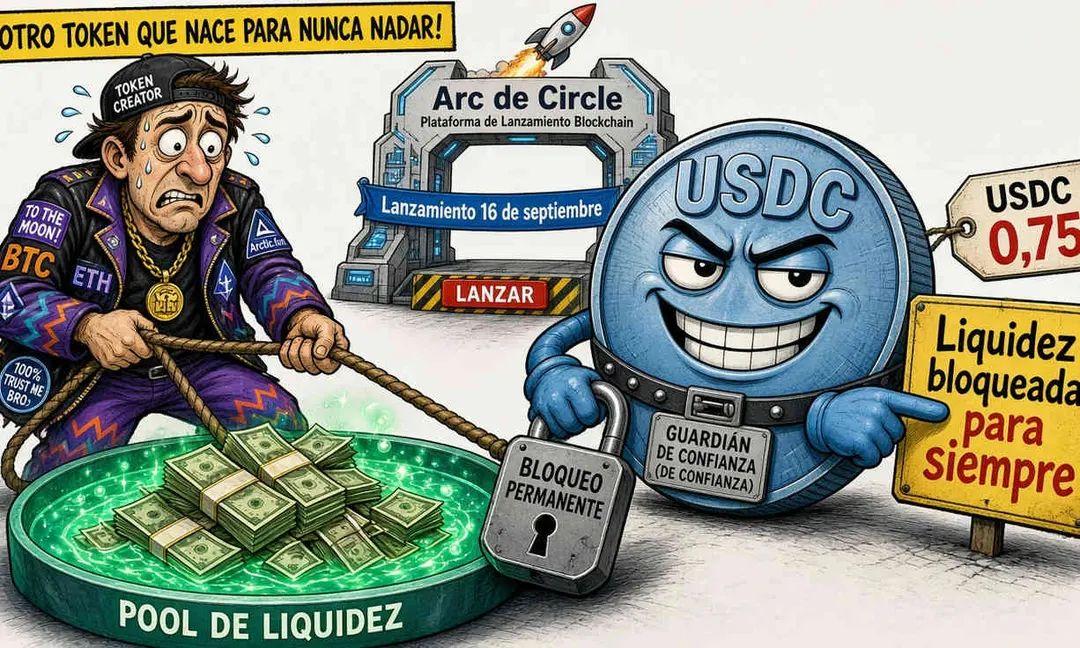
Arctic launches Arctic.fun launchpad in USDC on Circle's Arc mainnet
Why it matters: A USDC-based launchpad could reduce rug-pull risks and attract retail users to the Arc ecosystem, but details of the ARCTIC token have not been disclosed.

Dogecoin ETFs flop: $12M in 10 months versus $3B for XRP and Solana
Why it matters: The failure of DOGE ETFs shows that demand for altcoin funds depends on the institutional case rather than the token's retail popularity.

Binance proposes serving AI agents as a new exchange client class
Why it matters: Exchanges are laying infrastructure for machine trading, but responsibility for agents' trades remains with account owners, and KYC/AML rules do not yet cover such bots.
USDC Treasury mints 250M USDC on Solana
Why it matters: Rising USDC issuance on Solana points to stronger demand for the stablecoin on the network and an inflow of liquidity.
JPMorgan cuts MARA Holdings to Underweight, shares fall 5.7%
Why it matters: Pressure on miner stocks reflects the weak economics of BTC mining and the risks of capital-intensive models amid low bitcoin prices.
Strive buys 469 BTC, taking its reserve to 25,000 bitcoins
Why it matters: Corporate BTC reserves keep growing, supporting bitcoin demand from public companies.
Strategy repurchases $139M of STRC, keeps 845,050 BTC
Why it matters: Strategy remains the largest corporate holder of BTC, and repurchasing STRC instead of buying coins signals a shift in capital management priorities.
XRP holds $1.30 support, bulls target $1.50 after August rally
Why it matters: Holding $1.30 keeps the chances of a continued rally toward $1.50 alive, while a break of support would open the way down.
XRP shorts worth $9.46M face liquidation ahead of CLARITY Act vote
Why it matters: The outcome of the CLARITY Act vote will be a binary trigger for XRP, with the Fed meeting that follows promising sharp volatility.