Crypto news today
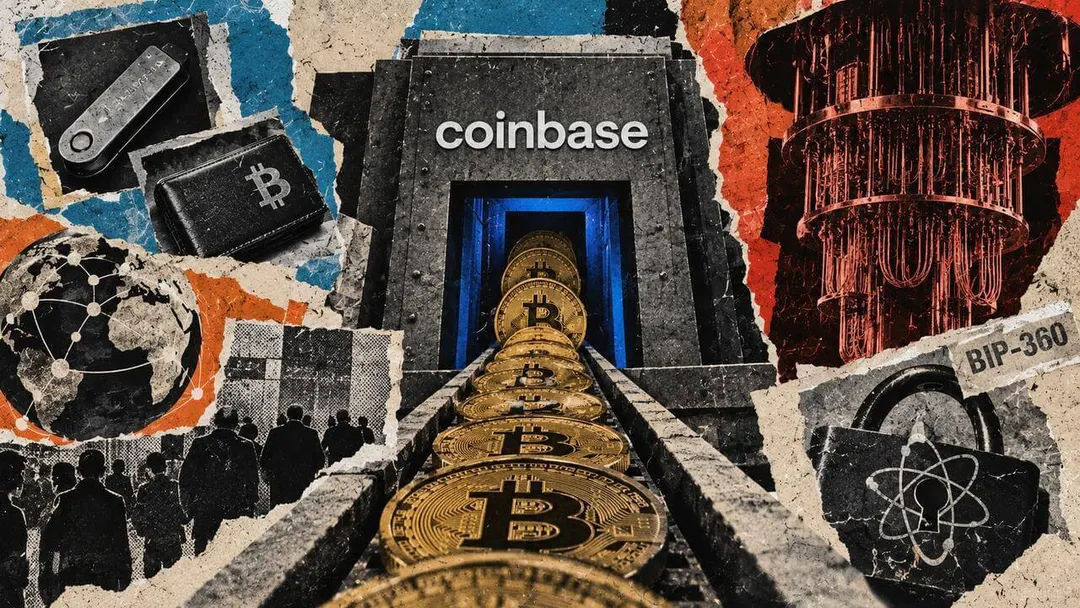
Coinbase: exchanges can cut quantum risks before network upgrade
Why it matters: The quantum threat is not yet active, but exchanges and custodians will have to change key and address management in advance.

Catamarca government completes Polkadot blockchain training
Why it matters: An example of blockchain adoption in public administration could accelerate public-sector uptake of the technology and boost interest in Polkadot.
Huma Finance's PST token hits $322M market cap on Solana
Why it matters: PST's growth shows institutional demand for tokenized credit and yield-bearing assets in DeFi, strengthening Solana's position as a base for RWAs.

IOTA up 35% in a month on Argentina transplant system adoption
Why it matters: Real government deployments in a G20 economy could strengthen IOTA's narrative as infrastructure for trade and public services rather than a DeFi network.
Upbit delists JasmyCoin, Storj and ThunderCore
Why it matters: The Upbit delisting strips JASMY, STORJ and TT of liquidity on one of the largest markets and raises the risk of further price declines.

Coinbase defends tokenized stocks as real shares but blocks US investors
Why it matters: The model sets a standard for tokenized stocks, but legal restrictions and criticism from Galaxy Research highlight the gap between marketing and actual holder rights.

DBS and Citi complete cross-border tokenized deposit payment on a weekend
Why it matters: Tokenized deposits could enable round-the-clock payments, but require solving final settlement and weekend liquidity issues.

SHIB: exchange inflows up 207%, outflows up 256%
Why it matters: Rising two-way flows with a slightly negative net inflow point to a fragile balance: weakening demand could increase pressure on support.
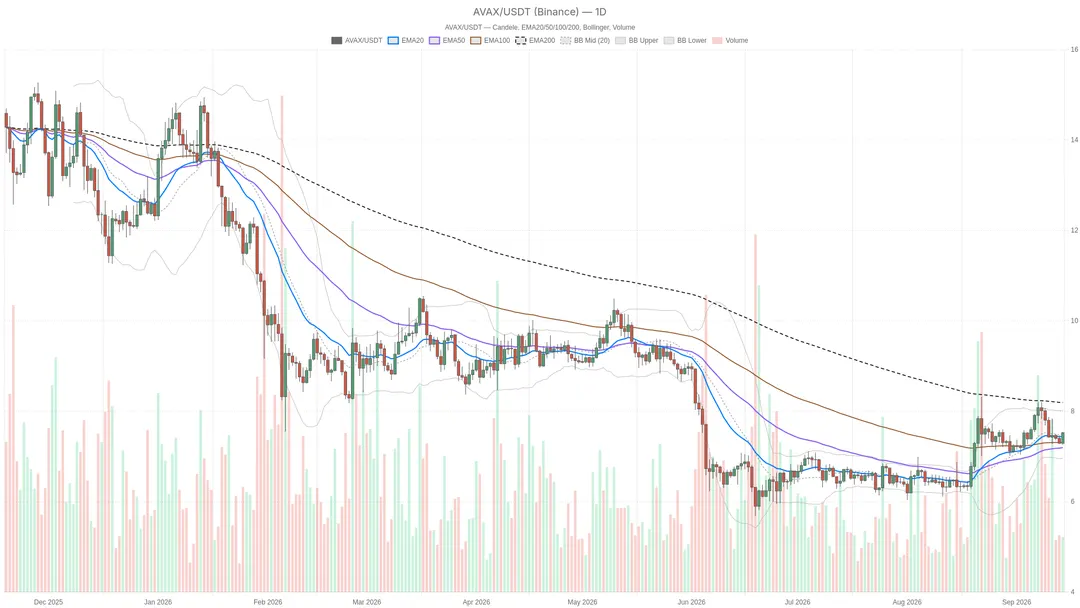
Avalanche DEX fees jump 208%, AVAX stuck below $8.19
Why it matters: Rising on-chain activity while AVAX trades sideways could signal demand accumulation, but a break above $8.19 is needed for a trend change.

Wyoming moves FRNT stablecoin cross-chain infrastructure from LayerZero to Chainlink CCIP
Why it matters: The incident undermines trust in LayerZero as a cross-chain provider and strengthens Chainlink CCIP's position in the interoperability segment.

MSBT attracts $3.76M as US spot Bitcoin ETFs see $13.29M outflow
Why it matters: The inflow into MSBT does not mean direct Bitcoin purchases by Morgan Stanley — it is merely movement of funds within an ETF product.
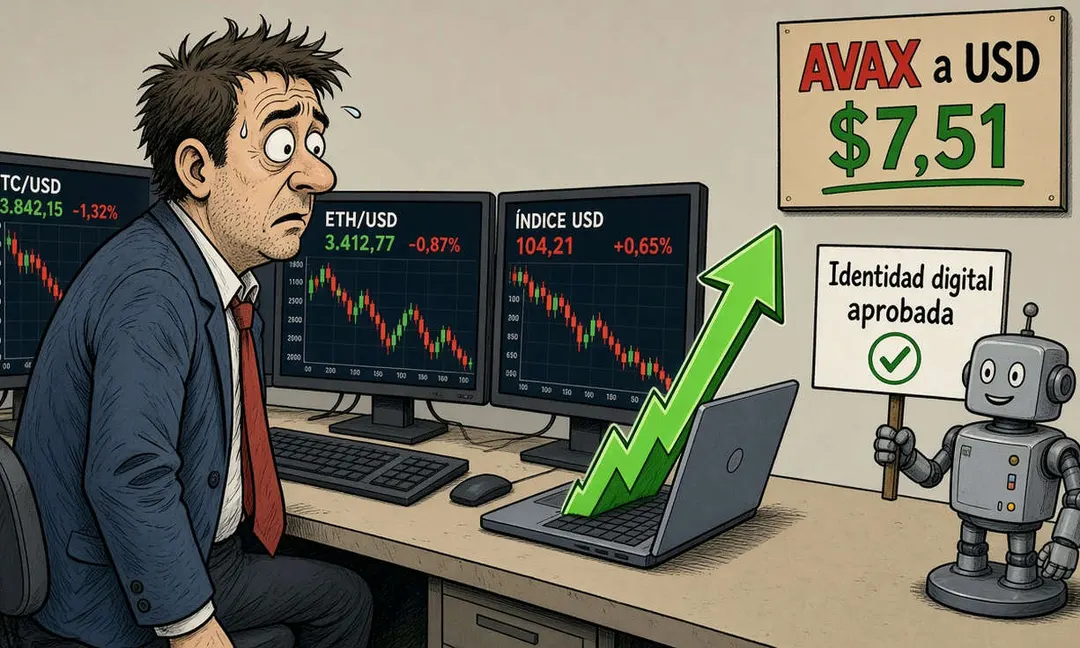
AVAX at $7.51 amid claims UAE will use its network for digital identity
Why it matters: Government adoption gives AVAX real network demand, but weak volume and a bearish MACD do not confirm a trend reversal.
Bitcoin loses ETF support, but technical signal points to expansion phase
Why it matters: Weakening ETF flows could limit gains, but the improving technical picture offers a chance of a reversal.

Fondsbörse Deutschland and Gubbi launch crypto securities trading
Why it matters: Germany's regulated infrastructure is expanding distribution channels for digital securities, which could improve their liquidity.
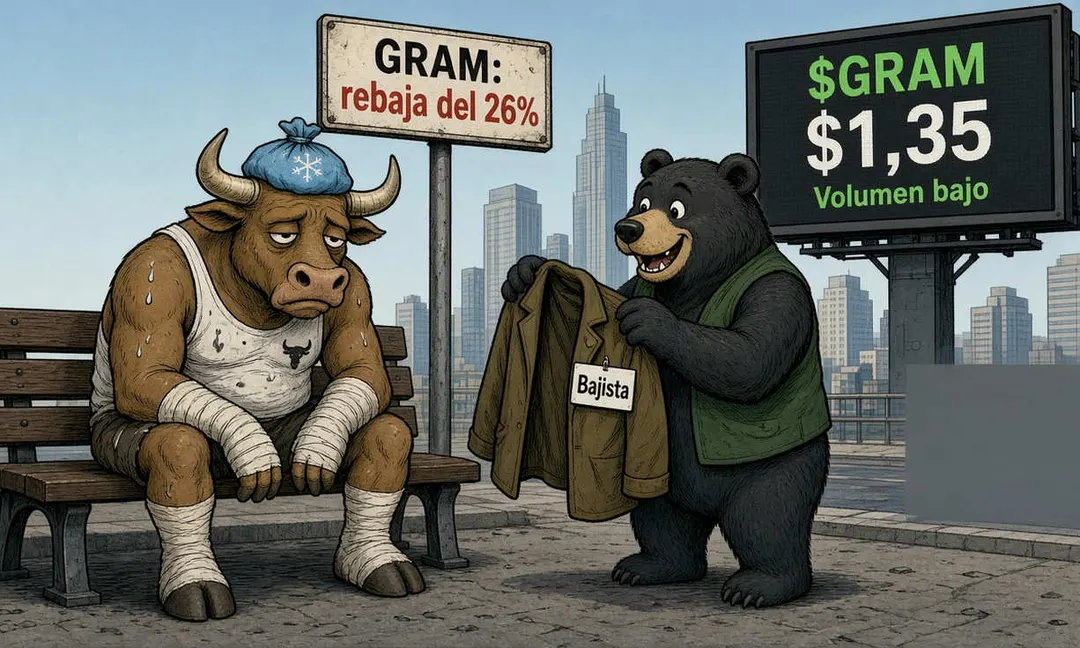
GRAM falls to $1.35, correction from peak reaches 26%
Why it matters: Compressed volatility and falling volume point to a possible strong breakout — up toward $1.47 or down below $1.29.

BCH drops 13.5% in a week and tests $220 support
Why it matters: Weakening volume and the loss of moving averages point to a risk of further BCH declines if the $220 support fails.
Zoth launches zPayments on Base targeting $6B in stablecoin payouts
Why it matters: Expanding stablecoin payments on Base intensifies competition with traditional money transfers and boosts utility demand for USDC.
Blockworks releases fifth batch of B-1 filings, total reaches 161 disclosures
Why it matters: A voluntary token disclosure standard could become an industry alternative to SEC regulation and reduce information asymmetry for institutions.
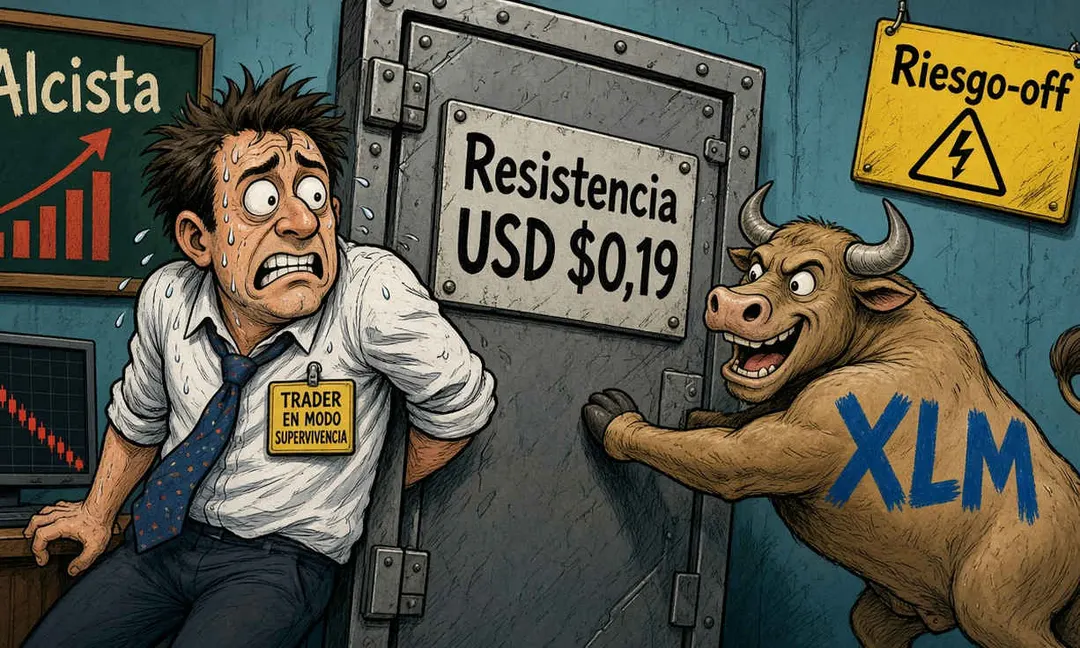
XLM rises 7.79% to $0.1939, breaking through $0.19 resistance
Why it matters: Gains against a risk-off market point to local demand, but the break above the upper Bollinger Band threatens a short-term pullback.

AI chip stocks fall, Brent crude above $108, bitcoin braces for volatility
Why it matters: Rising oil amplifies inflationary pressure and expectations of Fed tightening, weighing on risk assets including bitcoin.