Crypto news today
White House and banks clash over stablecoin yield in CLARITY Act
Why it matters: The final text of the section will determine whether issuers and exchanges can pay yield on stablecoins, affecting competition with bank deposits.

2026 patch for 2018 bug opened path to 4,000 BTC theft from Liquid
Why it matters: The incident shows that security updates can themselves create critical holes, raising risks for custodial services.

CryptoUK proposes HMRC tax breaks for stablecoins
Why it matters: Tax breaks for stablecoins could reduce compliance costs and accelerate their integration into the UK financial system.
Bitcoin breaks $79,000, daily gain 0.55%
Why it matters: Breaking $79,000 brings Bitcoin closer to the key resistance zone of $80,000–82,300 ahead of the Fed meeting.

White House crypto adviser accuses bank lobby of contradictions on stablecoins
Why it matters: The dispute over stablecoin yield determines the future of crypto regulation in the US and could affect capital flows into the banking system.
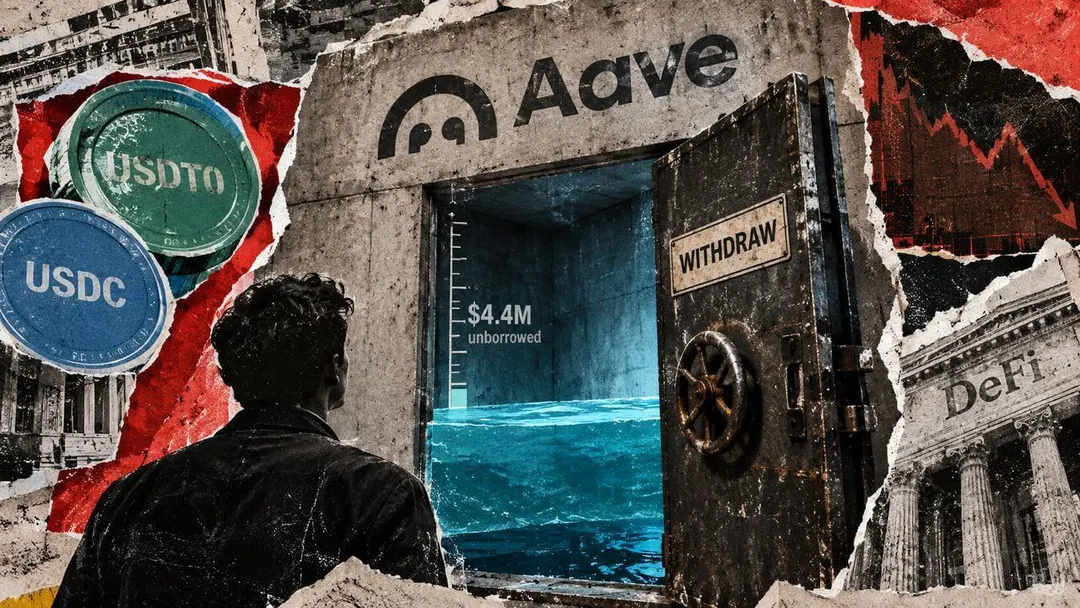
Aave USDT0 pool on Monad: only $4.4M of $55.9M available
Why it matters: The high rate may reflect shrinking free liquidity rather than rising demand, increasing the risk of withdrawal delays for large depositors.

Analyst: $85K-$86K zone may become a bitcoin trap for ETF investors
Why it matters: A close above $86K would show the supply has been absorbed; otherwise the rally becomes an exit for ETF investors waiting to break even.

FCA and Bank of England to publish tokenization roadmap by year-end
Why it matters: Britain is building a regulatory framework for asset tokenization, which could accelerate institutional entry into the crypto market.
Peru Economy Ministry's X account hacked for crypto scam
Why it matters: Hacks of government accounts undermine trust in official channels and are used to defraud investors.

Sam Altman backs slowing AI development, Worldcoin back in focus
Why it matters: Altman's statements directly affect perceptions of Worldcoin, which is tied to his name and the AI narrative.

Robinhood plans in-kind redemption and voting rights for Stock Tokens
Why it matters: The initiative's success would set a standard for tokenized stocks; failure on voting rights would deepen skepticism toward such products.
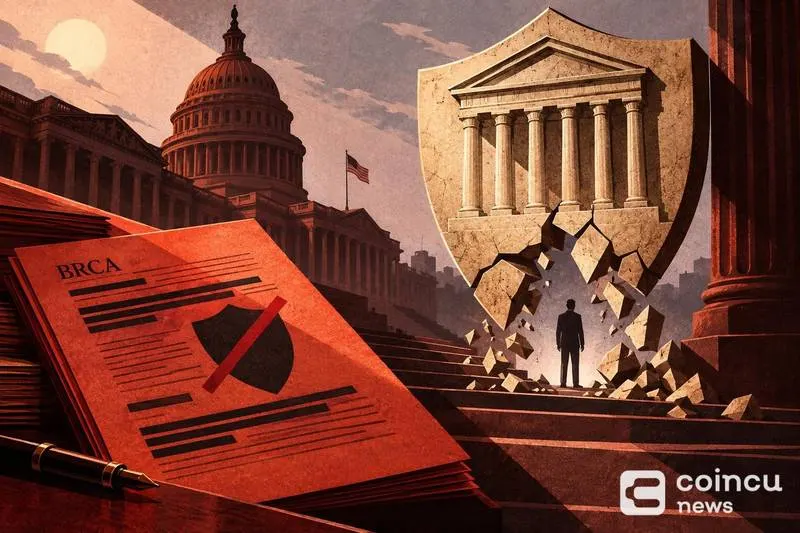
Tom Emmer warns BRCA amendments could remove criminal safe harbor
Why it matters: If the protection is removed, non-custodial developers and miners in the U.S. will face growing legal risks.

Vitalik Buterin's AI warning called a possible Q4 crypto bear factor
Why it matters: Growing AI fears could amplify crypto volatility through a risk appetite shared with equities.

Bitcoin Holds Near $78,000 Despite ETF Outflows
Why it matters: Holding the $78,000 level amid ETF outflows may signal the market's ability to absorb seller pressure.

Venezuela Prepares Dollarization Bill Amid 356–500% Inflation
Why it matters: Official dollarization could compete with USDT in the country, but for now it is only a private draft with no legal status.

Experts: Bitcoin's Fate to Be Decided in 48 Hours on Fed and CLARITY Act
Why it matters: The outcome of the Fed meeting and the CLARITY Act vote will set the market's direction for the coming weeks.

Coin Center Slams BRCA Amendments for Unresolved Legal Questions
Why it matters: Coin Center's position could influence the final text of the regulation and the outcome of the Lewellen lawsuit, which determines the legal status of developers.

Cardano Gains Native Support in x402 Payments Protocol
Why it matters: Native support lowers the barrier for developers and expands the number of applications and AI agents accepting payments settled in Cardano.
TD Cowen: 25% Chance CLARITY Act Passes This Year
Why it matters: The fate of the US crypto market structure law depends on the Democrats' position, which affects regulation and investor sentiment.
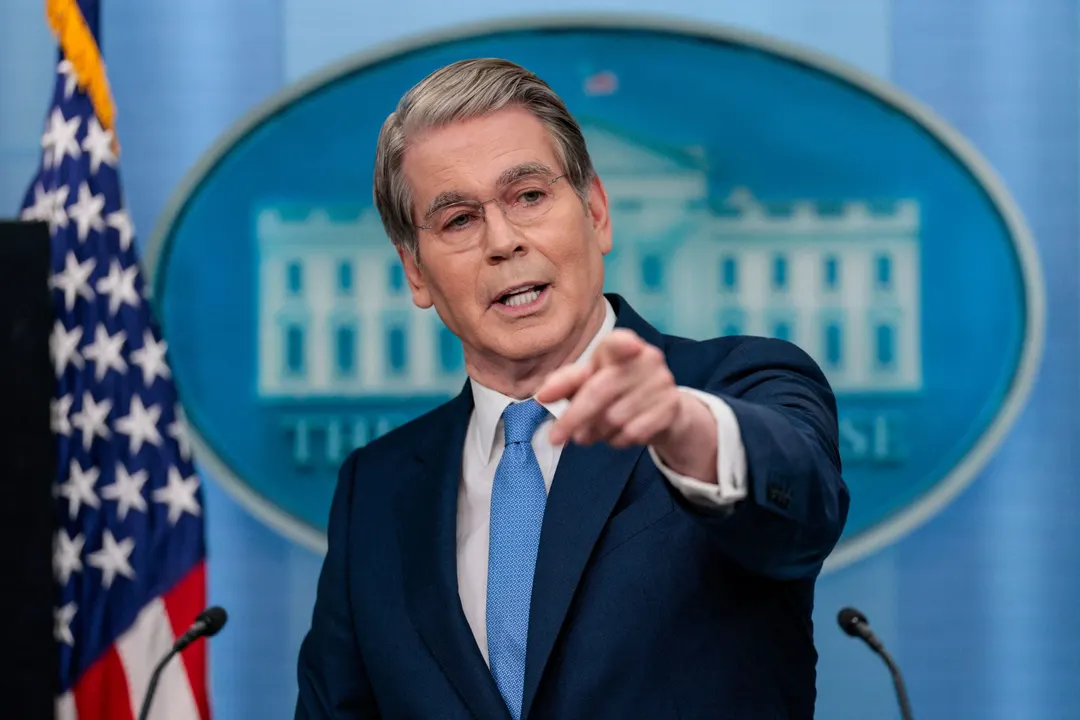
Bessent Backs Protections for Regional Banks in CLARITY Act
Why it matters: The Treasury's position reduces the risk of harsh restrictions on stablecoins and raises the chances of the CLARITY Act passing.