Crypto news today
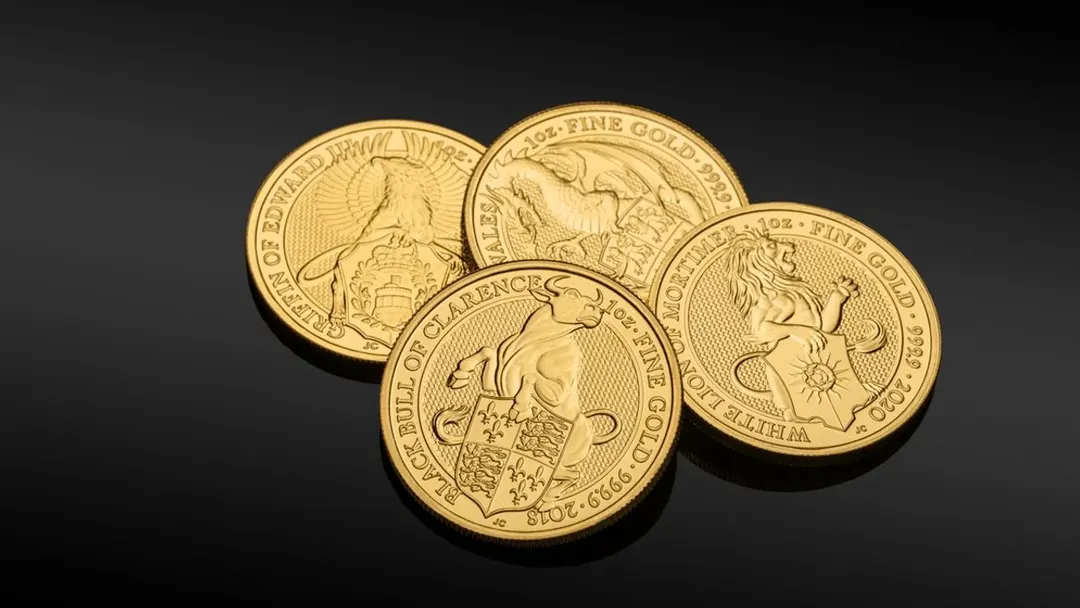
Tokenized stock trading volume on Base hits $792.2M over 30 days
Why it matters: Tokenized stocks are becoming a notable growth source for Coinbase and Base, intensifying competition for the blockchain equities market.

WLFI proposes voting incentive program for holders
Why it matters: The program could reduce WLFI circulation and boost governance activity, but rewards are not guaranteed and depend on the ecosystem's budget.
Coinbase rises 10.21%, Circle 7.16% as U.S. indexes fall
Why it matters: The rise in crypto stocks against a falling market points to investor demand for digital-asset-related equities.
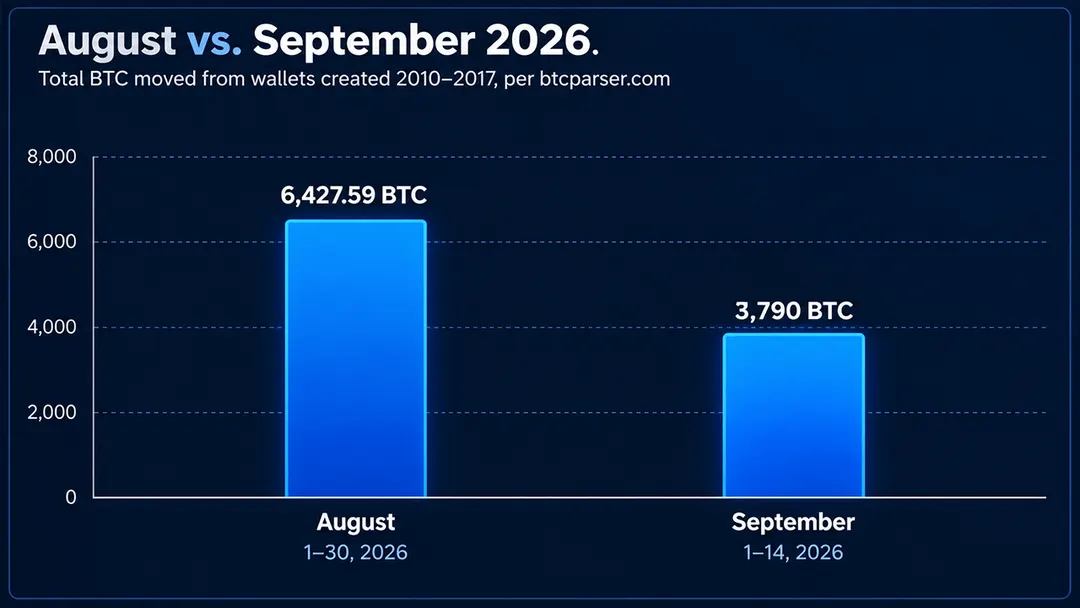
3,790 'dormant' bitcoins moved in September, 62% on weekends
Why it matters: The reactivation of old coins may signal preparation to sell and weighs on BTC supply, though August's record of 6,427 BTC has yet to be surpassed.
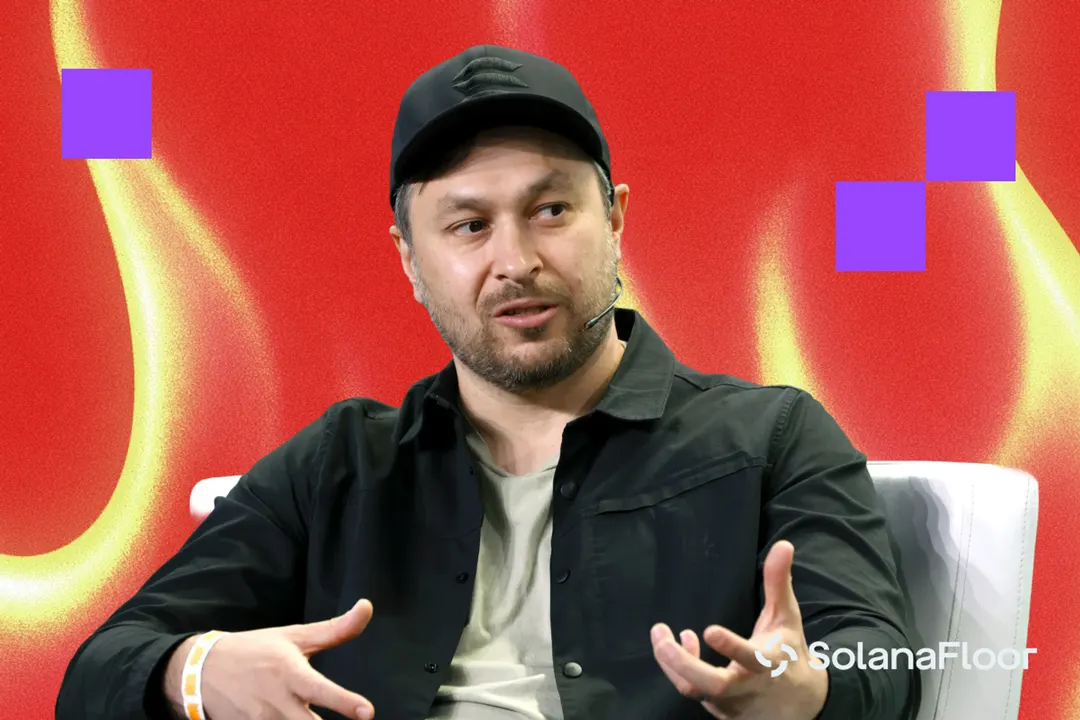
Yakovenko threatens Solana validators that slow slots
Why it matters: The dispute over slots could lead to validator blacklists and tighter staking rules on Solana.

Solana: 63% of tokenized stock trading happens outside Wall Street hours
Why it matters: Growth in off-hours stock trading on Solana could become a driver for SOL, but the token has yet to reflect that demand.
Ripple's RLUSD hits record $2.44B market cap, growth driven by Ethereum
Why it matters: RLUSD's growth intensifies competition in the stablecoin segment, and the shift of issuance to Ethereum shows institutional demand outside the XRP ecosystem.

Analysts: Bitcoin faces most volatile week of the year
Why it matters: The outcome of the CLARITY Act vote and the Fed's rate decision will set the direction for bitcoin and the broader market in the coming weeks.

Aerodrome draws $611.4M in tokenized stock trading volume on Base
Why it matters: Growing tokenized stock volumes on DEXs intensify competition with CEXs and accelerate the integration of traditional assets into DeFi.

BitMine adds 27,180 ETH, Canaan sells all 3,952 ETH
Why it matters: Diverging treasury strategies and ETH ETF inflows against BTC ETF outflows strengthen the narrative of Ethereum's outperformance, though Bitfinex analysts attribute the demand to cash-and-carry rather than spot buying.
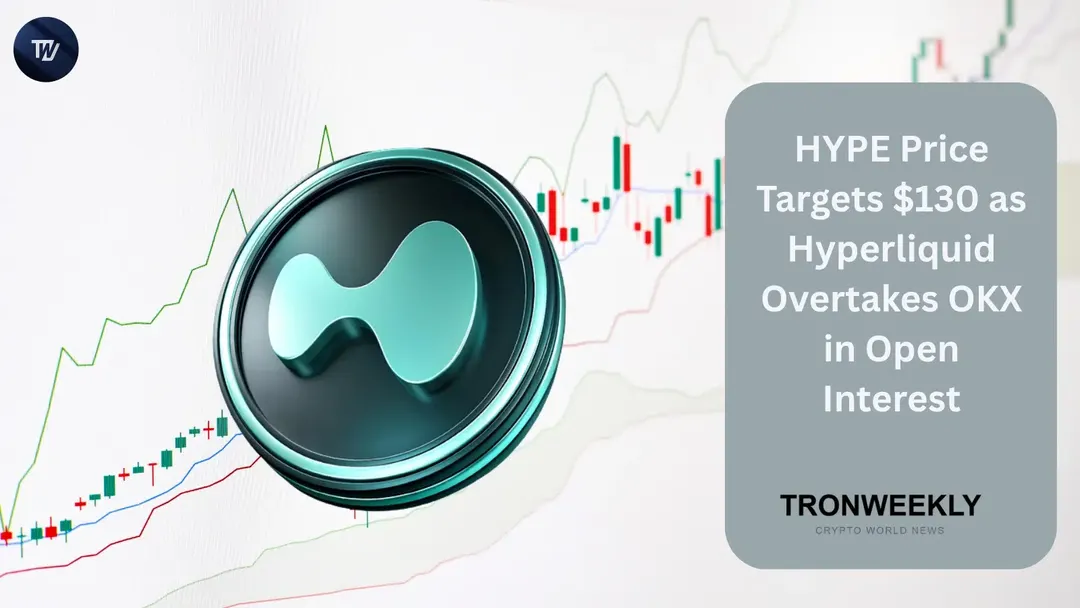
Hyperliquid overtakes OKX in open interest, HYPE targets $130
Why it matters: Hyperliquid's growing derivatives share strengthens HYPE's fundamental support, but analysts see a possible correction before the $130 target.
Minnesota AG Ellison joins coalition against crypto bill
Why it matters: A growing number of opponents reduces the bill's chances of passing the Senate and heightens regulatory uncertainty.
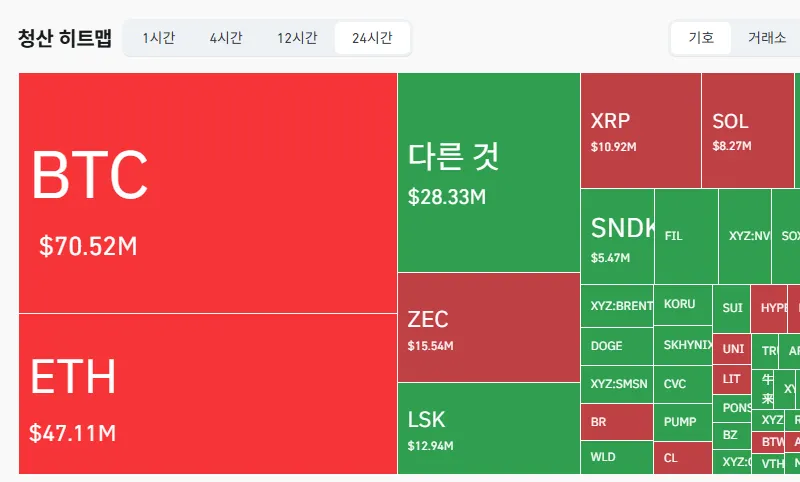
$176.3M in leveraged positions liquidated in 24 hours, 61.49% shorts
Why it matters: The predominance of short liquidations during a rally points to forced closing of bearish bets and could reinforce short-term upward momentum.

Zetta and CVM discuss tokenization and AI at Brazil seminar
Why it matters: Brazil is accelerating regulatory work on tokenization, which could open the market to crypto companies and fintechs.
Bitcoin hits $79,000 on CLARITY Act expectations
Why it matters: Approval of the CLARITY Act could shape US spot crypto market regulation and boost institutional capital inflows.

TRON quantum security design may prevent some wallets from changing keys
Why it matters: If the design is adopted as currently written, some TRON users risk losing the ability to change keys during the migration to quantum-resistant signatures.
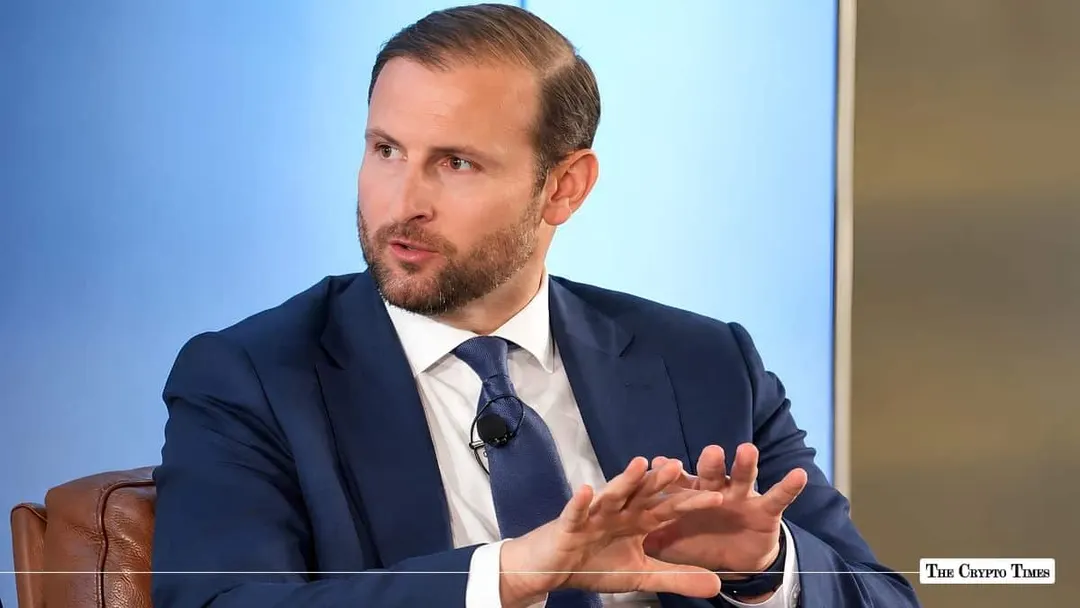
White House adviser calls stablecoin deposit outflow a myth ahead of CLARITY Act vote
Why it matters: The outcome of the vote will determine U.S. rules on stablecoin rewards and the balance between banks and the crypto industry.
Bitfinex: Bitcoin may test $76,000 and $82,000 after Fed decision
Why it matters: High volatility is expected after the Fed meeting: a break above $82,000 could accelerate gains on a short squeeze, while a drop below $76,000 could trigger a cascade of long liquidations.
Connecticut attorney general urges Congress to preserve state crypto fraud powers
Why it matters: Federal initiatives could limit state oversight of crypto, weakening protection for retail investors against fraud.
Floyd County sheriff proposes crypto ATM fraud warning signs
Why it matters: The rise in crypto ATM fraud is pushing local authorities to introduce warnings to protect users.