Crypto news today
XRP at $1.41: trading volume up 139%, open interest at $3.05 billion
Why it matters: Rising volume and open interest while holding above $1.35–1.36 confirms the breakout; a close above $1.38 opens the path to $1.60.
Binance Alpha to launch apM Fashion (APM) airdrop on September 17
Why it matters: The new listing and airdrop on Binance Alpha draw attention to the APM token and boost activity among platform users.
US August inflation hits 3.4% as Fed weighs rate decision on Sept 15-16
Why it matters: The Fed's decision will shape the dollar and risk assets, including bitcoin, in the coming weeks.
Bessent: CLARITY Act key to US winning global crypto race
Why it matters: The Treasury's stance increases pressure on the Senate ahead of a vote that will determine regulatory certainty for the US crypto market.
Whales trim BTC positions as retail adds, market eyes return to $80,000
Why it matters: The shift from whales to retail without aggressive selling reduces the risk of cascading losses, but gains are only possible above $80,000.

Ripple unlocks 1 billion XRP but returns 700 million to escrow
Why it matters: Ripple's monthly XRP unlocks are predictable, and the market focuses not on the unlock size but on how much Ripple returns to escrow and sells.
Turnkey adds token swaps and yield products to wallet infrastructure
Why it matters: The expansion intensifies competition among infrastructure providers and makes it easier for fintech apps to launch crypto features.
Bitcoin at $76,800 as ETFs return to inflows before FOMC and CLARITY Act vote
Why it matters: The market awaits the Fed's Sept 17 decision and the procedural CLARITY Act vote, both of which could sharply increase volatility.
XRP ETFs draw $5.1 million as bitcoin funds lose $282.6 million
Why it matters: The flow divergence shows persistent institutional demand for XRP; a break above $1.40 opens the way to $1.60, while losing $1.30 is a bearish signal.

CLARITY Act stalls again as Senate splits over ethics rules
Why it matters: Delays to the CLARITY Act prolong US regulatory uncertainty and weigh on sentiment for BTC, ETH, XRP and SOL.
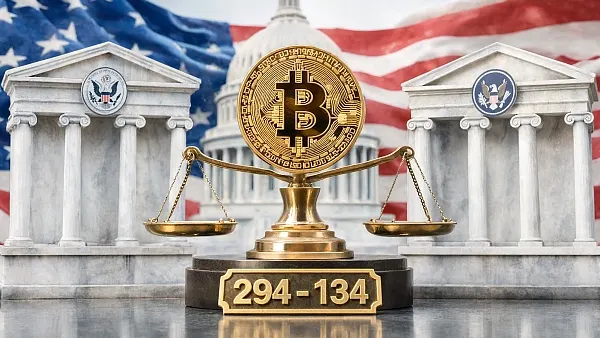
CLARITY Act faces mounting opposition from Warren, 18 state AGs and banks
Why it matters: The multi-front opposition lowers the odds of the CLARITY Act passing, delaying regulatory clarity for the entire U.S. crypto market.

Crypto market slips back to $2.65T after Democrats' counterproposal on CLARITY Act
Why it matters: The outcome of the CLARITY Act vote and the Fed's September 16 decision will set the market's direction: a break of the $75–82K range risks a cascade of liquidations.

Thailand's SEC: crypto trading turnover rose to 1.66 billion baht per day in August
Why it matters: Rising activity in Thailand points to a recovery in Asian retail demand, though turnover remains below levels seen two years ago.
Bitcoin tests $76,000 support, with a possible pullback to $71,000
Why it matters: Holding $76,000 will determine the short-term trend: a breakdown risks a drop to $71,000, while a return above $80,000 would cancel the bearish scenario.

Satoshi-era miners still hold about 590,000 BTC
Why it matters: The large concentration of old coins is a potential risk of supply pressure if they are moved to exchanges.

Banks reject Bessent's CLARITY Act 'safeguard' ahead of vote
Why it matters: A failed vote would delay U.S. crypto regulation and hit expectations for stablecoins and DeFi.
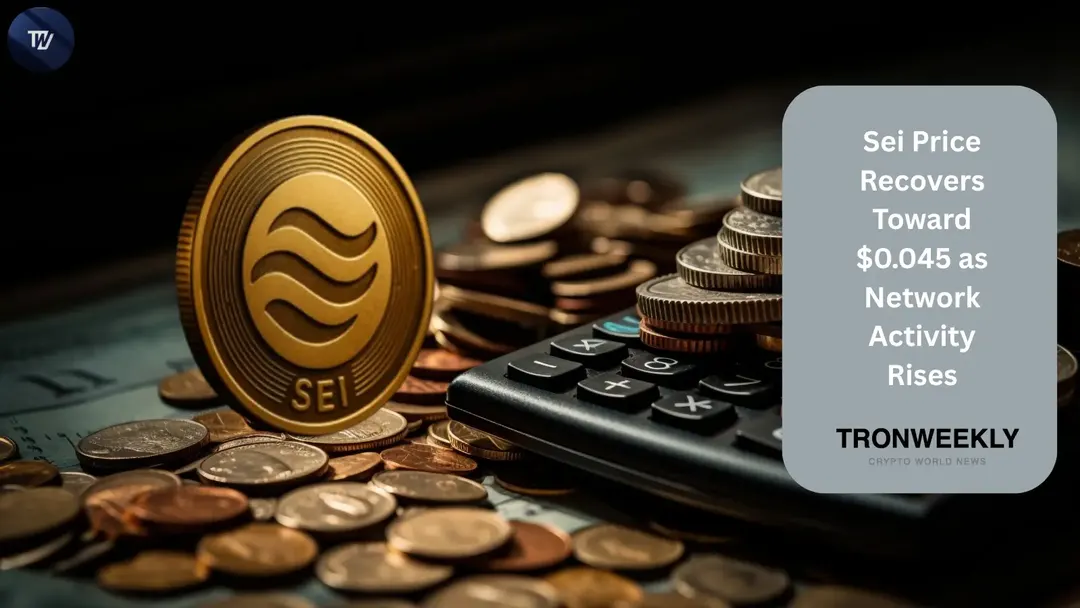
Sei launches Giga Storage upgrade on mainnet, price rebounds to $0.045
Why it matters: The upgrade and rising activity support interest in SEI, but a break above the $0.0459 resistance is needed to confirm a reversal.
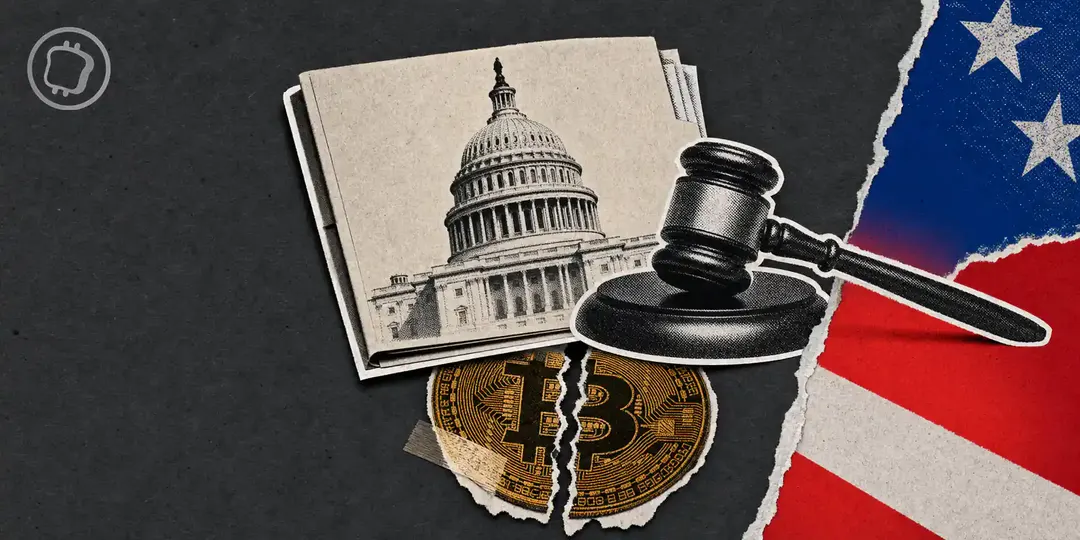
Bitcoin at $77,000: analysts warn of crash risk ahead of CLARITY Act vote
Why it matters: The vote outcome and the Fed meeting will set the market's direction: a failed bill would deepen regulatory uncertainty and selling pressure.

Lawmaker Kang Jun-hyeong: Crypto Exchange Ownership Cap Should Be Debated Separately From Digital Asset Act
Why it matters: Whether the ownership cap is removed from the base law will determine the pace of crypto regulation in Korea and the structure of the local exchange market.

IRS: Form 1099-DA Will Leave a Cost-Basis Gap for External Assets
Why it matters: Investors who moved crypto between wallets and exchanges risk double taxation without their own purchase records.