Crypto news today
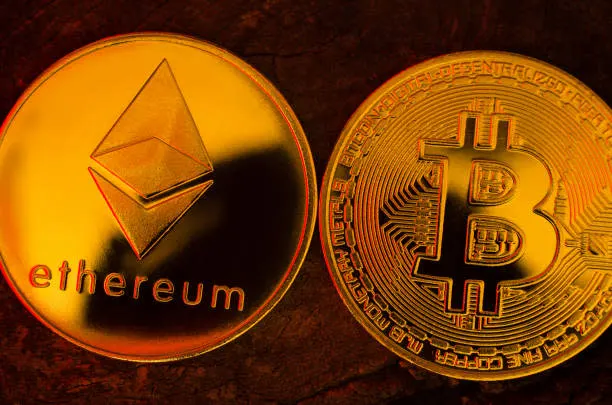
Bitcoin Falls to $76,931, Ethereum to $2,480 Ahead of Fed Meeting
Why it matters: The outcome of the Fed meeting will determine the short-term trajectory of BTC and ETH: a rate hike could accelerate outflows from risk assets.
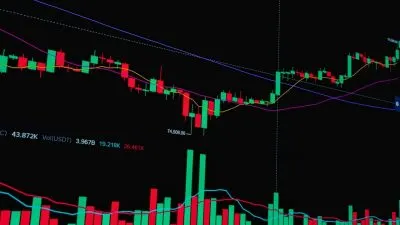
UC Investments Puts $2.5B Into New ETF as ProShares Launches GENIUS Act Fund
Why it matters: Growing initial ETF volumes and funds built for stablecoin reserves reinforce institutional demand for crypto infrastructure.

Bitget Wallet Adds Tokenized U.S. Stocks Through Reality Integration
Why it matters: The growth of stock tokenization in wallets intensifies competition among exchanges and platforms for the RWA market.

Bitpanda CEO Lukas Enzersdorfer-Konrad to Step Down in Q1 2027
Why it matters: Frequent leadership turnover could signal management instability at one of Europe's largest crypto exchanges.

Japan's New Economic Federation Seeks Flat 20% Crypto Tax, Including Peer-to-Peer Trades
Why it matters: A flat rate not tied to exchanges would simplify taxation and could boost activity among Japanese investors.

Kazakhstan's Crypto Market Grows 30-Fold to $10.5B After Regulation
Why it matters: Kazakhstan is positioning itself as a Eurasian crypto hub: Binance is already building a hub there for CIS settlements, intensifying competition for the regulated market.

Liquid Network Exploit: 4,000 Unbacked L-BTC Issued, $320M in BTC Withdrawn
Why it matters: The incident exposed the vulnerability of Bitcoin sidechains and bridges: a bug in Elements allowed real BTC to be withdrawn, heightening risks for L2 solutions.
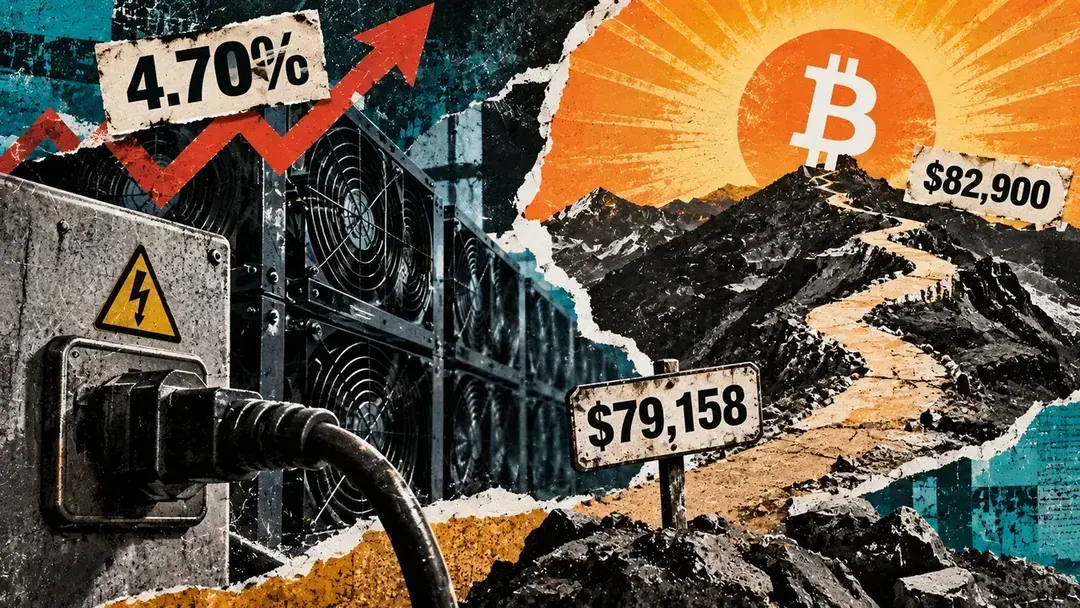
Bitcoin needs $82,900 to offset 4.7% mining difficulty increase
Why it matters: Rising difficulty squeezes miner margins: at $48/MWh, machines costing more than about 34.6 J/TH will not even cover electricity, which could intensify BTC selling pressure.

About $7.8 million in rsETH stolen from Gnosis Safe wallet
Why it matters: The incident exposes the risks of custodial wallets with Safe extensions and could increase pressure on restaking protocols.
$146 million in crypto futures longs liquidated in 24 hours
Why it matters: The cascade of long liquidations adds pressure to BTC and ETH prices and raises volatility amid expectations around the Fed and the CLARITY Act.

Mining pool OCEAN receives SOC 1 and SOC 2 Type 2 audit attestations
Why it matters: Independent audits boost institutional miners' confidence in the transparency of the pool's payouts.
Thai SEC opens public consultation on stablecoin regulation
Why it matters: The final rules will set requirements for stablecoin operations in Thailand and could become a model for other Asian regulators.
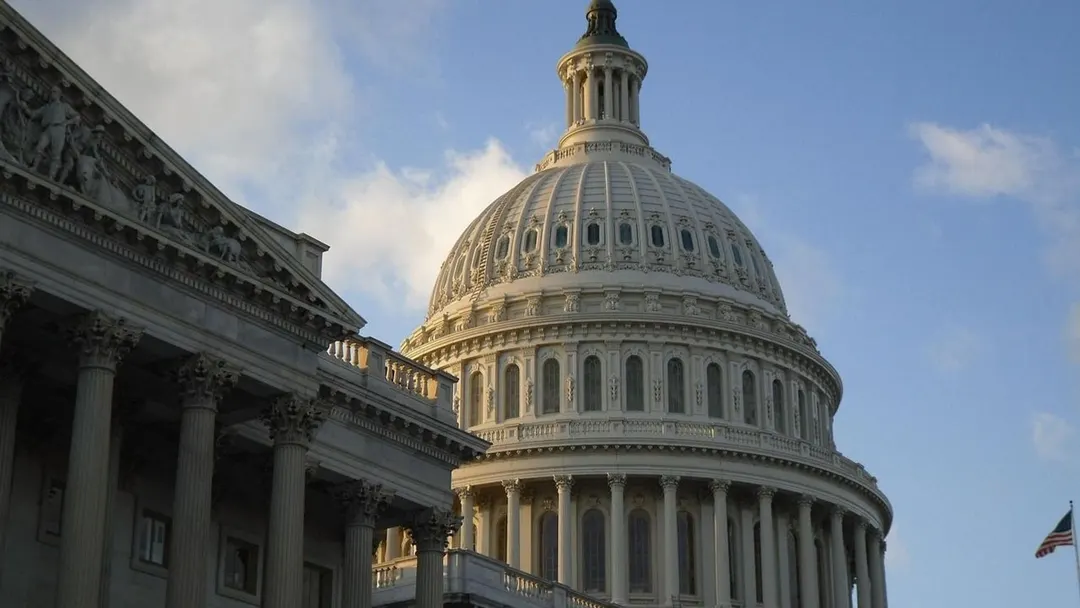
Analysts: ETH, SOL and XRP to gain if CLARITY Act advances
Why it matters: Passage of the law could remove regulatory uncertainty and unlock institutional demand for ETH, SOL and XRP.
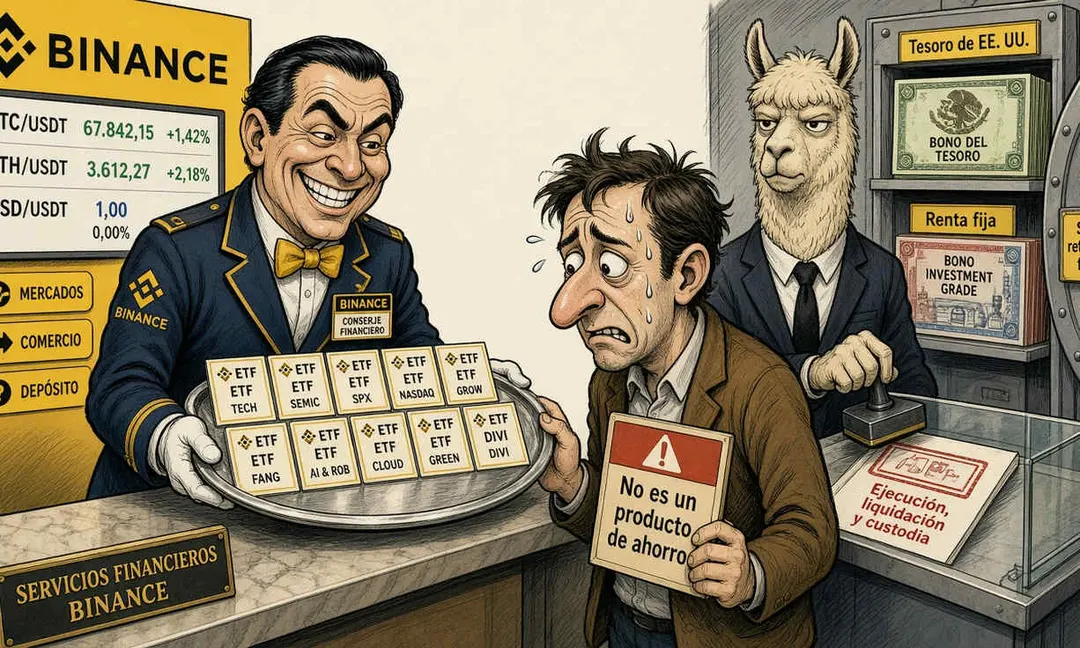
Binance launches ETF Wealth Management with 11 U.S. funds
Why it matters: The largest exchange is expanding retail access to traditional funds, intensifying competition with brokers and blurring the line between crypto and TradFi.

CLARITY Act: Senate vote as White House launches stablecoin tool
Why it matters: The outcome of the vote will determine the U.S. crypto market's regulatory framework and could trigger sharp moves in BTC, XRP and altcoins.

Bitget expands Open API to global CFD markets
Why it matters: The exchange is expanding its infrastructure for multi-asset trading, intensifying competition for institutional and algorithmic traders.

Saifedean Ammous: Bitcoin mining and its energy consumption may have peaked
Why it matters: A contraction in mining would reduce hashrate and the supply of new BTC, which could support the price in the long term.

Venice Token falls 2.3% to $22.11 after record burn
Why it matters: The correction looks like a pause after a vertical rally: losing $21.73 on weak volume could accelerate the decline toward $20.22.

KuCoin launches RWA strategies with USDT access
Why it matters: It expands the use of USDT within the exchange and intensifies competition for institutional capital in the RWA product segment.

Bitcoin holds near $77–79K despite $107 oil and 5% US Treasury yields
Why it matters: The market has already priced in a Fed rate hike; the key question is whether it will be a one-off move or the start of a tightening cycle, which will determine Bitcoin's further trajectory.