Crypto news today

Arbitrum launches tokenized stocks via RealityFi
Why it matters: Expanding tokenized stocks to Arbitrum intensifies L2 competition for the RWA market and could attract institutional capital.
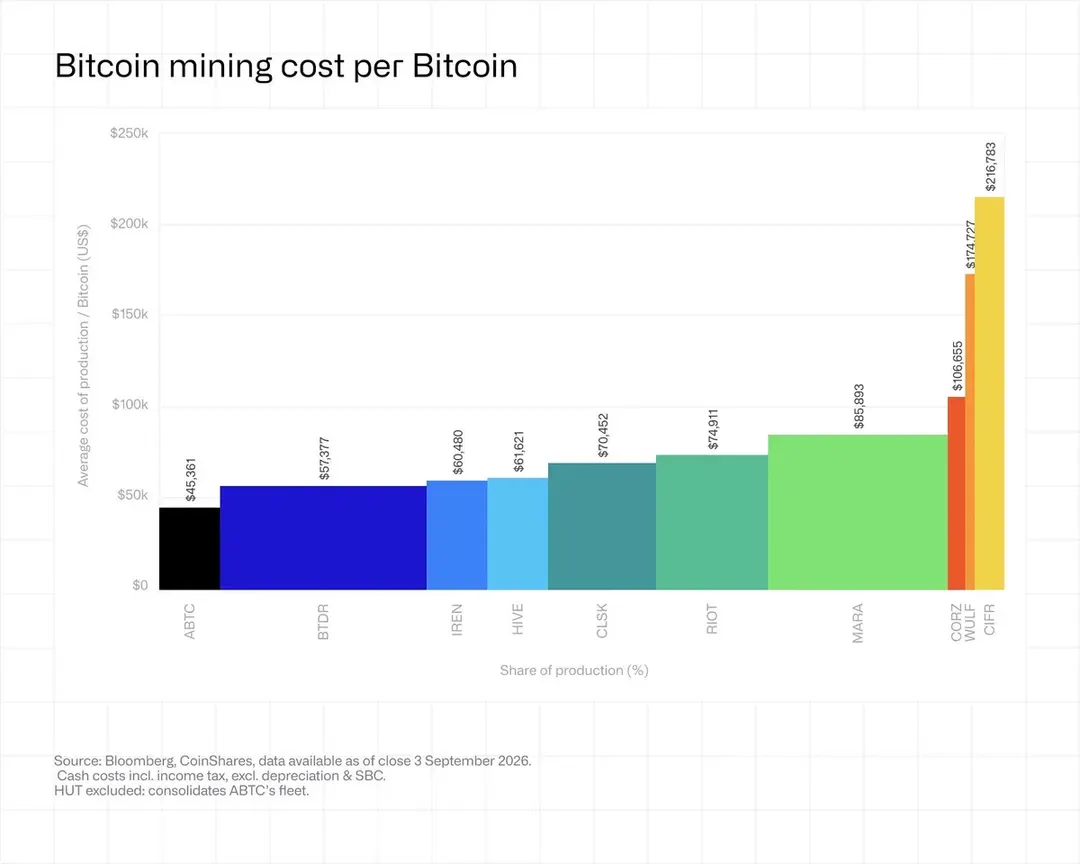
CoinShares: average cash cost of BTC mining rises to $75,500
Why it matters: Miners are operating below break-even, leading to capacity cuts and pressure on BTC supply.
XRP spikes to $1.41 then falls back into triangle as XRPL upgrade stalls one vote short
Why it matters: The XRPL upgrade delay and XRP's failed breakout weaken short-term momentum, while the outcome of the CLARITY Act vote will set the market's direction.
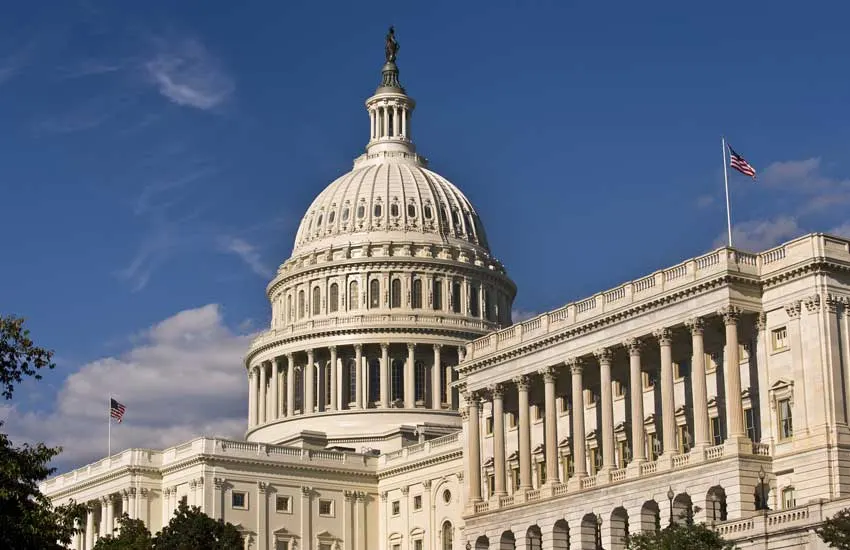
CLARITY Act: ethics and stablecoin yield rules changed before vote
Why it matters: The vote's outcome will determine whether the U.S. crypto market gets federal rules or remains in a regulatory vacuum.

BVNK and Marqeta launch stablecoin-enabled cards
Why it matters: It expands stablecoin use in everyday payments through card networks, intensifying competition with traditional payment systems.

Solana holds near $100 as ETFs draw $11 million and network activity rises
Why it matters: Steady ETF inflows and rising network revenue support SOL demand, but a break toward $150 requires an exit from the triangle above $110.60.
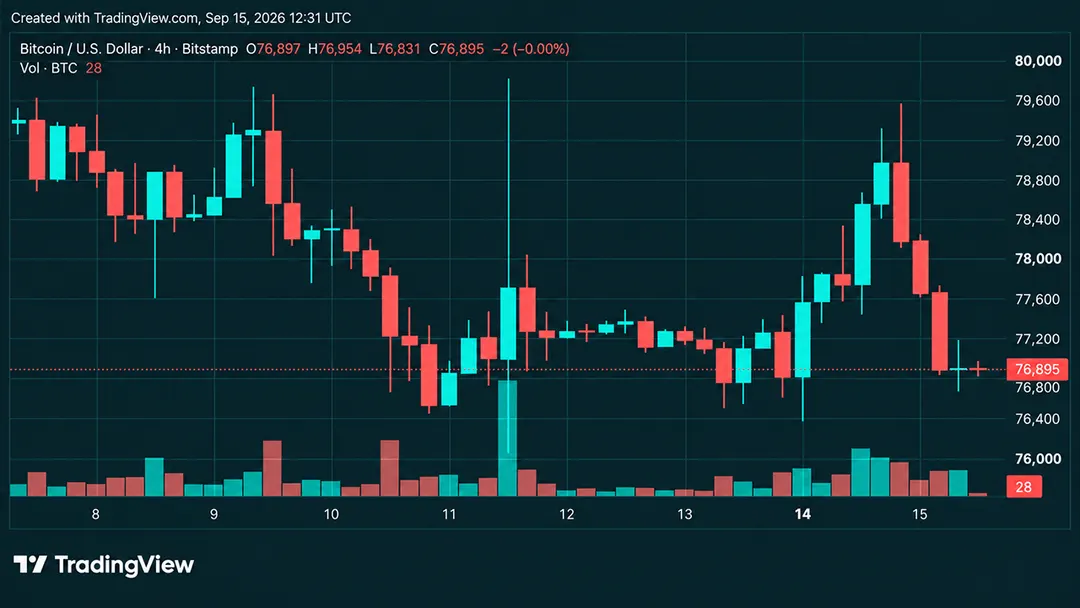
Bitcoin at $76,900 after pullback from $79,000; $76,000-$76,700 support in focus
Why it matters: Holding $76,000 keeps alive the chance of a bounce to $78,000-$79,600, while a breakdown opens the way to $74,000-$75,000.
U.S. Senate decides crypto regulation's fate as Democrats oppose Trump investments
Why it matters: The vote's outcome will set the rules for the U.S. crypto market and affect bitcoin and altcoins.
Ethereum falls below $2,500 as MACD turns down before Fed and CLARITY Act vote
Why it matters: Weak momentum and nearby liquidation zones leave ETH vulnerable to sharp moves before the Fed decision and the CLARITY Act vote.
Cardano Foundation joins Mastercard Crypto Partner Program
Why it matters: The Mastercard partnership strengthens Cardano's institutional recognition as infrastructure for real-world payments and stablecoins.
Falcon Finance launches regulated digital dollar fUSD and RWA platform
Why it matters: Regulated digital dollar infrastructure and RWA tokenization expand institutional access to blockchain assets.
Rain integrates Korean stablecoin KRW1 on Avalanche
Why it matters: It expands the infrastructure for won stablecoins and their payment use in Asia.
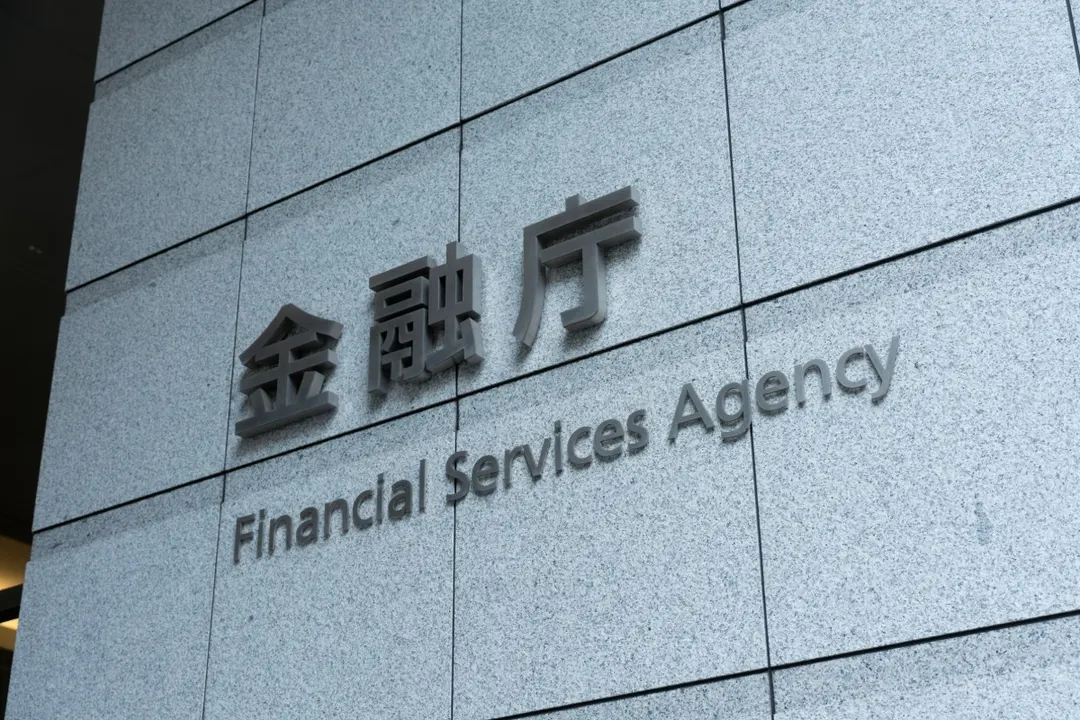
Japan's FSA includes 'onchain finance' in its fiscal 2026 plan
Why it matters: Japan is turning its tokenization strategy into concrete regulatory steps, which could accelerate institutional adoption of onchain settlement in Asia.
What the Senate vote on the CLARITY Act decides for XRP, BTC, ETH and SOL
Why it matters: The outcome of the vote will determine the regulatory status of the largest assets in the U.S. and could move the market.
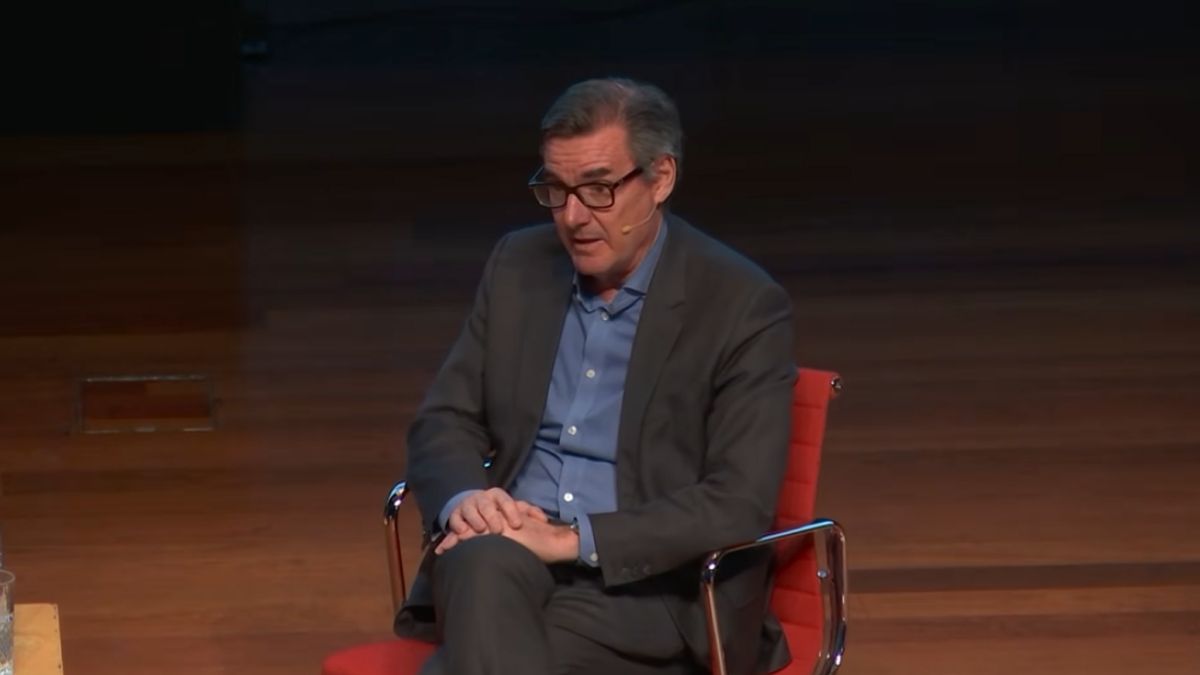
Spain's CNMV chief: crypto has 'very clear advantages'
Why it matters: The Spanish regulator's softer rhetoric could speed up crypto adoption in the EU amid MiCA.

Korea's deputy PM nominee: crypto tax from 2027, but burden will be small
Why it matters: It confirms the timing of the tax in one of the largest crypto jurisdictions but signals a light burden for retail.

Kazakhstan prepares stablecoins for trade and USDT and USDC analogues
Why it matters: Kazakhstan is creating a regulated alternative to USDT and USDC and a settlement hub with Binance, intensifying competition for the stablecoin market in Central Asia.
Smarter Web Company plans perpetual preference shares on LSE to buy bitcoin
Why it matters: Another treasury company is seeking non-dilutive capital for its bitcoin strategy — a signal of demand for BTC through UK public markets.
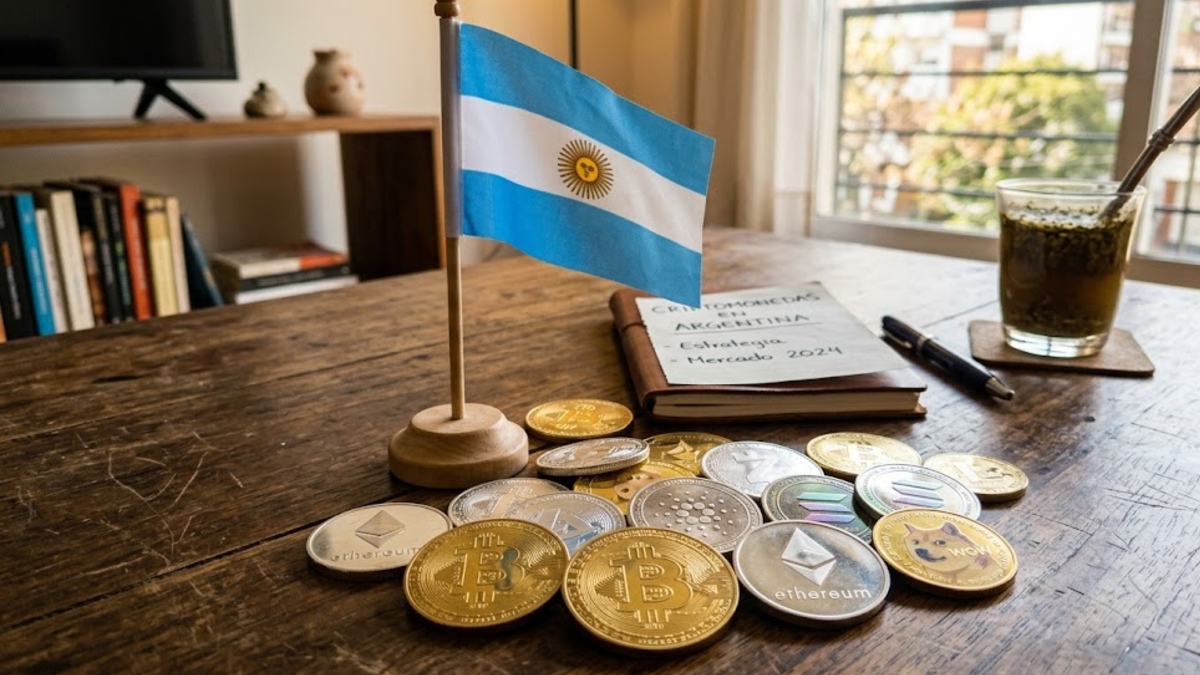
Argentina joins OECD automatic crypto data exchange
Why it matters: The expansion of automatic crypto data exchange increases tax transparency and pressure on digital asset holders in Argentina.

USDC integrated into Monad network
Why it matters: Growing USDC liquidity on fast EVM networks intensifies competition for capital and users in DeFi.