Crypto news today
Man steals $245 million in crypto and spends $569,000 in one night
Why it matters: The large theft is a reminder of the risks of holding crypto and draws regulators' attention to asset security.

PancakeSwap names Infinity default launch platform for Pairdotfund tokens
Why it matters: The integration strengthens the tokenized stocks segment in DeFi and could attract new users to PancakeSwap.
Bitfinex: $197M Ethereum ETF inflow is arbitrage, not new demand
Why it matters: ETH ETF inflows can be misleading: a significant portion is arbitrage, not real demand for the asset.
Solana Foundation launches Frontier Traders rewards program for pro traders
Why it matters: The program reduces the outflow of pro traders to CEXs and subsidizes liquidity on Solana, intensifying DEX competition with centralized exchanges.
21Shares: Bitcoin energy debate lacks needed context
Why it matters: Energy consumption arguments remain a key point for Bitcoin critics, and such data could ease regulatory pressure.
ETH exchange supply falls to 6.06M, an 11-year low, as BitMine nears 5% of issuance
Why it matters: The shrinking liquid supply makes ETH more sensitive to demand, but the outcome depends on the CLARITY Act vote and the Fed meeting.

Kyrgyzstan taps CertiK to build digital som
Why it matters: Kyrgyzstan could join the few countries with a working retail CBDC, strengthening control over cross-border transfers.
Republicans add definition to CLARITY Act cementing XRP's commodity status
Why it matters: Cementing XRP as a commodity reduces regulatory risk for the token and could accelerate institutional demand if the bill passes the Senate.

CLARITY Act faces first U.S. Senate vote: 60 votes needed
Why it matters: Passing the law would give clear rules for the U.S. crypto industry, while failure would delay regulation indefinitely.
Coinbase launches USDC lending via Morpho in Brazil and Canada
Why it matters: Coinbase's expansion into new jurisdictions boosts demand for USDC and DeFi yields on Base.

Grayscale to host institutional Hyperliquid forum in Singapore on October 6
Why it matters: The influx of institutions into Hyperliquid's on-chain derivatives strengthens demand for HYPE and the sector's legitimacy.
Solana captures about 70% of x402 micropayment protocol volume
Why it matters: x402 is becoming a foundational payment layer for AI agents, and Solana's dominance strengthens its position in this narrative.
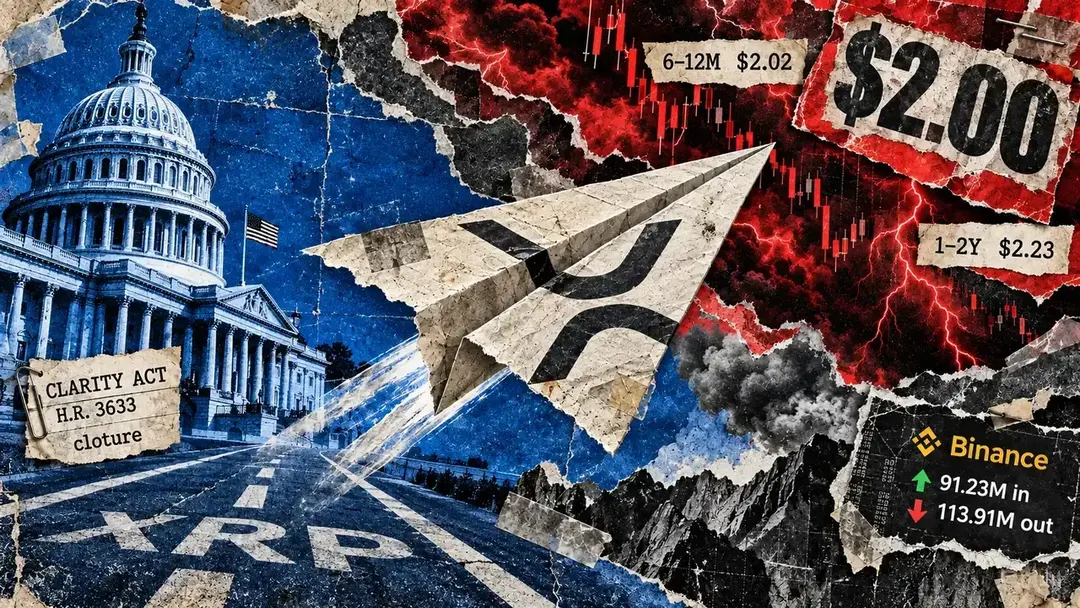
XRP's path to $2 hinges on Senate CLARITY Act vote
Why it matters: Passing the CLARITY Act could remove regulatory uncertainty and push XRP toward the break-even zone above $2 for its largest holders.
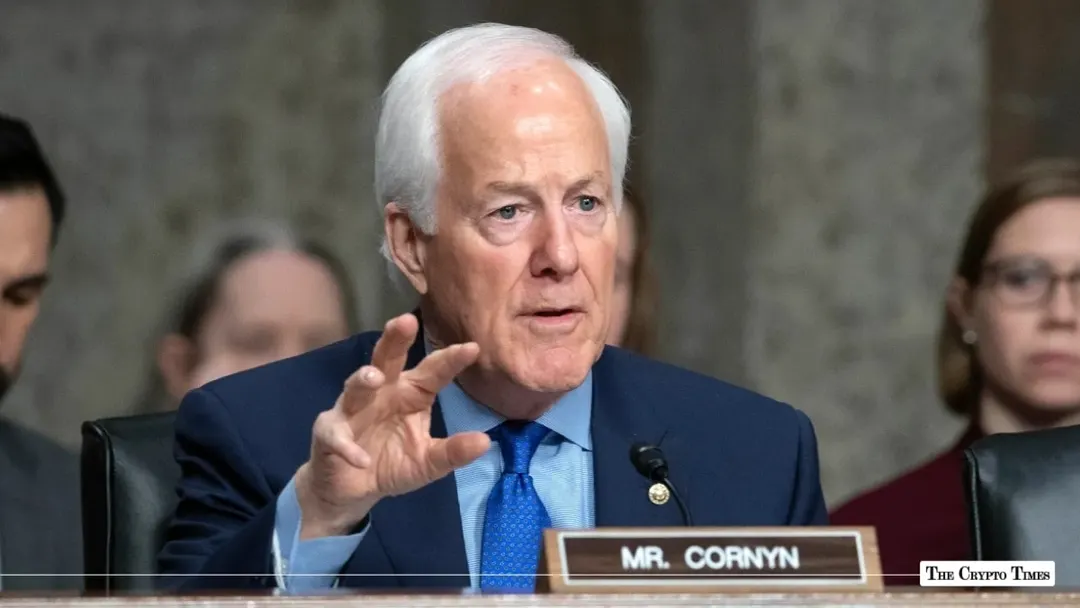
Senator Cornyn may side with banks ahead of CLARITY Act vote
Why it matters: A failed vote would stall market structure legislation until the midterms, deepening regulatory uncertainty for the crypto industry.
Olas to deploy AI agents on Robinhood Chain, reaching 28 million users
Why it matters: The integration gives AI agents access to the brokerage's large retail audience and could accelerate user migration into DeFi.

Arbitrum launches tokenized stocks via RealityFi
Why it matters: Expanding tokenized stocks to Arbitrum intensifies L2 competition for the RWA market and could attract institutional capital.
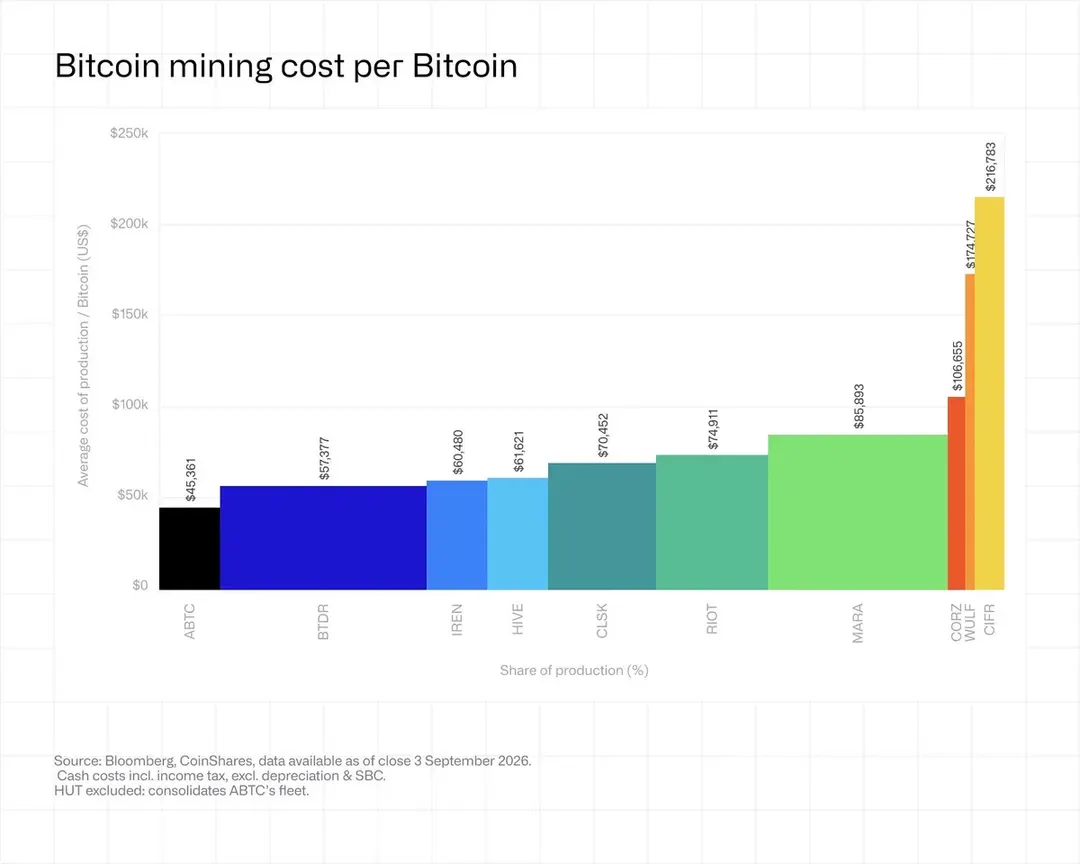
CoinShares: average cash cost of BTC mining rises to $75,500
Why it matters: Miners are operating below break-even, leading to capacity cuts and pressure on BTC supply.
XRP spikes to $1.41 then falls back into triangle as XRPL upgrade stalls one vote short
Why it matters: The XRPL upgrade delay and XRP's failed breakout weaken short-term momentum, while the outcome of the CLARITY Act vote will set the market's direction.
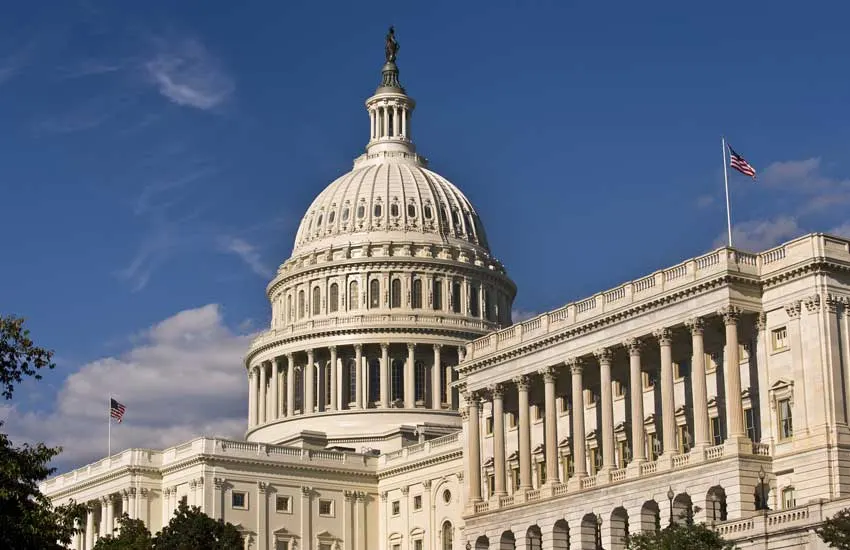
CLARITY Act: ethics and stablecoin yield rules changed before vote
Why it matters: The vote's outcome will determine whether the U.S. crypto market gets federal rules or remains in a regulatory vacuum.

BVNK and Marqeta launch stablecoin-enabled cards
Why it matters: It expands stablecoin use in everyday payments through card networks, intensifying competition with traditional payment systems.