Crypto news today

bitFlyer Adds TRX, GRAM, ATOM and XDC Amid Wave of Japan Delistings
Why it matters: Japan's market is consolidating listings: major exchanges are cutting the number of coins while bitFlyer expands its lineup with assets focused on corporate and cross-network use.

Bloomberg: Initial $100M in Crypto ETFs Doesn't Mean Real Investor Demand
Why it matters: Investors should gauge real demand by net share creation and asset trends rather than by a fund's size at launch.

Bybit Launches Odds: Fixed-Yield BTC and ETH Price Contracts
Why it matters: The exchange is entering the event-driven products market, competing with prediction markets and offering retail an alternative to risky derivatives.

Bitcoin Steadies Near $75,900 After 4% Drop in US Session
Why it matters: The Fed's rate decision and the fate of the crypto bill will determine bitcoin's near-term trajectory and that of the broader market.

FCA: UK banks may keep crypto payment restrictions after new rules
Why it matters: Formal FCA approval does not guarantee crypto firms access to banking payments, keeping barriers in place for the UK market.

Polish Olympic Committee head dismissed over $94 mln crypto scandal
Why it matters: The Zondacrypto case shows the scale of damage from crypto fraud and the reputational risks of ties to sports organizations.

South Korea to boost crypto tracking and AI analysis ahead of 2028 FATF review
Why it matters: South Korea is building supervisory infrastructure for the FATF review, which could tighten oversight of crypto operations and P2P transfers in the country.

Arbitrum rises 15% as market falls after CLARITY Act failure
Why it matters: ARB's rise on a falling market shows that revenue from Robinhood Chain could become a sustainable driver for the token.

Underdog sues Connecticut over prediction markets
Why it matters: The outcome could determine whether prediction markets are allowed at the state level, affecting competition with the CFTC over jurisdiction.
Crypto market slides after CLARITY Act failure: BTC at $75,800, $650 mln liquidated
Why it matters: The CLARITY Act failure and ETF outflows are adding pressure to the market; further moves depend on the Fed's rate decision.

Virtuals Protocol expands into AI infrastructure and robots, but without confirmed results
Why it matters: The project is moving from token launches to AI agent infrastructure, but without confirmed metrics its business valuation remains speculative.

X launches Cashtag Partner, enabling stock and crypto trading from the feed
Why it matters: The integration could accelerate retail inflows into crypto via a social network, but it heightens the risk of impulsive buying driven by viral content.

IoTrust flags abnormal transactions in D'CENT wallet, urges users to withdraw funds
Why it matters: A possible key leak or wallet exploit threatens user funds, with details and loss amounts still unknown.
Ripple joins UK's 54-company tokenization working group
Why it matters: Britain is moving tokenization from pilots into regulated markets, strengthening Ripple's position and setting a model for the G7.
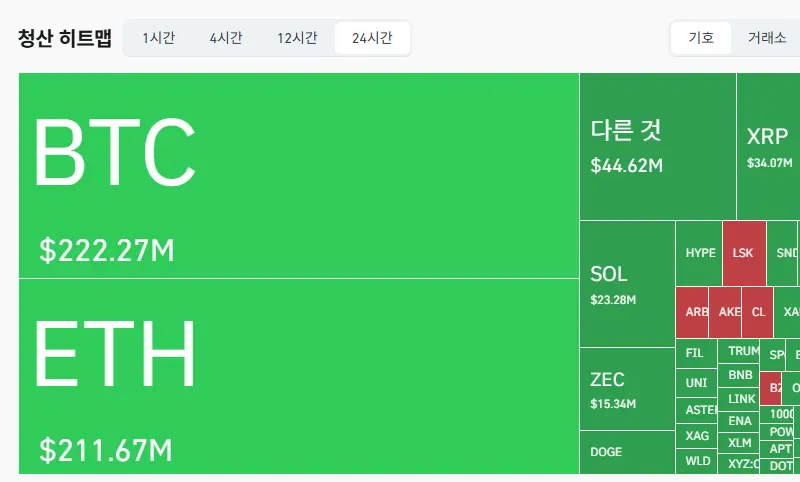
$546.79 million liquidated in 24 hours, 84.39% of it longs
Why it matters: Mass long liquidations add pressure on the market and could accelerate further declines in BTC and ETH.

Cloudflare-themed phishing pages steal crypto from memecoin traders
Why it matters: The scheme bypasses the usual drainer defenses because the malicious code runs on the device rather than through an on-chain approval, raising the risk of losses for active traders.

Fed rate decision due today: market prices 92% odds of a hike to 3.75–4.00%
Why it matters: The rate move is already priced in, so the reaction will come from the dot plot and Warsh's rhetoric on a December hike; key bitcoin support sits at $70,000.
August crypto trading volume rises to $75 billion spot and $336 billion futures
Why it matters: Rising volumes confirm a return of demand, but September's price pullback will show whether traders stay without a fresh rally.
Dunamu-NAVER deal may breach crypto exchange ownership limits
Why it matters: A potential conflict of rules could slow the deal and reshape the governance of Upbit, South Korea's largest exchange.

Phemex CEO: AI has become a 'pure negative' for the crypto industry
Why it matters: The rise in AI-driven attacks increases risks for DeFi and self-custody, which could accelerate the centralization of crypto infrastructure.