Crypto news today
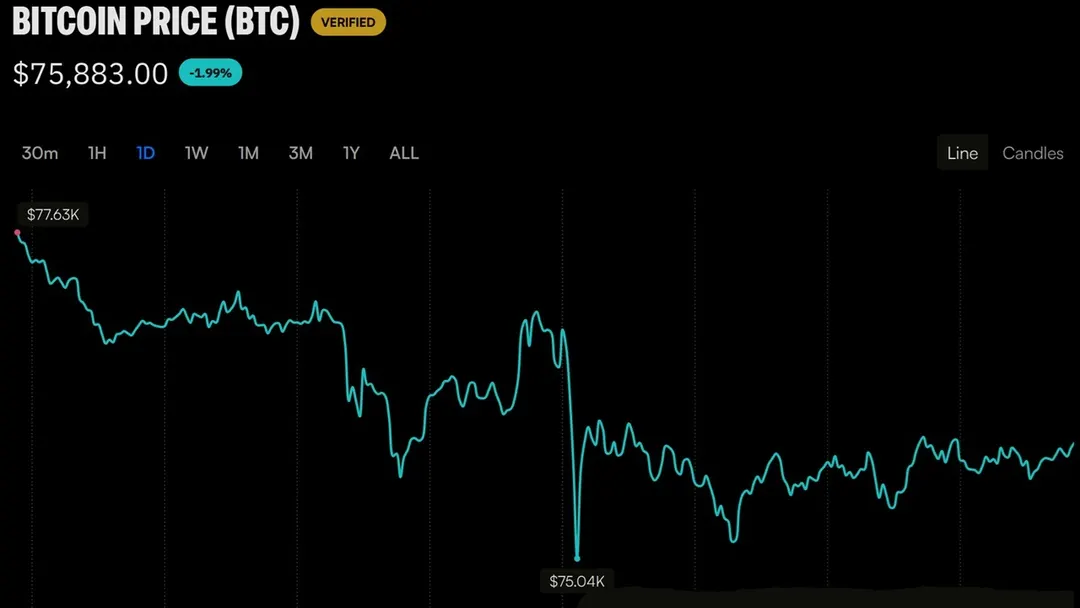
Charles Edwards: Bitcoin needs a weekly close above $78,000
Why it matters: A weekly close below $78,000 would confirm the bearish scenario and increase pressure on BTC after the CLARITY Act failure.

TLM rises 10% in an hour to $0.001495
Why it matters: The rally is accompanied by a spike in social media mentions, but trading volume remains low — the move may be speculative.
Trader 0xSun loses over $82K on memecoins in a month
Why it matters: It shows how quickly influencers' public memecoin strategies can turn negative, increasing risks for retail traders who copy them.
Binance opens Capital Connect to individuals with $1M+ in assets
Why it matters: Binance is expanding from trading into asset management, increasing competition with traditional managers for wealthy clients.
HTX spot turnover rises 43% from late-August low
Why it matters: The recovery in HTX volumes points to a return of liquidity and trading activity on the exchange after a slump.
CoinShares: Bitcoin miners hold scarce power capacity for AI
Why it matters: Restrictions are turning miners' power capacity into a scarce asset, which could raise their valuation and accelerate the industry's shift into AI infrastructure.
Justin Sun Launches Math Prize With Blockchain Payouts
Why it matters: It sets a precedent for public on-chain funding of fundamental science, linking formal verification and blockchain settlements.

Revolut Confirms KYC Data Leak via Fake Government Domain
Why it matters: The incident increases pressure on digital banks to protect KYC data and fuels demand for ZK verification without storing documents.

Binance to Support Vana (VANA) Network Upgrade and Hard Fork
Why it matters: The upgrade affects only the Vana network infrastructure, so there are no material changes for token holders.

Six Jailed in Singapore Over S$4.9M Poker Game Robbery
Why it matters: The case highlights the rise in physical attacks to force crypto transfers and the difficulty of recovering stolen digital assets.
Binance Alpha Lists DGrid AI With 44 DGAI Airdrop for 240 Points
Why it matters: Another Binance Alpha listing and giveaway means short-term demand for DGAI and activity from points farmers.
Hong Kong May Boost Crypto Hub Role After US Bill Fails
Why it matters: It signals a possible shift of crypto companies to Asian jurisdictions amid US regulatory uncertainty.

South Korea Confirms Crypto Tax From January, but Preparations Raise Questions
Why it matters: Uncertainty over crypto taxation in Korea could affect local investor activity and trading volumes on exchanges.

Deutsche Bank to Launch Crypto Custody for Institutions
Why it matters: A major European bank is entering regulated crypto custody, strengthening institutional access to digital assets under MiCA.
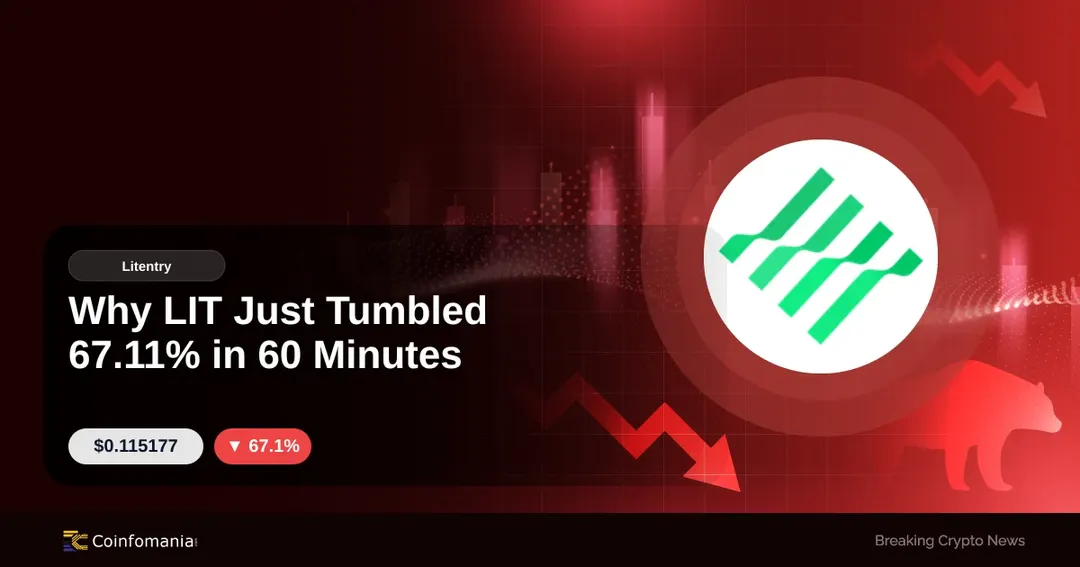
LIT Plunges 67% in an Hour to $0.115
Why it matters: Thin liquidity and derivatives liquidations amplified the crash; a break below $0.111 threatens further losses.
20x Gold Long Worth $8.67M Opened on Hyperliquid
Why it matters: A large leveraged bet on gold through crypto derivatives signals growing trader interest in commodity contracts on on-chain platforms.

Hyperliquid Tops 2026 On-Chain Revenue Generators With $429M
Why it matters: Protocol revenue has held relatively steady even as BTC fell nearly 40%, pointing to resilient demand for on-chain services.
US 10-Year Treasury Yield Hits Highest Since 2007, Bitcoin Under Pressure
Why it matters: Rising Treasury yields reduce appetite for risk assets including bitcoin and could accelerate capital outflows from crypto.

bitFlyer Adds TRX, GRAM, ATOM and XDC Amid Wave of Japan Delistings
Why it matters: Japan's market is consolidating listings: major exchanges are cutting the number of coins while bitFlyer expands its lineup with assets focused on corporate and cross-network use.

Bloomberg: Initial $100M in Crypto ETFs Doesn't Mean Real Investor Demand
Why it matters: Investors should gauge real demand by net share creation and asset trends rather than by a fund's size at launch.