Crypto news today

Circle mints $750M USDC on Solana
Why it matters: The growing USDC supply on Solana boosts the network's liquidity and could increase the stablecoin's use in DeFi applications.
Grayscale files with SEC to convert LTCN trust into spot Litecoin ETF
Why it matters: The conversion would eliminate LTCN's structural discount, but Grayscale is entering the Litecoin ETF market late, which will limit capital inflows.

JPMorgan doubts institutional stablecoin demand, Tether CEO responds with mockery
Why it matters: The dispute reflects the rift between TradFi and the crypto industry over institutional stablecoin demand, which shapes market growth forecasts.

CoinEx opens withdrawals immediately on closure, BitMart users wait over two months
Why it matters: The case shows that the manner of an exchange's closure determines user trust, but does not save the platform token from collapse.
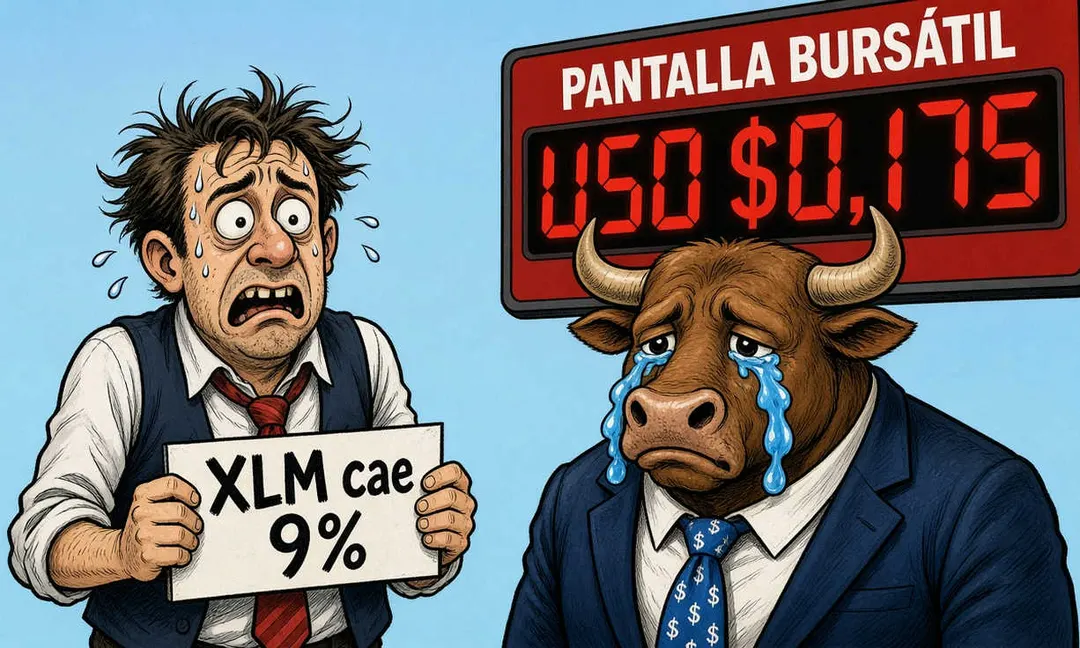
XLM drops 9.13% to $0.175 amid over $620M in liquidations
Why it matters: Losing the $0.173 support could open the way lower, but holding the level keeps alive the chance of a rebound in the $0.173–0.197 range.

Base launches B20 token standard to simplify token management
Why it matters: The new standard could lower the cost of launching tokens on Base and intensify competition among L2s for developers.
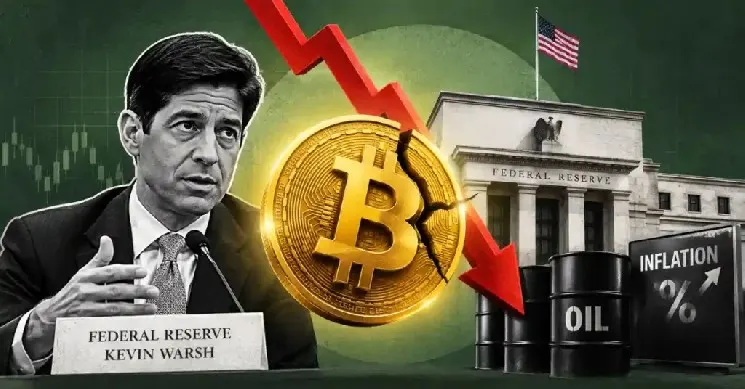
Bitcoin at $77,000 ahead of Fed decision: $80,000 as key trigger
Why it matters: Dovish Fed signals could return BTC to $80,000, while hawkish ones would increase pressure on $76,000.
Kalshi seeks $750M at $40B valuation, 30-day volume at $14.1B
Why it matters: Kalshi's rising valuation and volumes intensify competition with Polymarket and draw regulatory attention to prediction markets.
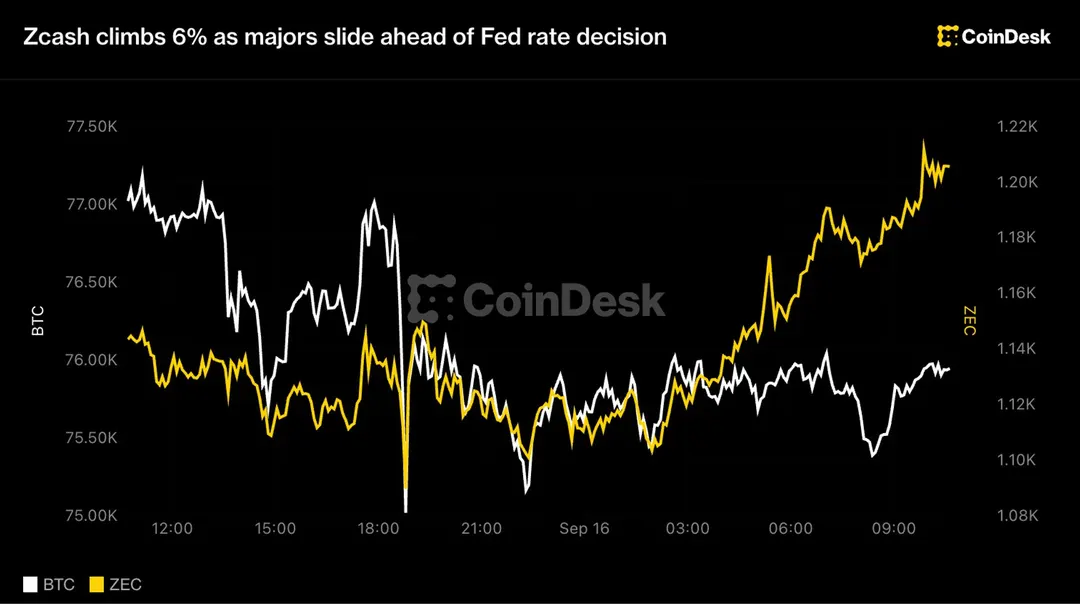
Zcash rises 6% as broader market slides ahead of Fed decision
Why it matters: The market is pricing in a 25 bps Fed rate hike; further moves depend on long-term US Treasury yields.
New wallet buys 99,834 HYPE for $7.72M via FalconX
Why it matters: A large HYPE purchase by a new wallet may signal institutional interest in the token.
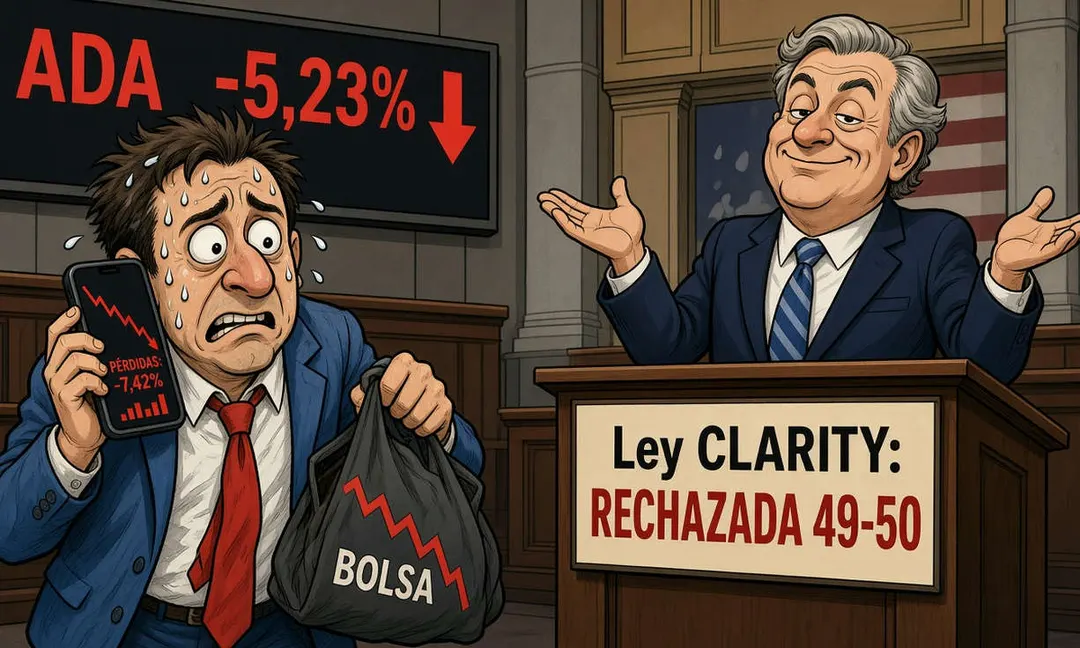
ADA drops 5.23% to $0.194 after CLARITY Act fails in Senate
Why it matters: The CLARITY Act's failure prolongs regulatory uncertainty for altcoins and delays potential ADA ETFs.
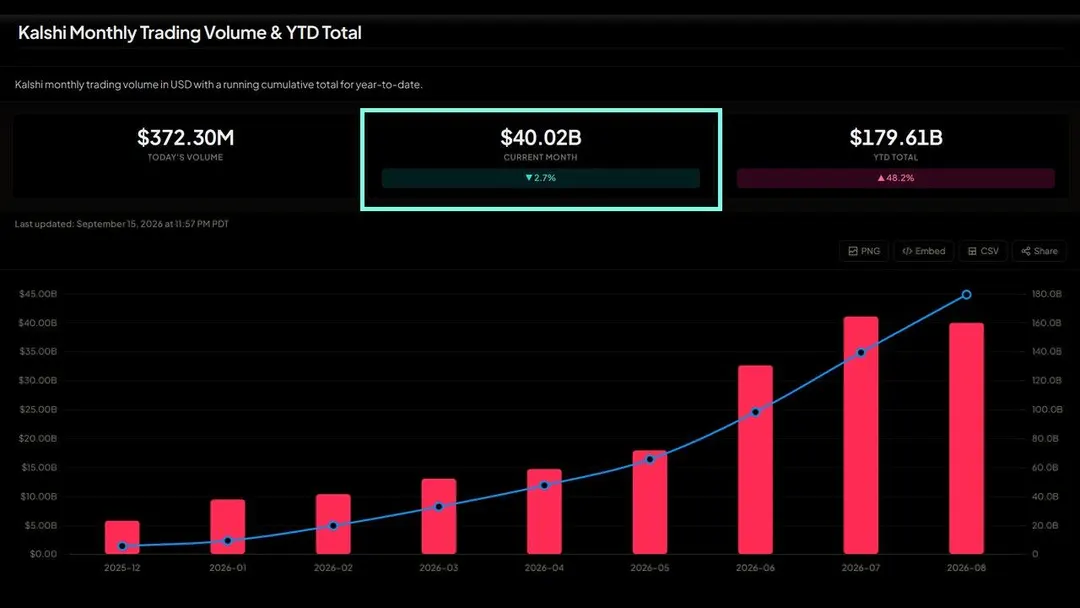
Kalshi hits $40B volume and 80% of US prediction market
Why it matters: Kalshi's case shows a regulated market can grow without new legislation, weakening the argument for the CLARITY Act.

Circle launches Arc blockchain for payments and tokenized assets
Why it matters: Arc strengthens Circle's position in stablecoin infrastructure as banks and payment giants enter the market.

Hyperliquid whale with 99% win rate adds $1.36M XRP long
Why it matters: A large long from a high-win-rate trader signals belief in an XRP rebound, but further market declines could add selling pressure.
Tokenized S&P 500 fund becomes second-most traded on Base
Why it matters: The growth of tokenized stocks on Base shows demand for on-chain access to traditional assets and DeFi collateral.
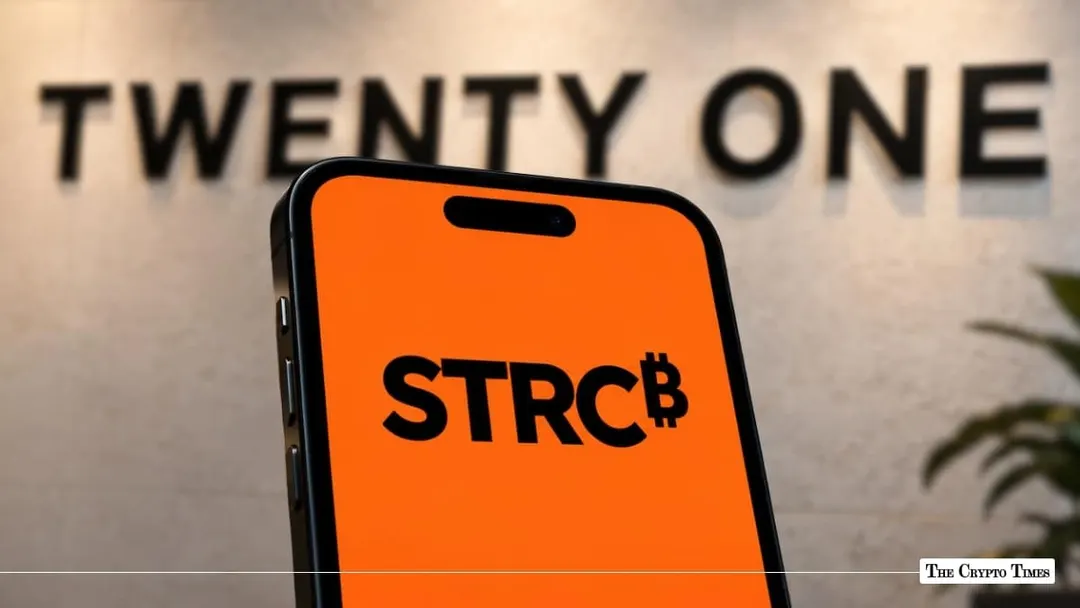
Twenty One Capital weighs STRC-style preferred stock to buy Bitcoin
Why it matters: If XXI issues an STRC-like instrument, it would provide another funding channel for BTC purchases and could set an example for other public Bitcoin companies.
Cumberland starts selling PONS after accumulating 17.64M tokens
Why it matters: A major market maker's sell-off could add pressure on the PONS price after its recent rally.

ETH risks 10% drop against Bitcoin as double top forms on ETH/BTC chart
Why it matters: A neckline break would accelerate capital rotation out of ETH into BTC amid regulatory uncertainty after the CLARITY Act's failure.
Trump's $1.4B crypto income called cause of failed US crypto bill
Why it matters: The bill's failure delays clear rules for the US crypto market and adds pressure on assets.

Indian parliamentary committee ends crypto hearings without a bill
Why it matters: India remains without legal clarity for crypto: the absence of regulation heightens fraud and capital flight risks, while the market awaits the committee's report.