Crypto news today

Pi Network falls 14% to $0.083 after CLARITY Act fails
Why it matters: PI remains one of the weakest assets in the top 100; holding the $0.075-$0.085 support will determine whether a rebound to $0.10 occurs.
Jupiter Earn to wind down JUICED Loop strategy by end of September
Why it matters: Closing the leveraged strategy reduces yield and liquidity in the Jupiter ecosystem, but the base product remains.

Moscow Exchange plans to launch crypto trading on December 1
Why it matters: The launch on Russia's largest venue will broaden access to crypto instruments, but the 300,000 ruble limit and fragmented liquidity will cap the effect.

AVAX falls 3.65% to $7.25 after CLARITY Act fails
Why it matters: The altcoin's decline coincided with systemic ETF outflows rather than protocol issues, so the market reaction may be short-lived.
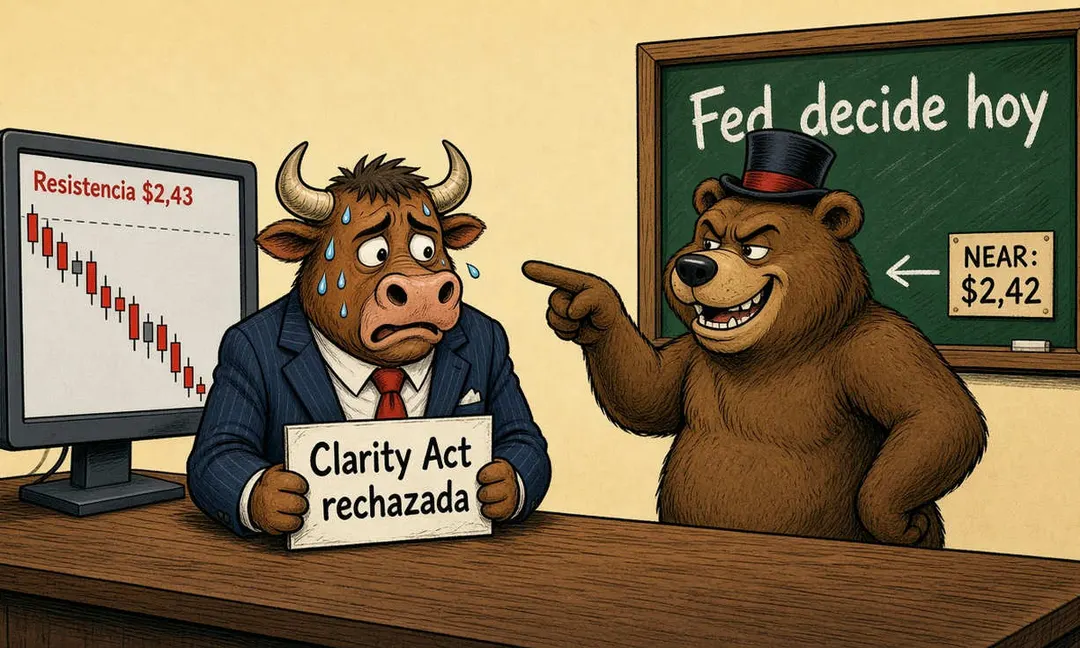
NEAR holds at $2.42, down just 0.55% after CLARITY Act fails
Why it matters: NEAR's resilience amid the altcoin selloff after the CLARITY Act failure shows real demand, but the Fed's rate decision could trigger profit-taking.

Armstrong urges SEC and CFTC to write crypto rules after CLARITY Act fails
Why it matters: The bill's failure shifts crypto regulation to the SEC and CFTC, which will speed up rulemaking but without legislative certainty.

Two Prime launches $10 million bitcoin yield vault for institutions
Why it matters: The expansion of institutional bitcoin products strengthens demand for BTC as collateral in on-chain finance.

Bitcoin traders brace for Fed rate hike, but a pause may be riskier
Why it matters: The Fed's decision will set bitcoin's direction: a pause instead of the expected hike could trigger sharp volatility.
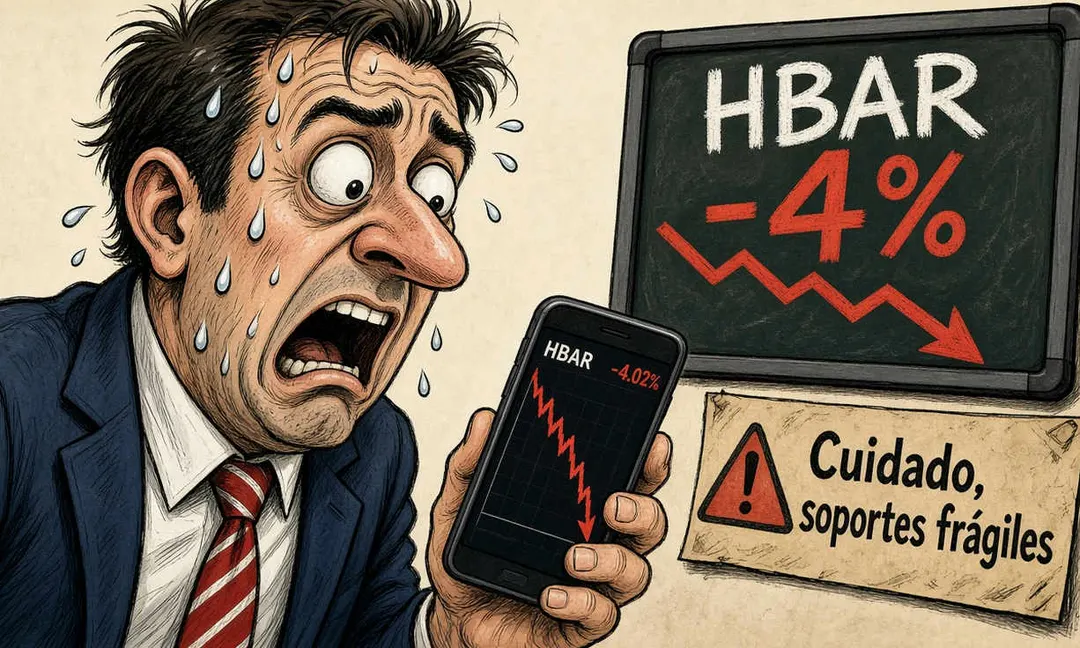
HBAR falls 4.05% to $0.074, losing short-term support
Why it matters: The drop on elevated volume points to speculative capital revaluing positions ahead of the CLARITY Act vote.
SlowMist: KREMLIN malware updates C2 via Ethereum smart contracts
Why it matters: It shows a new vector for abusing blockchain to covertly control malware, complicating efforts to block attack infrastructure.

Paribu becomes launch partner for Circle's Arc network in Turkey
Why it matters: The integration expands access to USDC payments on Arc for the Turkish market and MENA through CoinMENA.
KuCoin Web3 Wallet adds support for Arc mainnet
Why it matters: A growing number of wallets supporting Arc accelerates adoption of Circle's network and its stablecoin infrastructure.
Hyperscale Data holds 216.95 BTC worth $16.7 million
Why it matters: Another corporate bitcoin reserve disclosure confirms the trend of public companies accumulating BTC.
CLARITY Act failure triggers $300 million in long liquidations
Why it matters: The U.S. crypto market structure bill has stalled again, increasing regulatory uncertainty and pressure on the market.
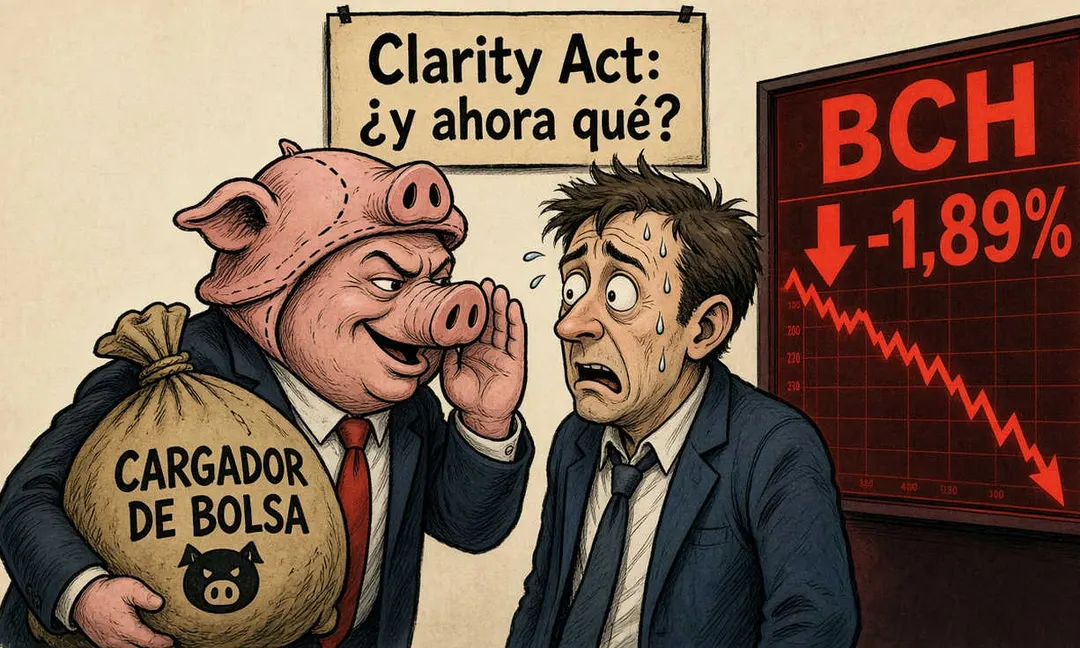
BCH falls to $218.67 amid CLARITY Act failure in Senate
Why it matters: The CLARITY Act failure prolongs uncertainty over BCH's legal status in the U.S. and weighs on the asset along with the broader market.

Circle mints $750M USDC on Solana
Why it matters: The growing USDC supply on Solana boosts the network's liquidity and could increase the stablecoin's use in DeFi applications.
Grayscale files with SEC to convert LTCN trust into spot Litecoin ETF
Why it matters: The conversion would eliminate LTCN's structural discount, but Grayscale is entering the Litecoin ETF market late, which will limit capital inflows.

JPMorgan doubts institutional stablecoin demand, Tether CEO responds with mockery
Why it matters: The dispute reflects the rift between TradFi and the crypto industry over institutional stablecoin demand, which shapes market growth forecasts.

CoinEx opens withdrawals immediately on closure, BitMart users wait over two months
Why it matters: The case shows that the manner of an exchange's closure determines user trust, but does not save the platform token from collapse.
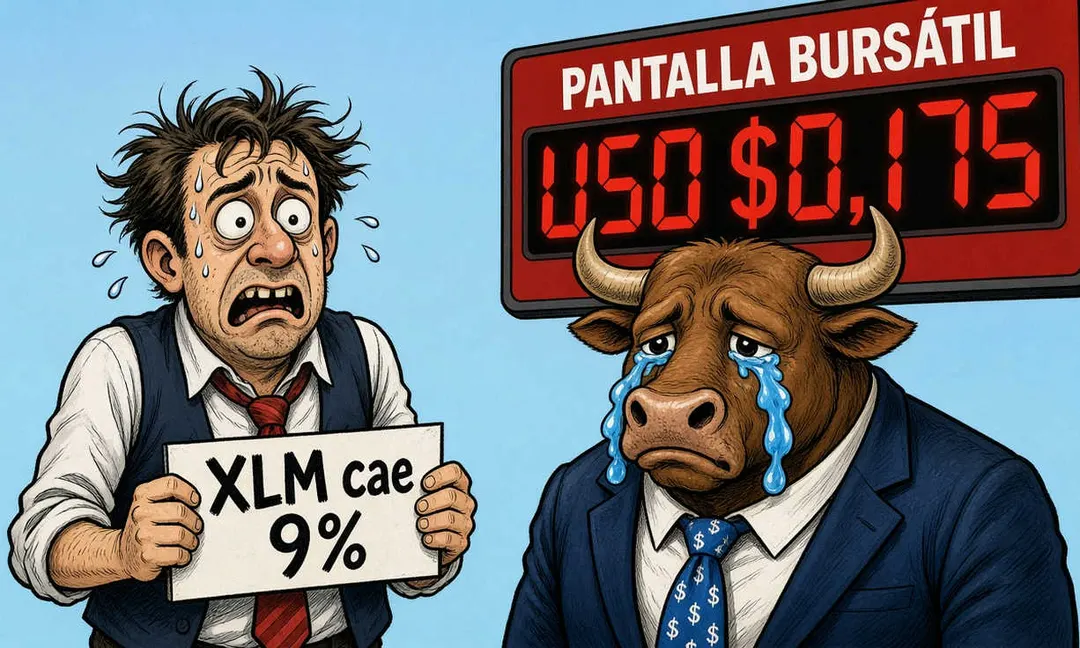
XLM drops 9.13% to $0.175 amid over $620M in liquidations
Why it matters: Losing the $0.173 support could open the way lower, but holding the level keeps alive the chance of a rebound in the $0.173–0.197 range.