Crypto news today
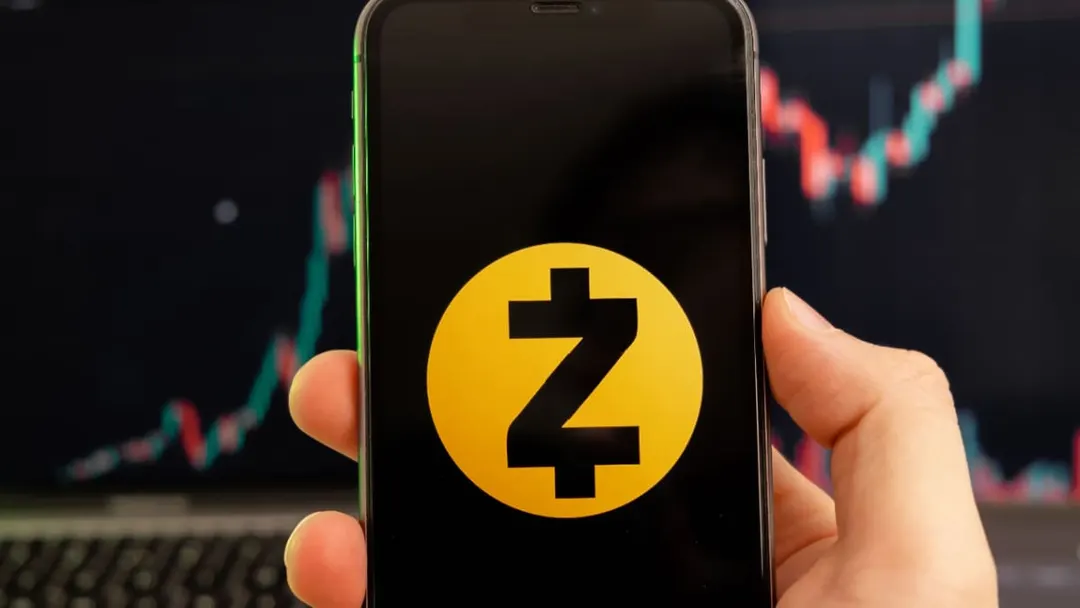
Zcash up 25-fold in a year to become the largest privacy coin
Why it matters: Privacy coins are rising despite the broader market correction as investors price in demand for anonymity.

Bitcoin nears $80,000 on hopes for an end to the Middle East conflict
Why it matters: Easing geopolitical risks and lower oil support risk assets; a close above $80,000 would signal continued gains.

Trader Machi Big Brother loses $5 million on 40x BTC long
Why it matters: The case highlights the risks of aggressive leverage on Hyperliquid and could add pressure on ETH at the $2,400 support.
Bitcoin at $75,940: Aroon points to sellers, target $72,547
Why it matters: Ahead of the Fed decision, the market is vulnerable: losing $75,000 could accelerate a drop to $74,800 and $72,547.

Bybit receives commendation from Korean police for cyber investigation support
Why it matters: Regulatory recognition strengthens Bybit's reputation in Asia and sets a standard for exchange cooperation with law enforcement.

CoinShares: miners to earn up to 70% of revenue from AI infrastructure by end-2026
Why it matters: The shift of capacity to AI reduces hashrate and BTC selling pressure, but makes miners dependent on the computing market.

Kazakhstan to write off crypto tax debts if assets moved to licensed platforms
Why it matters: The amnesty could bring a significant portion of Kazakhstanis' crypto assets back into the regulated perimeter and set a model for other jurisdictions.
TD Sequential gives Bitcoin buy signal ahead of Fed decision
Why it matters: A technical buy signal against a hawkish Fed: if the rate hike is already priced in, the announcement could remove pressure from BTC.

San Diego approves warning signs on crypto ATMs
Why it matters: Local measures to protect against crypto ATM scams could set an example for other US cities.
Bitcoin at four-week low ahead of Fed decision after CLARITY Act failure
Why it matters: Without federal legislation, US crypto businesses depend on regulatory decisions that can change with administrations, holding back institutional investment.

ETHFI Falls 3.73% to $0.597 After CLARITY Act Fails
Why it matters: ETHFI's decline stems from a market-wide selloff after the CLARITY Act's failure rather than protocol issues; a break below $0.58 could trigger a test of the 50-day SMA at $0.511.

SKY Drops 7.41% to $0.059 Amid Risk-Off
Why it matters: The drop is driven by a market-wide selloff rather than protocol-specific events, so a rebound from the $0.0579 support is possible if the market stabilizes.

PONS Falls 6.97% to $0.587 Amid Risk-Off After CLARITY Act Fails
Why it matters: PONS's decline reflects broad risk-off after the CLARITY Act's failure rather than project-specific problems; a rebound is possible if support at $0.5735 holds.
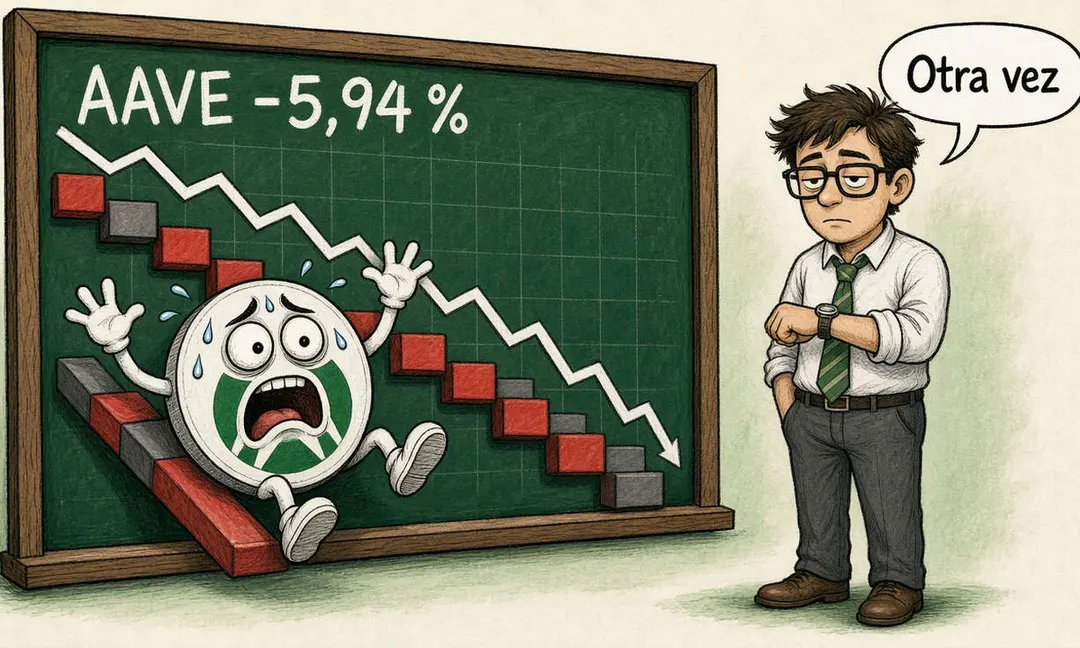
AAVE Falls 5.94% to $119.99 on CLARITY Act Failure, V4 Dispute
Why it matters: The CLARITY Act's failure is pressuring high-beta DeFi tokens, and the contentious V4 tokenomics could add further pressure on AAVE.
Payward to Launch Hyperliquid Perpetual Futures for U.S. Clients
Why it matters: The arrangement tests a model in which DeFi infrastructure operates under the regulated U.S. derivatives market, potentially opening the door for other on-chain protocols.

Solana Falls to $97.34, Risk of Drop to $60 If Support Breaks
Why it matters: A break below support at $98 and $96.40 would increase pressure on altcoins, while a return above $104 would restore the $193 target.
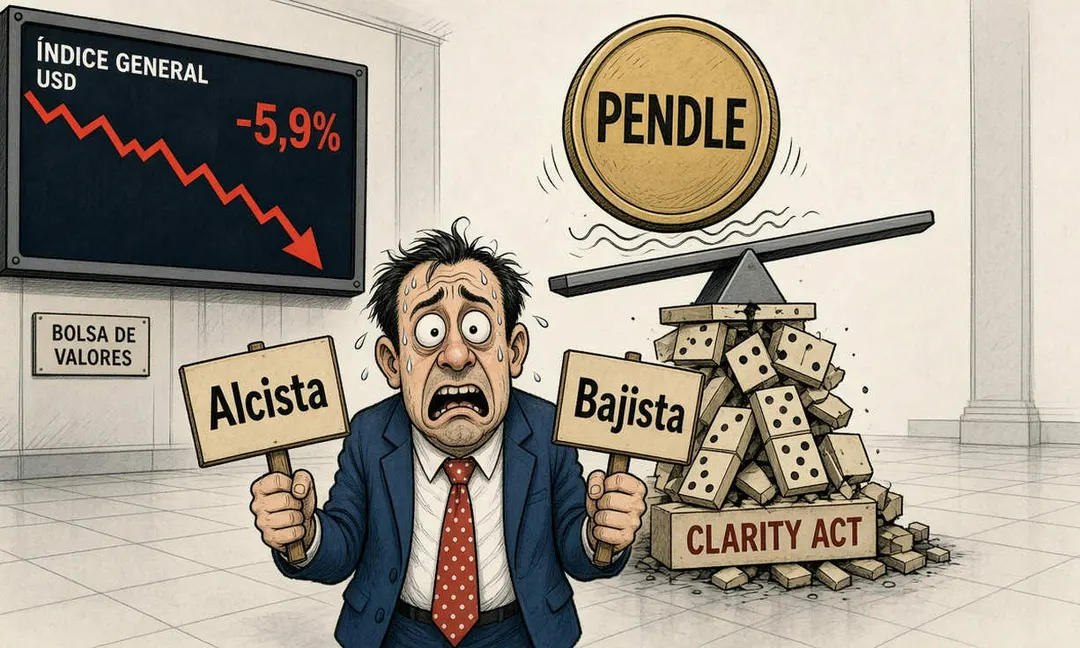
PENDLE Falls 5.9% to $2.21 After CLARITY Act Fails
Why it matters: PENDLE's decline was driven by broad risk-off after the CLARITY Act's failure rather than protocol problems; the technical structure remains bullish.
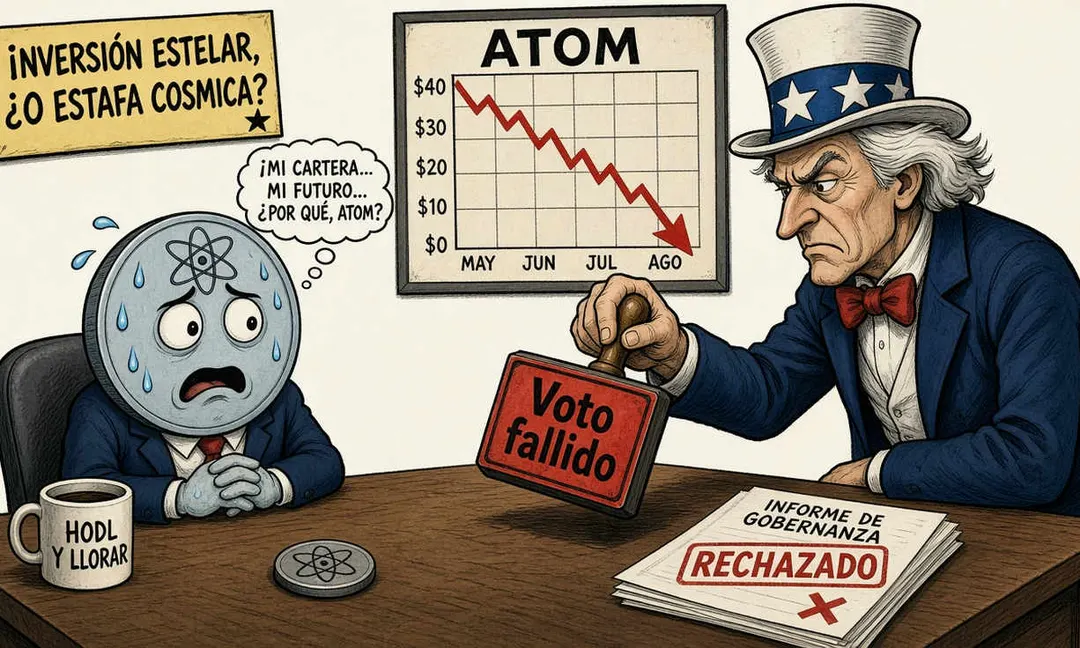
ATOM Falls 5.57% to $1.49 After CLARITY Act Fails
Why it matters: The CLARITY Act's failure intensified risk-off in altcoins; ATOM remains under pressure absent its own growth catalysts.

Trump and Melania memecoins down 97% and 99% from peaks
Why it matters: The collapse of the US first family's memecoins shows that political tokens lose almost all their value once the hype fades.

Blockfusion signs 15-year, 300 MW contract for AI loads
Why it matters: Another miner is shifting to AI infrastructure, reducing the share of capacity dedicated to bitcoin and intensifying competition for energy.