Crypto news today

Securitize: tokenized securities don't depend on CLARITY Act
Why it matters: Asset tokenization can develop without new U.S. legislation, reducing the industry's dependence on the fate of the CLARITY Act.
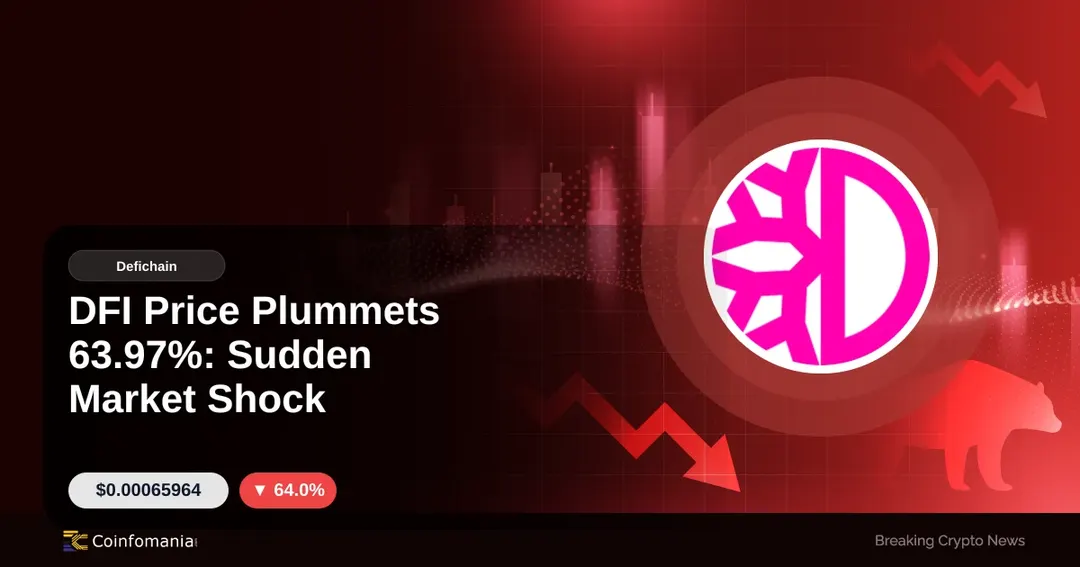
DFI plunges 63.97% in an hour to $0.00066
Why it matters: The crash on extremely low liquidity shows how fragile small tokens remain when the order book is thin.

Venice hits 250 billion tokens per day, up 150% since June
Why it matters: Venice's rising load shows demand for private AI services paid for in tokens, supporting the VVV model.

Saxo: Coinbase is the hardest hit by CLARITY Act failure
Why it matters: The assessment indicates that the U.S. regulatory pause hits the largest public exchange harder than the rest of the market.
Bitcoin falls below $76,000: Brandt's October 4 bottom call back in play
Why it matters: The bill's failure increased pressure on the market, and Brandt's old bearish forecast is drawing traders' attention again.

Bitfinex: Bitcoin breaks below range, needs real demand to reclaim $77,100
Why it matters: The range breakdown ahead of the Fed decision raises the risk of a drop to $73,500, while a return to $77,100 would require genuine demand rather than just short covering.

Santiment: CLARITY Act failure explains only 1.7% of market drop
Why it matters: Santiment's estimate shows the sell-off was driven mainly by Fed expectations, not just the bill's failure.
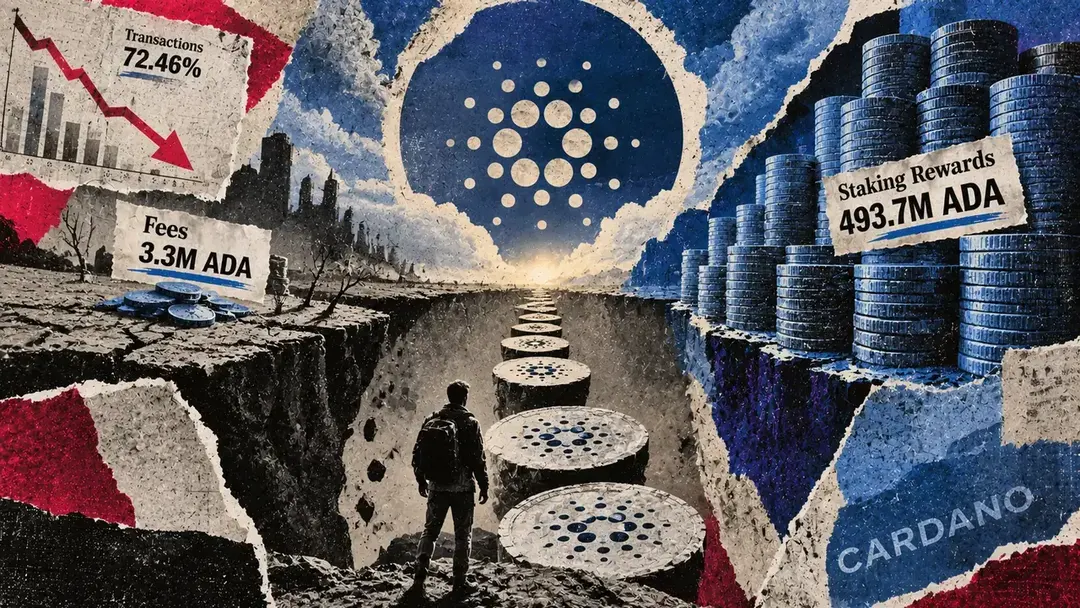
Cardano: fees covered only 0.7% of staking rewards, transactions down 72%
Why it matters: The gap shows Cardano's rewards are sustained by reserve emissions rather than fees, and the network needs real activity growth to be sustainable.
Citi: Fed to hike this week in a 'calibration,' not a new cycle
Why it matters: A Fed rate hike would increase pressure on risk assets, including Bitcoin and the crypto market.
CFTC to regulate crypto without Congress after CLARITY Act failure
Why it matters: US crypto regulation is shifting from Congress to the CFTC, giving the industry partial clarity but leaving rules vulnerable to changes in power.

NEAR Protocol launches direct deposit from Tron with withdrawal to Ethereum
Why it matters: Simpler transfers between Tron and Ethereum could increase cross-chain volumes and intensify competition among interoperability solutions.

Hoskinson explains CLARITY Act failure: too broad, no consensus
Why it matters: The CLARITY Act's failure leaves the US crypto market without clear rules, and the debate over splitting regulation will shape Congress's next steps.
Kaspa falls 5.3% amid CoinEx closure and market pressure
Why it matters: CoinEx's exit reduces Kaspa liquidity, while broad risk-off ahead of the Fed decision adds pressure on mid-cap assets.
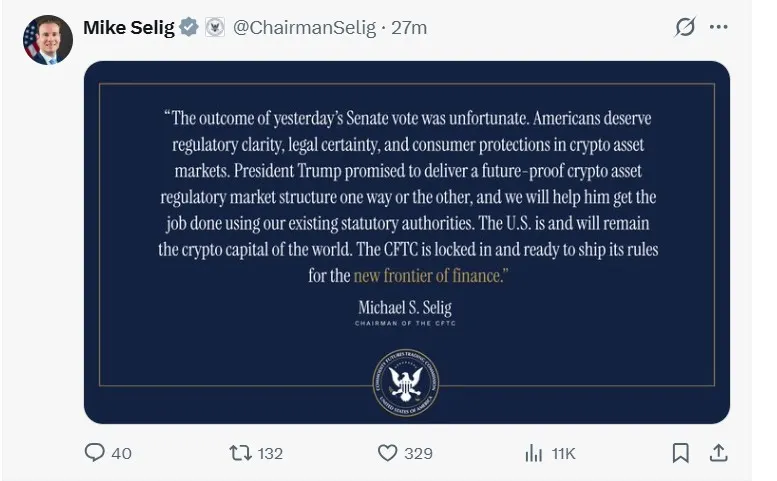
CFTC Chair Selig: US will remain crypto capital, regulator to chart its own course
Why it matters: A signal that US crypto regulation will continue through the CFTC even without new legislation, reducing uncertainty after the failure of the CLARITY Act.
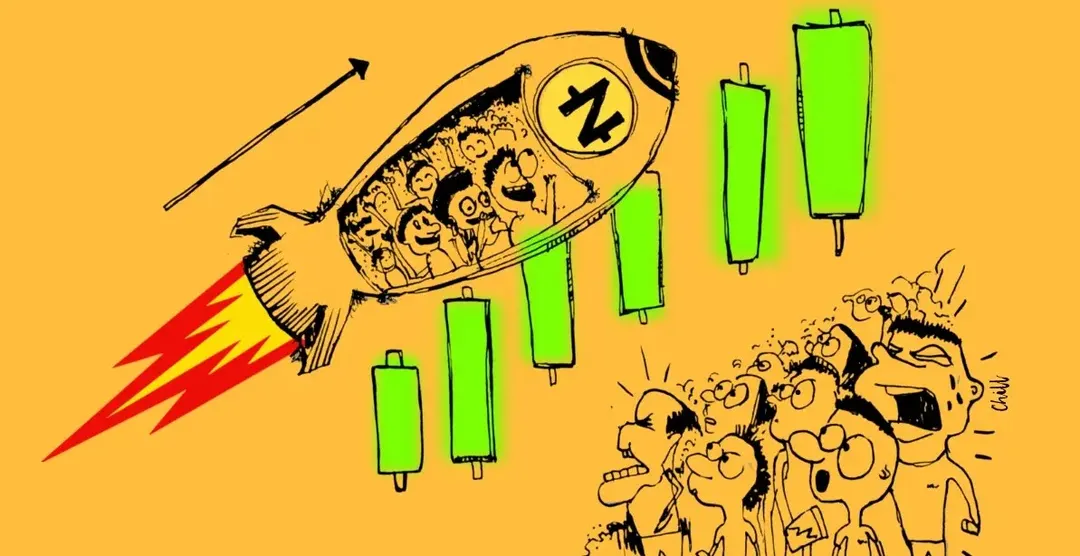
Zcash breaks $1,229 and enters top 10 cryptocurrencies with $20.73B market cap
Why it matters: Privacy coins are up more than 200% from previous highs, and Zcash leads the segment, attracting institutional interest.

Santiment: 85 new XRP wallets worth $1M appeared before 67% rally
Why it matters: Accumulation by large holders before the rally points to informed demand, but without a return above $1.65 the risk of a drop to $1.10 remains.

DOGE falls to $0.079: whales bought 240M coins, but exchange outflows weigh on price
Why it matters: The break below the 50-day EMA threatens a drop to $0.069 if the price closes below support for three consecutive days; a return above $0.086 would open the way to $0.093.

Ethereum and Base split on account abstraction standards
Why it matters: Fragmentation of standards will force wallets to support two transaction formats, slowing the adoption of native account abstraction.
Investors flee to stablecoins ahead of Fed decision: net buying rises to 28%
Why it matters: The shift of capital into stablecoins ahead of FOMC signals caution: the rate decision and Warsh's tone will set the direction for BTC and altcoins.

Copper integrates with Arc blockchain for institutional settlements
Why it matters: It expands institutional infrastructure around Arc and intensifies competition for settlement services for large clients.