Crypto news today

Coinbase to launch spot trading for BLUE CHIP on September 16
Why it matters: The Coinbase listing broadens access to BLUE CHIP and could support its price through new demand.
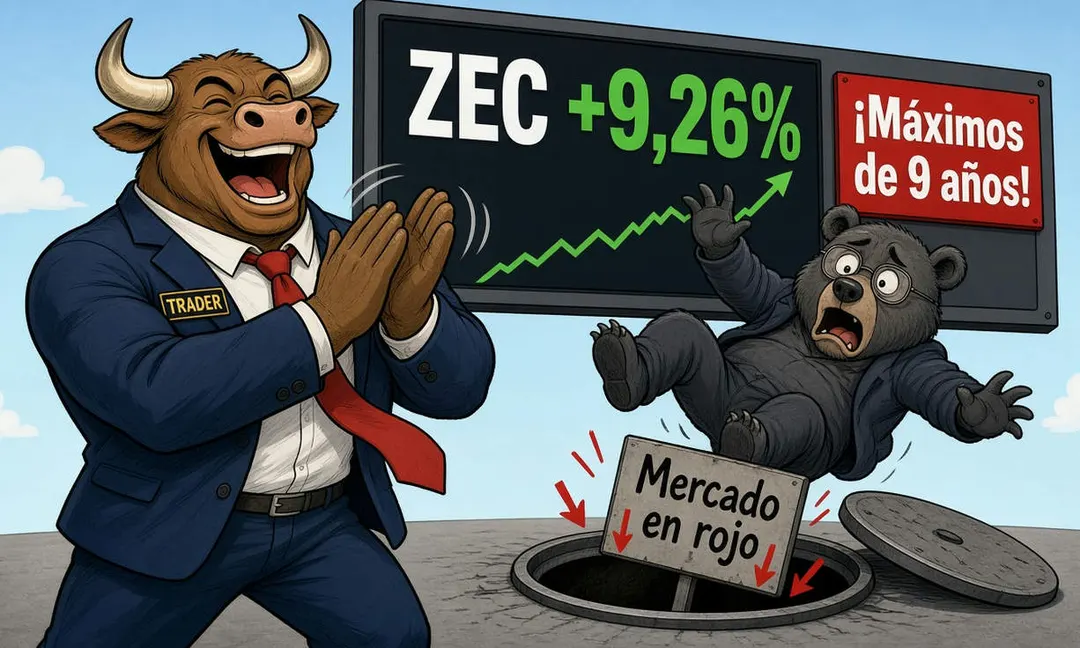
ZEC rises 9.26% to $1,265 against a red market
Why it matters: ZEC is showing strength against a falling market, but overbought conditions and long liquidations raise the risk of a correction.
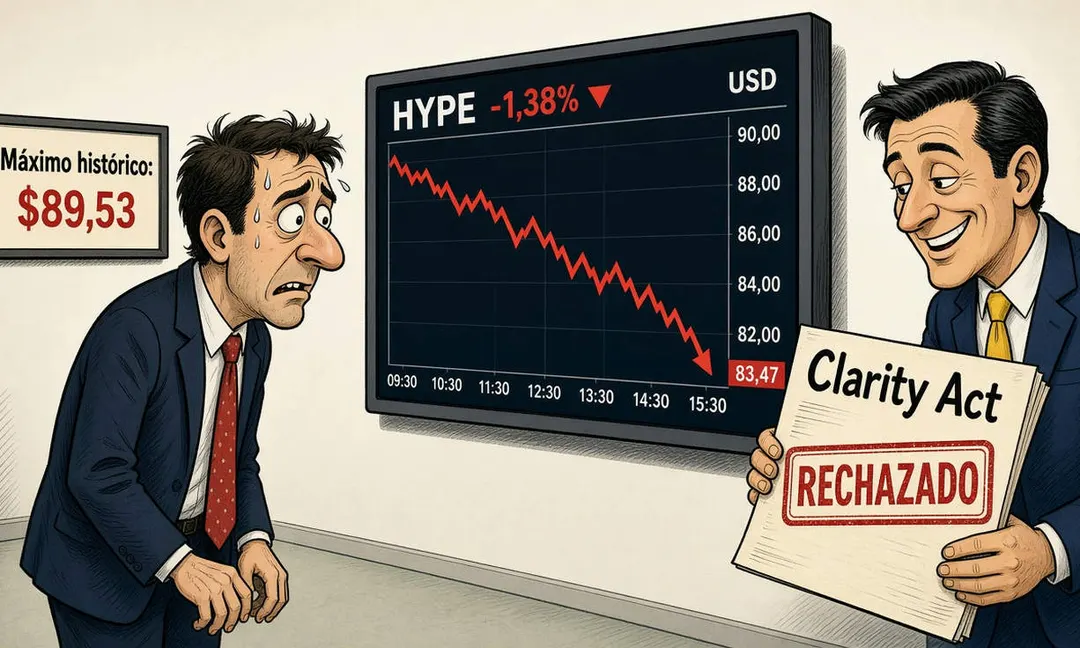
HYPE trades at $78.68, 12% below its all-time high
Why it matters: HYPE's correction reflects market caution after the CLARITY Act failure, but expanded access through Kraken could support the price.
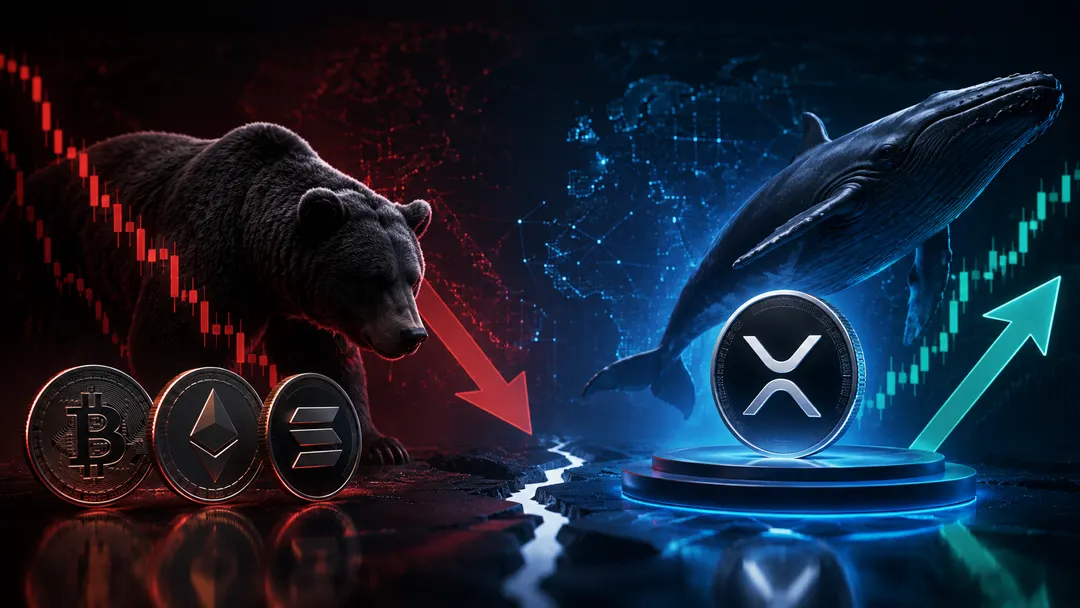
XRP falls 10% to $1.27, tests $1.20 support ahead of Fed decision
Why it matters: The Fed decision and holding the $1.20 support will determine whether XRP continues falling to $1.10 or begins a recovery.
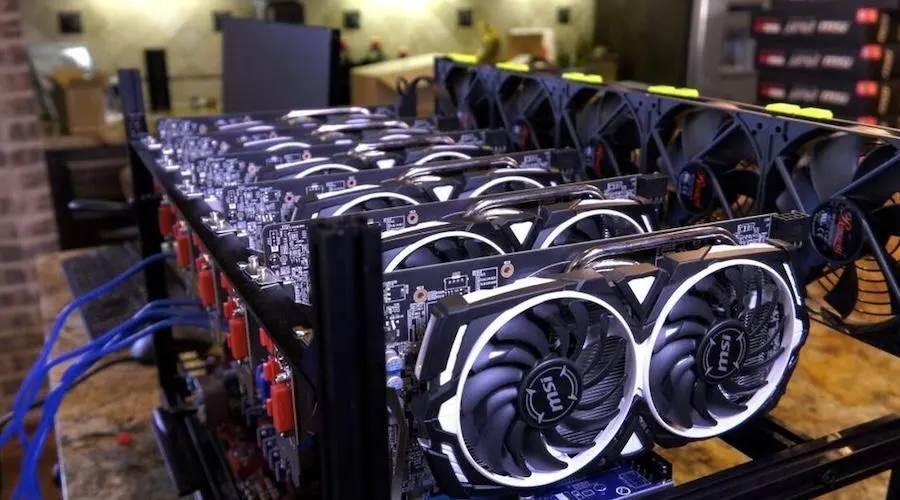
Russia's FAS proposes banning energy firms from operating mining infrastructure
Why it matters: Restricting miners' access to energy capacity will increase pressure on the industry in Russia and accelerate the shift of capacity to AI loads.
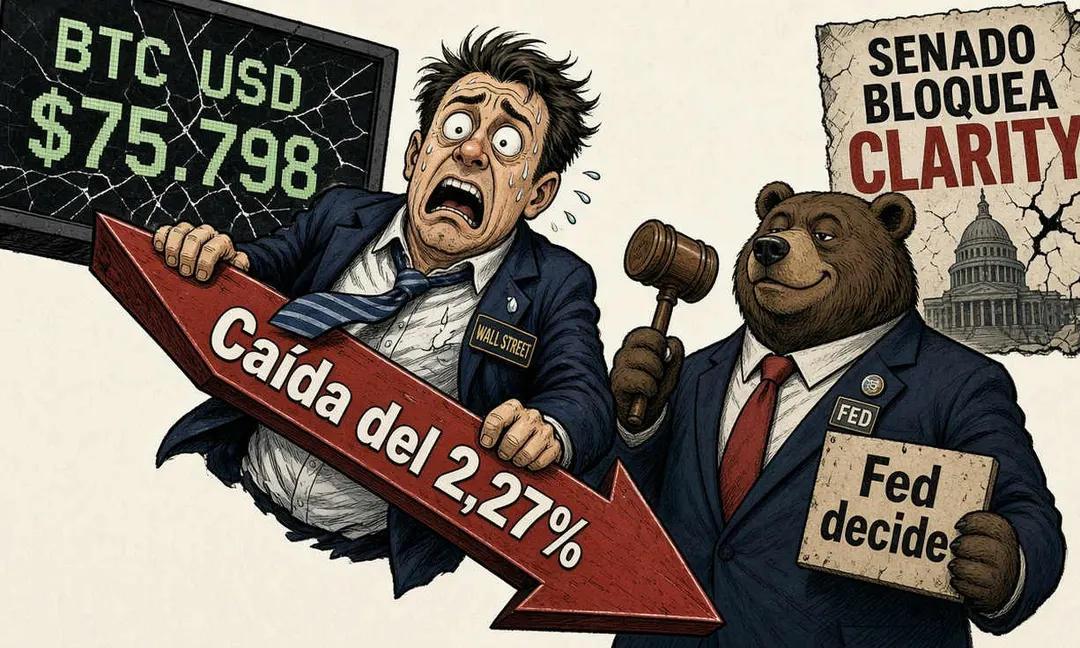
Bitcoin falls 2.27% to $75,798 amid Fed decision and CLARITY Act failure
Why it matters: The market is caught between the Fed's rate decision and a regulatory pause in the US; a rebound is possible but requires clarity on rates and the CLARITY Act.

Anchorage adds custody support for Etherlink and tokenized uranium
Why it matters: It expands institutional access to tokenized commodity assets and the Etherlink network.

Uniswap integrates Arc across all protocol versions
Why it matters: Growing stablecoin liquidity on Arc will intensify DEX competition and could increase Uniswap's trading volumes.

Komainu partners with Circle for Arc mainnet launch
Why it matters: Support from a major custodian strengthens institutional confidence in the Arc ecosystem and the USDC stablecoin.

Avalanche to support UAE digital wallet and South Korea market tokenization
Why it matters: Institutional adoption of Avalanche is growing, but the network's role in the Korean project has not yet been officially confirmed.

Finam to launch crypto funds via Kazakhstan infrastructure
Why it matters: Kazakhstan is becoming a hub for Russian brokers, expanding access to crypto products in the region.

Robinhood CEO invites developers to join Robinhood Chain ecosystem
Why it matters: A signal of developer recruitment for Robinhood's L2: rising network activity could intensify competition with Base and Hyperliquid.

BTIG initiates American Bitcoin at Buy with $15 price target
Why it matters: ABTC shares are down 69% year-to-date, and BTIG's rating could draw attention to the gap between its BTC treasury and market capitalization.
ZEC rises 11% to $1,250 despite selloff after CLARITY Act failure
Why it matters: ZEC is rising against the market on the back of NU7 approval, reinforcing its status as the leading privacy coin, but a 0.84% weekly decline points to high volatility.

Securitize: tokenized securities don't depend on CLARITY Act
Why it matters: Asset tokenization can develop without new U.S. legislation, reducing the industry's dependence on the fate of the CLARITY Act.
DFI plunges 63.97% in an hour to $0.00066
Why it matters: The crash on extremely low liquidity shows how fragile small tokens remain when the order book is thin.

Venice hits 250 billion tokens per day, up 150% since June
Why it matters: Venice's rising load shows demand for private AI services paid for in tokens, supporting the VVV model.

Saxo: Coinbase is the hardest hit by CLARITY Act failure
Why it matters: The assessment indicates that the U.S. regulatory pause hits the largest public exchange harder than the rest of the market.
Bitcoin falls below $76,000: Brandt's October 4 bottom call back in play
Why it matters: The bill's failure increased pressure on the market, and Brandt's old bearish forecast is drawing traders' attention again.

Bitfinex: Bitcoin breaks below range, needs real demand to reclaim $77,100
Why it matters: The range breakdown ahead of the Fed decision raises the risk of a drop to $73,500, while a return to $77,100 would require genuine demand rather than just short covering.