Crypto news today
Strategy resumes bitcoin purchases: 4,603 BTC for $370 million
Why it matters: Strategy's purchase volumes are too small to move the price — the impact comes through sentiment, not order flow.
Morgan Creek CEO: bitcoin is undervalued, fair price is $105,000
Why it matters: The statement from a major institutional manager supports the narrative of BTC being undervalued amid a weak market.

Hackers breach HBO Max Reddit account to spread crypto malware
Why it matters: Hacks of major brands on social media remain a working delivery channel for crypto malware, raising risks for users' wallets.

Strategy buys back nearly $1 billion of STRC preferred stock to stabilize price
Why it matters: Strategy has shifted capital from buying BTC to supporting its own instrument, changing its usual bitcoin accumulation model and affecting the company's valuation.
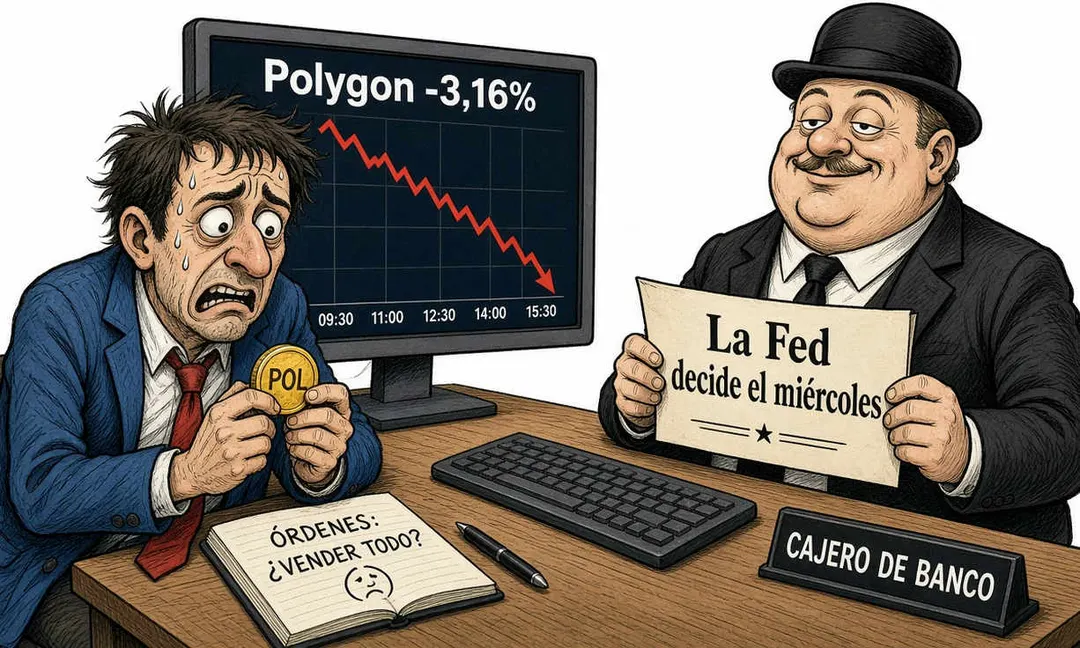
POL falls 3.16% to $0.092 ahead of Fed decision
Why it matters: POL remains sensitive to macro cycles and market deleveraging; a break below $0.0905 would increase pressure on L2 altcoins.
KAS risks drop to $0.025 after CLARITY Act fails
Why it matters: KAS remains hostage to broader market dynamics: losing $0.025 would reinforce the bearish scenario, while a return above the 200-day EMA would bring buyers back.
VeChain activates Interstellar hard fork on mainnet
Why it matters: Full EVM compatibility simplifies the deployment of Ethereum projects on VeChain, but the impact depends on developers arriving in the coming months.
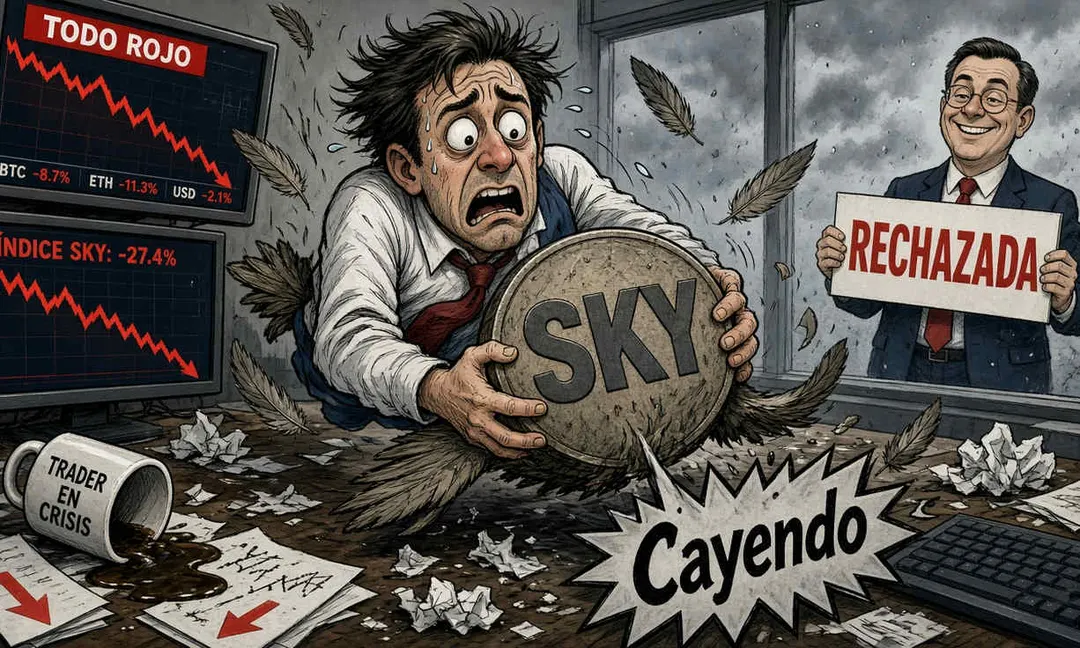
SKY falls 10.93% to $0.0568 amid CLARITY Act failure
Why it matters: SKY is falling with the broader market due to a regulatory shock rather than its own problems; holding $0.0568 will determine the next move.
SHIB returns to $0.0000051–$0.0000052 support, key resistance at $0.00000536
Why it matters: Meme coins are more sensitive to risk-off: with Fed tightening and a weak bitcoin, SHIB could accelerate its decline below support.
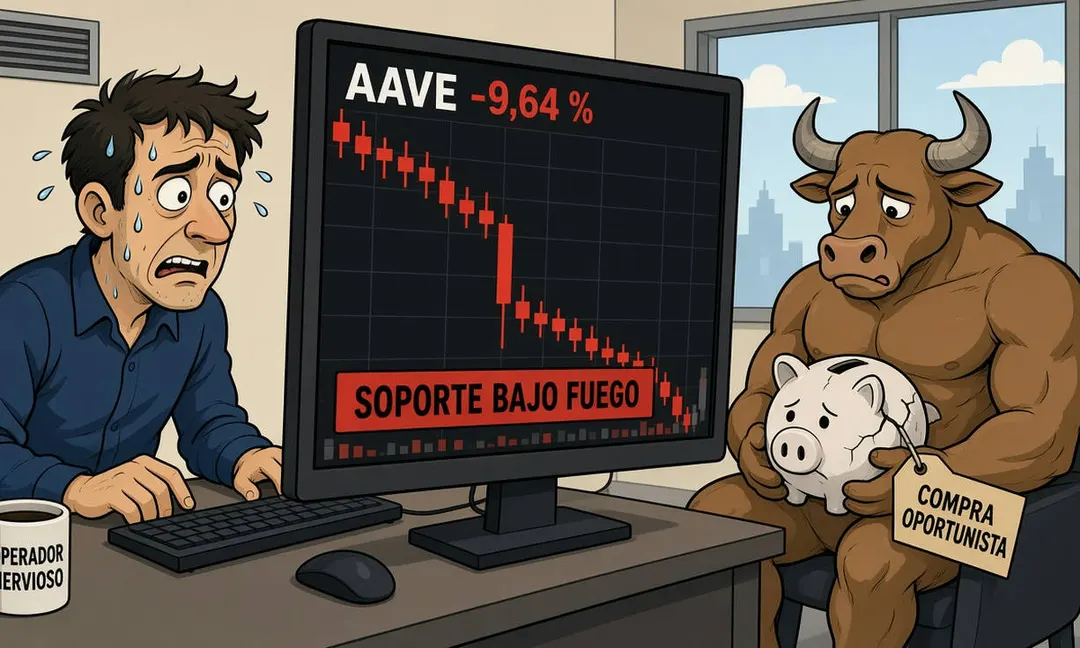
AAVE drops 9.64% to $115.28, tests key support
Why it matters: Losing $115 would open the way to the SMA-50 at $110.25; holding could produce a bounce after an extreme close below the lower Bollinger Band.
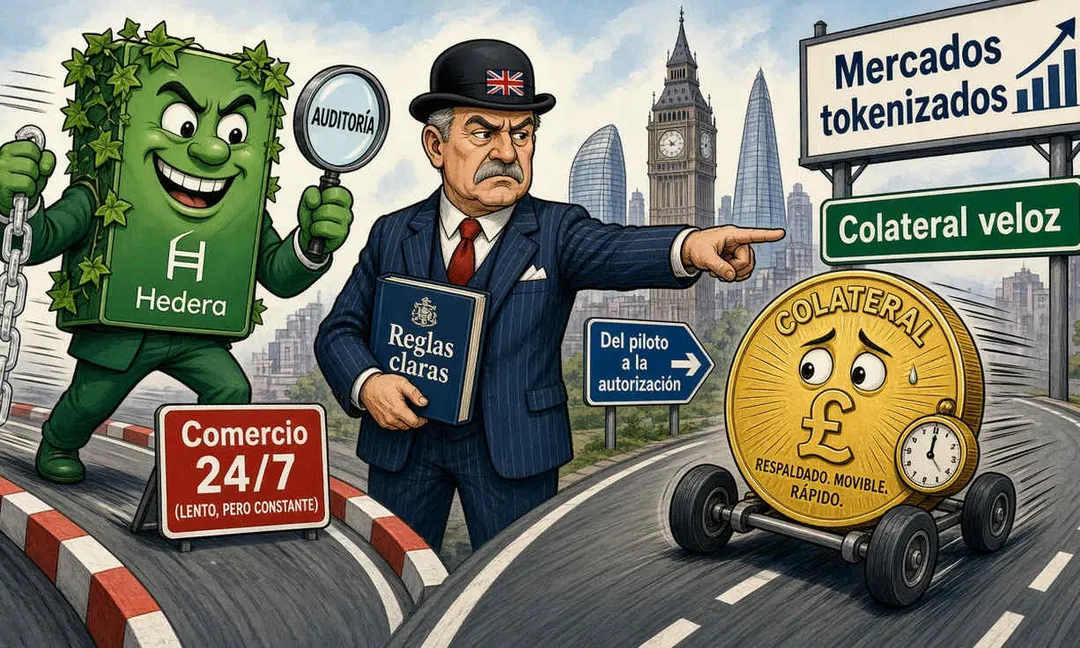
FCA and Bank of England wrap up tokenization consultation: collateral mobility is the priority
Why it matters: The shift from sandboxes to permanent regulation could accelerate institutional tokenization in the UK and set a standard for other jurisdictions.
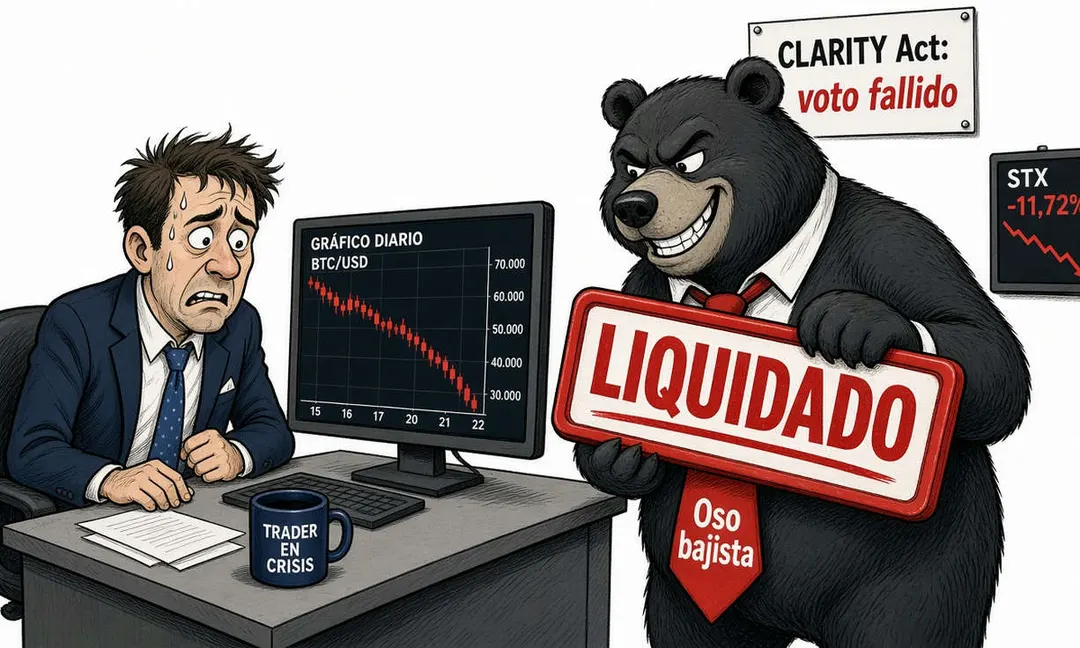
STX falls 11.72% to $0.232 amid liquidations and CLARITY Act failure
Why it matters: As a Bitcoin L2, STX is especially sensitive to US regulatory uncertainty, which reduces the chances of institutional inflows.
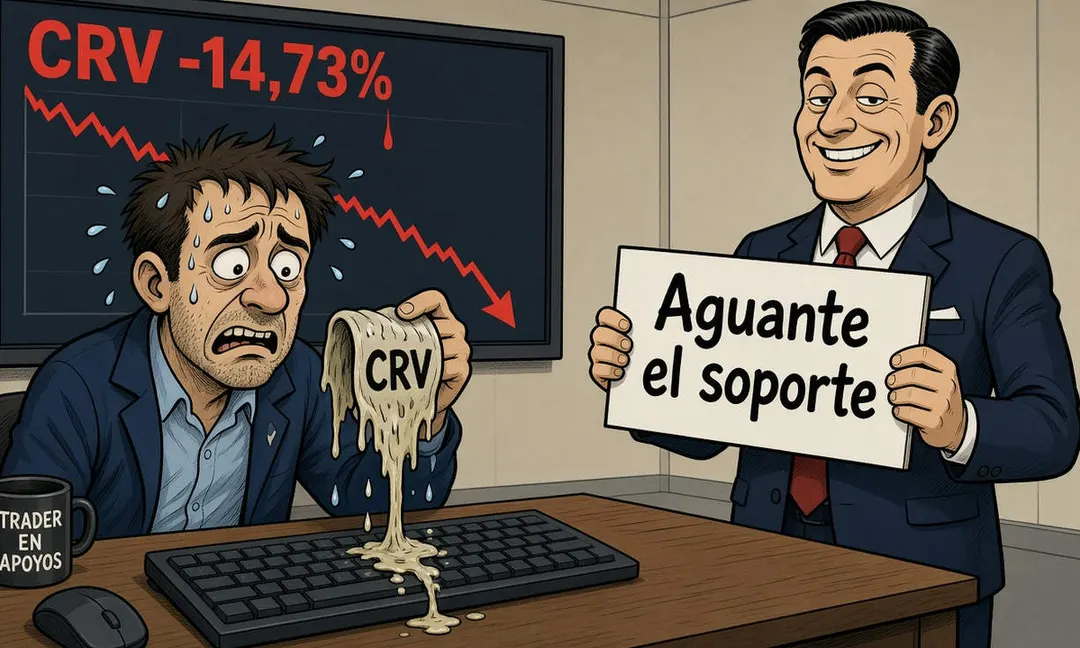
CRV falls 14.73% to $0.30 amid CLARITY Act failure and Fed expectations
Why it matters: Losing $0.2928 would break CRV's medium-term bullish structure; holding the level could produce a technical bounce.

BitGo opens Brazilian subsidiary as tokenization grows
Why it matters: Brazil is becoming a key market for RWA tokenization, and the arrival of a major custodian strengthens the region's institutional infrastructure.
Whale moves 1,604 BTC worth $122M hours before Fed decision
Why it matters: The transfer does not confirm a sale, but it coincided with expectations of a Fed rate hike and pressure after the CLARITY Act's failure.

Politico: crypto industry failed to buy the US Congress
Why it matters: The failure of the industry's lobbying strategy reduces the chances of swift passage of crypto legislation in the US.

Circle launches x402 Facilitator Service on Arc, Base and Polygon PoS
Why it matters: Circle is consolidating the facilitator, blockchain and stablecoin under its own roof, speeding up payments for APIs and AI agents but increasing infrastructure concentration.

Bitcoin Bull Score falls from 80 to 60 ahead of Fed rate decision
Why it matters: A rate hike would intensify pressure on liquidity and could accelerate a BTC sell-off below key support.
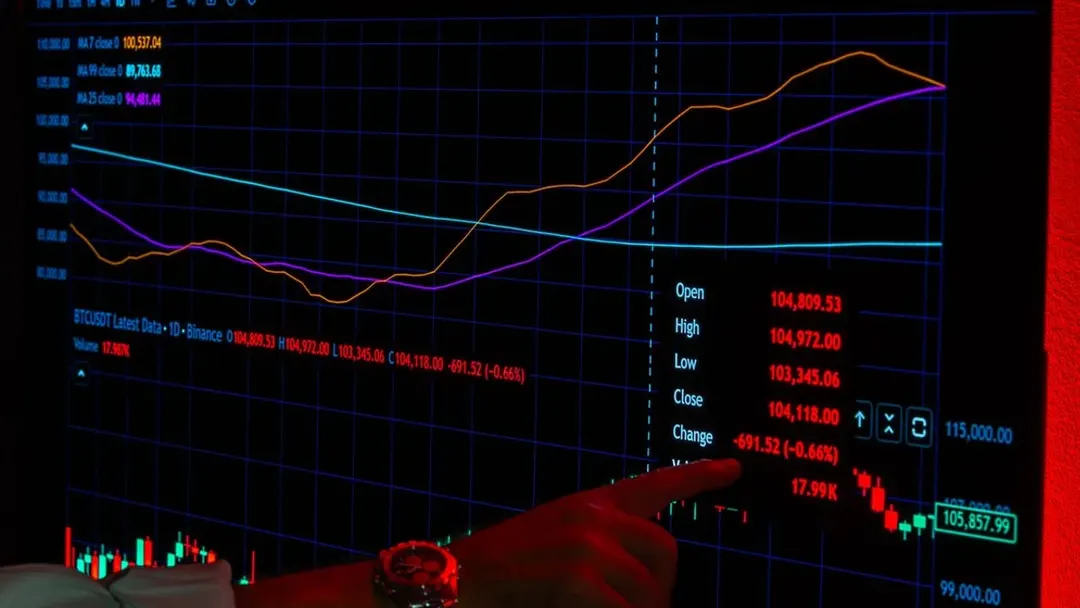
SOL becomes available as collateral on PhoenixTrade
Why it matters: Expanding SOL's use as collateral could boost demand and liquidity for the token if traders begin using it actively.

NFT gacha Fake World Assets launches purchases in V2
Why it matters: The update reduces V1 risks and adds new mechanics, but mainly affects a niche NFT gacha rather than the broader market.