Crypto news today
DGB rises 9.47% in 30 minutes to $0.00416
Why it matters: A small-cap altcoin rising without an obvious catalyst points to returning risk appetite, but volumes are too small for a sustained trend.

CME FedWatch: odds of a 25 bps Fed rate hike in September at 88.7%
Why it matters: Fed tightening weighs on risk assets, including bitcoin and altcoins, ahead of the FOMC meeting.

Coinbase Premium falls to -0.079 as Americans sell BTC after CLARITY Act failure
Why it matters: Selling pressure is concentrated in the U.S. while global demand is steadier, which limits the scale of the BTC selloff.

Canaan hit by a double blow amid crypto market crisis
Why it matters: Pressure on miners heightens the risk of hashrate cuts and BTC sales to cover costs.

Paraguay dismantles illegal Bitcoin mining farm in Ciudad del Este
Why it matters: It continues a series of raids against illegal mining in Latin America, increasing pressure on the industry's shadow segment.

Crypto.com closes real-denominated account amid Brazil central bank tightening
Why it matters: A major exchange's exit from Brazil shows how local capital and licensing requirements are pushing international platforms out of the market.
SEC accuses New Jersey resident of $16 million Ponzi scheme
Why it matters: Another SEC case against crypto fraud increases the regulator's pressure on dishonest schemes in the industry.
Kraken adds USDCx deposits and withdrawals on Aleo network
Why it matters: It expands access to private stablecoins and the Aleo network through one of the largest exchanges.

US House committee approves crypto tax bill H.R. 10357
Why it matters: Narrow tax breaks pass through Congress more easily than comprehensive market regulation, reducing the tax burden on retail users.

Chainalysis adds automatic token support for Arc network
Why it matters: The integration expands compliance infrastructure for the Arc ecosystem, which is important for institutional adoption of Circle's stablecoins.

Evernorth: RLUSD share on XRP Ledger rises to 34%, tokenized assets hit $4.4B
Why it matters: The rising share of RLUSD and tokenized assets on the XRP Ledger signals accelerating institutional adoption of the network.

Digital Chamber backs advancement of digital asset tax bill
Why it matters: Clear tax rules could accelerate institutional investment in crypto in the US.

CLARITY Act failure may open opportunities for crypto ETFs
Why it matters: Investors may reconsider their strategy in favor of ETFs as a way to access crypto without direct regulation.
Tom Lee: the biggest rally of our lifetime will start in Q4
Why it matters: The forecast from the head of Bitmine supports bullish expectations, but contains no new data on Fed policy.
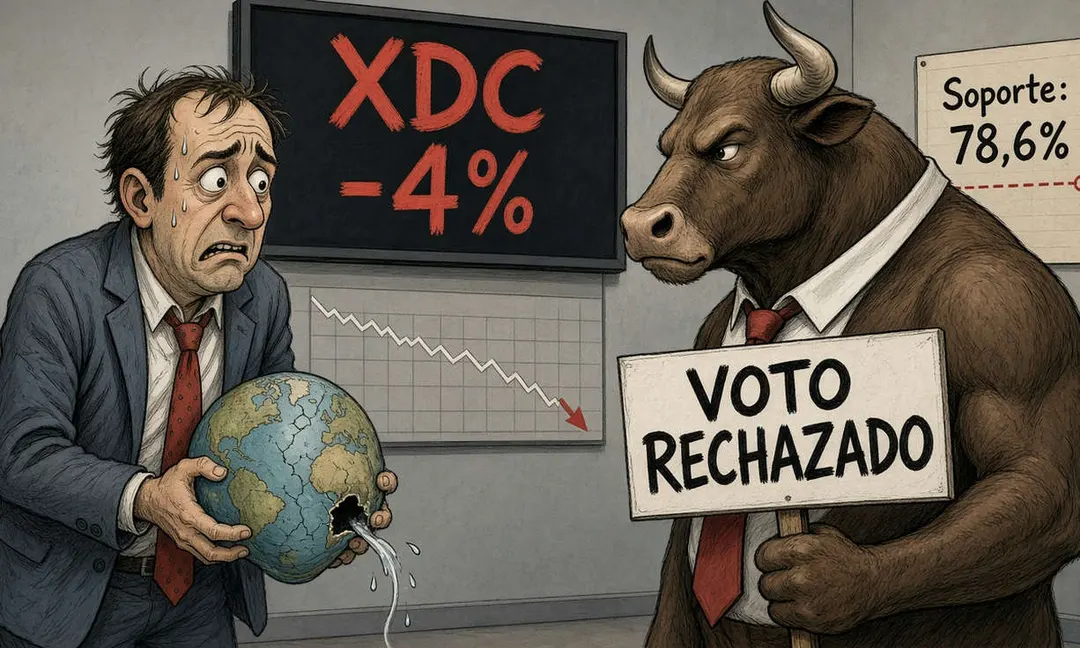
XDC falls 4.09% to $0.0273 after CLARITY Act failure
Why it matters: Regulatory uncertainty in the US is weighing on mid- and small-cap altcoins, pushing institutional capital into BTC and stablecoins.
Strategy resumes bitcoin purchases: 4,603 BTC for $370 million
Why it matters: Strategy's purchase volumes are too small to move the price — the impact comes through sentiment, not order flow.
Morgan Creek CEO: bitcoin is undervalued, fair price is $105,000
Why it matters: The statement from a major institutional manager supports the narrative of BTC being undervalued amid a weak market.

Hackers breach HBO Max Reddit account to spread crypto malware
Why it matters: Hacks of major brands on social media remain a working delivery channel for crypto malware, raising risks for users' wallets.

Strategy buys back nearly $1 billion of STRC preferred stock to stabilize price
Why it matters: Strategy has shifted capital from buying BTC to supporting its own instrument, changing its usual bitcoin accumulation model and affecting the company's valuation.
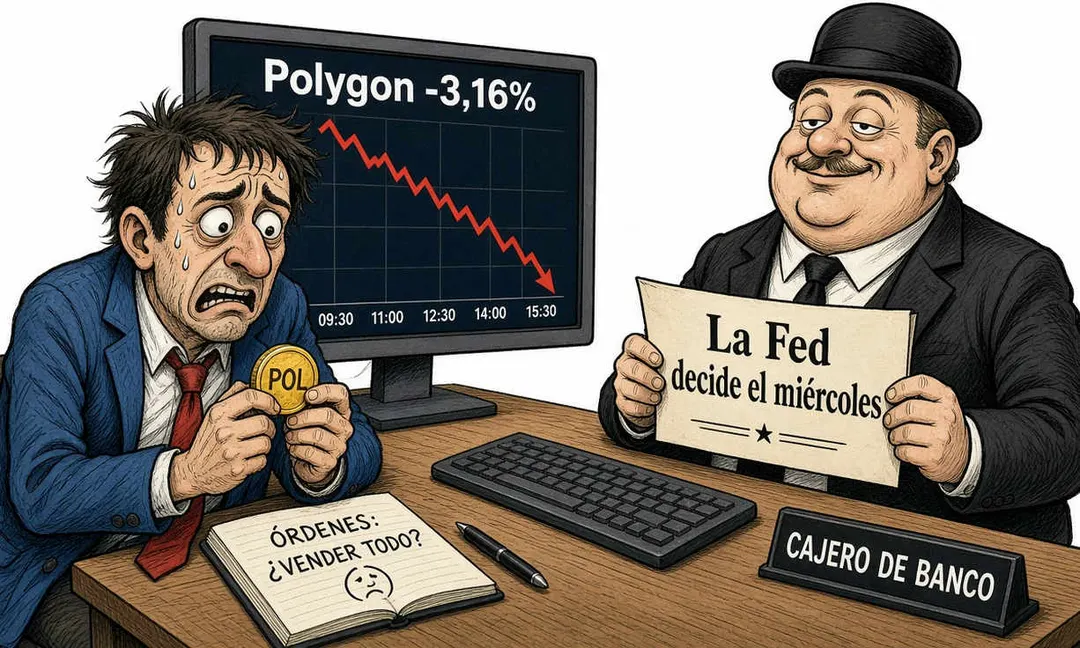
POL falls 3.16% to $0.092 ahead of Fed decision
Why it matters: POL remains sensitive to macro cycles and market deleveraging; a break below $0.0905 would increase pressure on L2 altcoins.