Crypto news today

ESS Frontier sues Ostium seeking arbitration over $15M loan
Why it matters: Legal pressure on Ostium could affect the protocol on Arbitrum and its users, and set a precedent for disputes over DeFi lending.

Spot SOL ETFs draw $836,900 in a day
Why it matters: Inflows into SOL ETFs remain weak amid broad outflows from crypto funds, limiting institutional demand for Solana.

Spot HYPE ETFs draw $1.67M in a day, all via Grayscale
Why it matters: Inflows into HYPE ETFs support institutional demand for the Hyperliquid token amid a weak market.

Vitalik Buterin: AI will make it possible to prove software security in full
Why it matters: The statement sets Ethereum's direction toward formal code verification, which could boost confidence in network security.

Spot XRP ETFs draw $3.5M in a day, all via Franklin XRPZ
Why it matters: Inflows into XRP ETFs remain weak and concentrated in a single fund, offering little support to the XRP price.
Ethena founder launches Ethena Pay neobank on Avalanche with up to 6% yield
Why it matters: Ethena is betting on returning stablecoin yield to users, intensifying competition with USDC and USDT and creating demand for AVAX.

Hong Kong to test tokenization of HK$1.3 trillion in government bonds
Why it matters: Hong Kong is accelerating institutional RWA tokenization and digital settlement, intensifying competition to be Asia's crypto hub.

Crypto market clarity bill introduced in the US
Why it matters: New rules could determine which tokens are considered securities and affect listings and exchange operations in the US.
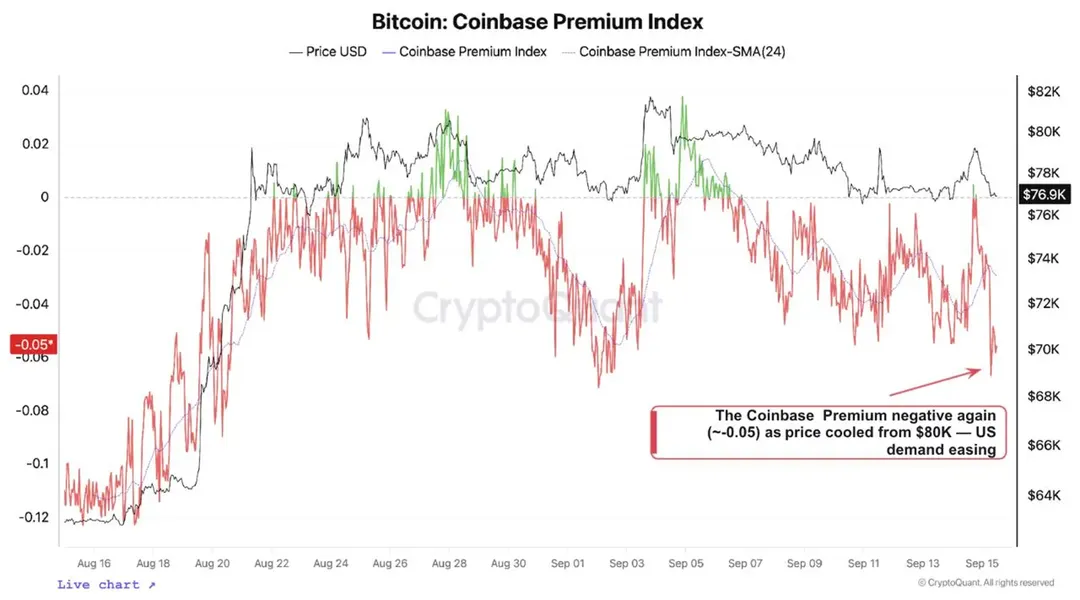
CryptoQuant: Bitcoin's bullish momentum is fading, Coinbase Premium turns negative
Why it matters: Weakening US demand and rising exchange deposits of ETH and altcoins increase the risk of a deeper correction if BTC loses $70,000.

BlackRock withdraws 656.71 BTC and 5,150 ETH worth $62 million from Coinbase Prime
Why it matters: Large movements from BlackRock's custody accounts are tracked as an indicator of institutional demand for BTC and ETH.
Hwatai Securities: need for an October Fed hike is fading, December is the base case
Why it matters: The Fed's rate path drives pressure on Bitcoin and risk assets; a pause in October could give the market some relief.

River: long-term investors should hold up to 10% of their portfolio in Bitcoin
Why it matters: The report strengthens the case for including Bitcoin in institutional portfolios amid rising US government debt and the breakdown of stock-bond correlation.

Arkham: Satoshi Nakamoto's wallet gained $12.37 billion in value in a month
Why it matters: The largest 'dormant' wallet remains off the market, but its valuation serves as a gauge of the scale of unrealized supply.

Arc ecosystem tokens plunge: TOLLY down 37.86% in 6 hours
Why it matters: The sell-off in the young Arc ecosystem shows that Circle's mainnet launch has not yet kept speculative capital in its tokens.
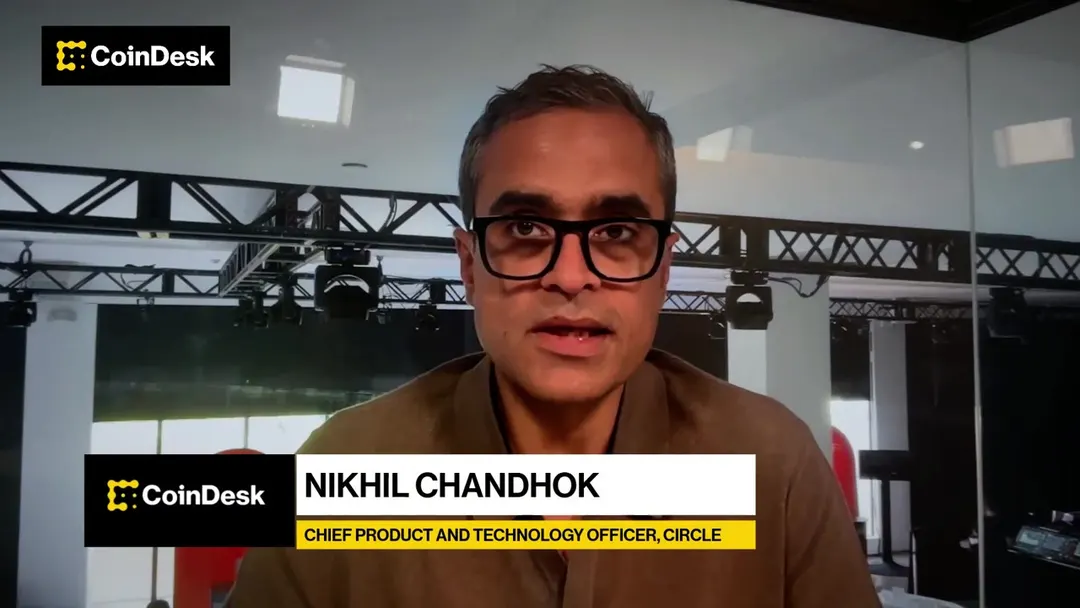
Circle: Arc to become stablecoin settlement infrastructure for institutions
Why it matters: Institutional USDC settlement infrastructure strengthens Circle's position in the stablecoin segment amid US regulatory clarity.
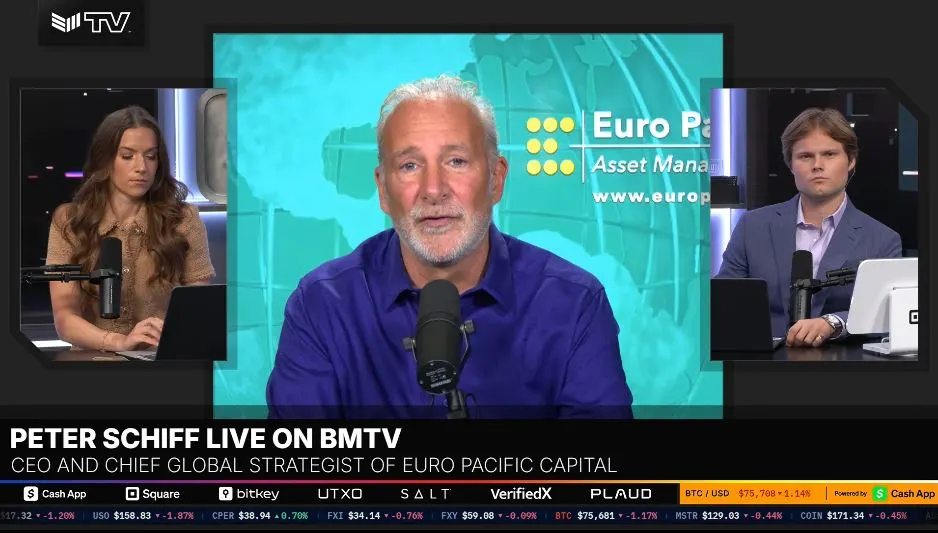
Peter Schiff: rising US Treasury yields will hit bitcoin too
Why it matters: The argument that rising Treasury yields pressure risk assets reinforces the bearish backdrop for bitcoin ahead of the Fed meeting.

Goldman Sachs expands Hyperliquid interest: research and contacts with Point72 and Citadel
Why it matters: Growing institutional attention to Hyperliquid could intensify competition among decentralized trading platforms and attract new capital.

Vitalik Buterin: cybersecurity favors defense, and crypto holders are betting on it
Why it matters: The thesis affects how blockchain security risks are assessed and the case for long-term crypto holding.

Wintermute transfers 2,550 BTC worth $193 million to Binance
Why it matters: A large inbound BTC flow to an exchange from a market maker may signal preparations for selling and weighs on the price.

BTC long account share in dollar margin falls 5.06 pp, Solana 3.95 pp
Why it matters: The sharp drop in the long account share in dollar margin indicates institutional traders are moving out of risk ahead of the Fed decision.