Crypto news today

Filecoin unveils testnet demo of tokenized RWA architecture at Avalanche Summit
Why it matters: Filecoin is entering the RWA tokenization market, which could increase demand for decentralized data storage.
India drops standalone crypto law in favor of e-Rupee
Why it matters: India is choosing caution over rules, leaving uncertainty for local exchanges and investors but reducing the risk of legitimizing crypto.
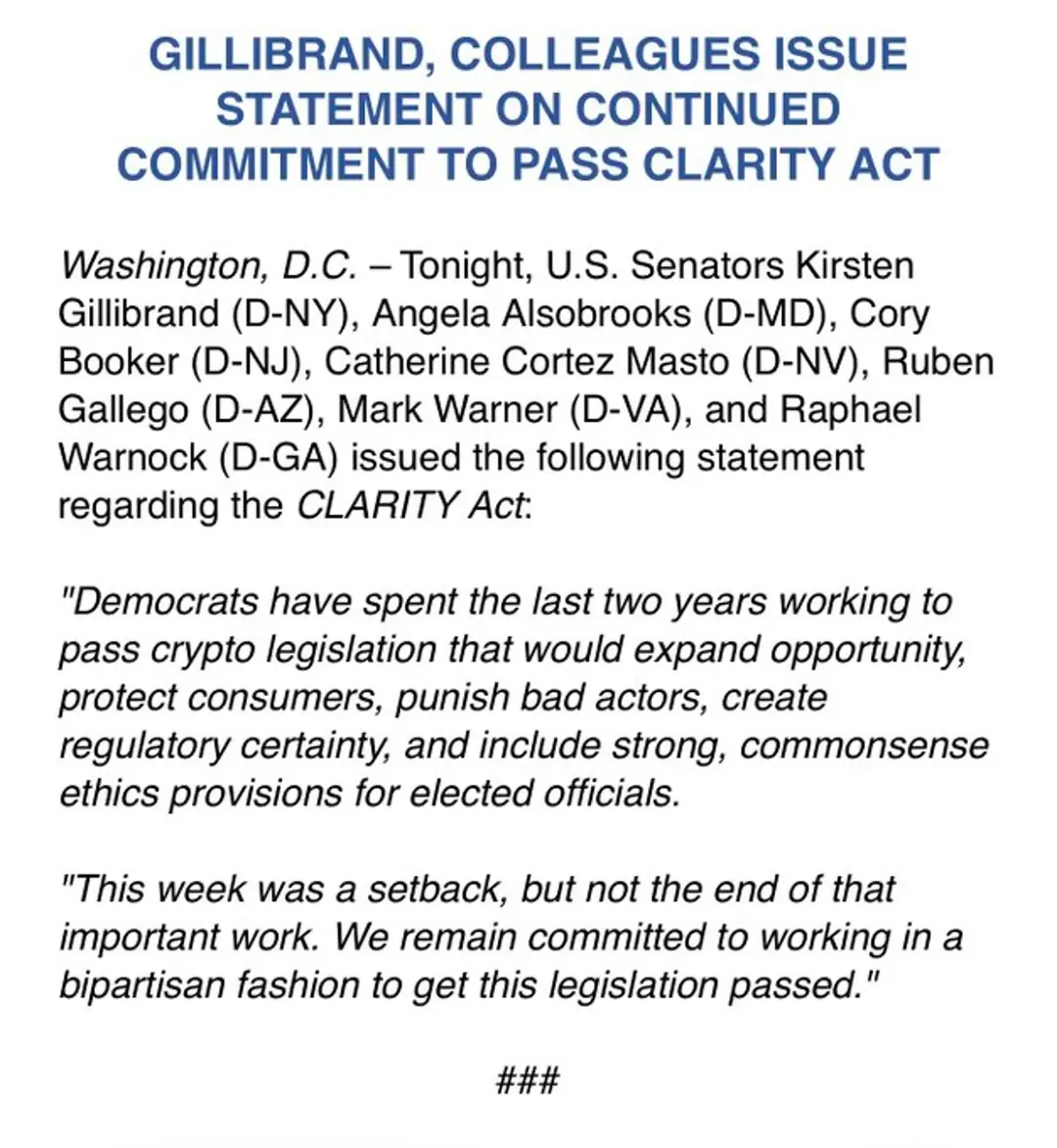
Seven US Democratic senators signal readiness for bipartisan CLARITY Act talks
Why it matters: Restarting negotiations could revive market hopes for US regulatory clarity, supporting crypto assets.

Kyobo Life and SBI test yen-won transfers via stablecoins on Canton
Why it matters: The case shows major Asian insurers and banks are ready for stablecoin settlements that bypass the dollar, boosting demand for institutional blockchains.

Revolut confirms KYC data leak; House committee approves bitcoin reserve bill
Why it matters: The leak hits trust in exchange KYC procedures, while approval of the reserve bill could cement government demand for bitcoin.

Bitcoin miners shift capacity to AI as public companies' hashrate falls 56 EH/s
Why it matters: The shift of capacity into AI changes mining economics and the structure of bitcoin's hashrate, affecting difficulty and the profitability of remaining miners.
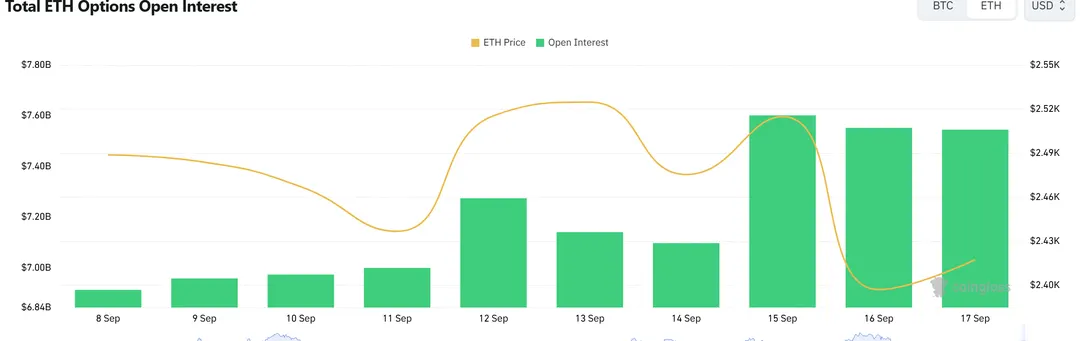
Ethereum options open interest falls to $7.37 billion, calls dominate
Why it matters: The call skew shows traders are betting on ETH gains, but falling OI points to caution and no position build-up.
Bitcoin Core under intensified AI security scanning as most reports are false
Why it matters: The rise in AI scanning could speed up the discovery of real vulnerabilities but requires filtering out false reports.

Upbit lists PYUSD and JPYC on KRW, BTC and USDT markets
Why it matters: The Upbit listing boosts PYUSD and JPYC liquidity and intensifies stablecoin competition in the Asian market.

Korean police open cases against 26 Polymarket users, 18 referred to prosecutors
Why it matters: The case shows regulators can pursue prediction market users, weighing on the sector and tokens such as POLY.

WLFI multisig wallet sent 248M tokens to Binance in a month
Why it matters: Large exchange deposits often precede sales, which could weigh on the WLFI price.
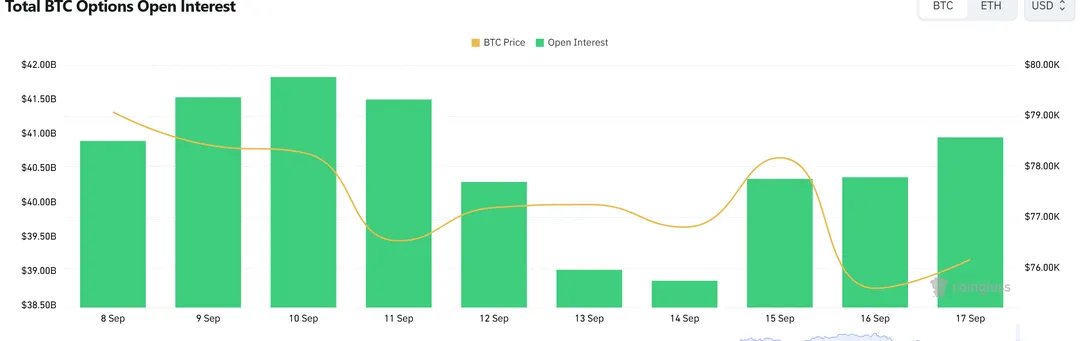
Bitcoin options open interest rises to $40.3B, demand shifts to $74,000 puts
Why it matters: The growing share of puts in short-term trading points to hedging against downside risk ahead of the September 18 expiry.

Whale Alert: $182M in USDC withdrawn from Aave to unknown wallet
Why it matters: Large withdrawals from DeFi protocols can signal a whale preparing to sell or changing strategy, but there is no confirmed market impact.

ESS Frontier sues Ostium seeking arbitration over $15M loan
Why it matters: Legal pressure on Ostium could affect the protocol on Arbitrum and its users, and set a precedent for disputes over DeFi lending.

Spot SOL ETFs draw $836,900 in a day
Why it matters: Inflows into SOL ETFs remain weak amid broad outflows from crypto funds, limiting institutional demand for Solana.

Spot HYPE ETFs draw $1.67M in a day, all via Grayscale
Why it matters: Inflows into HYPE ETFs support institutional demand for the Hyperliquid token amid a weak market.

Vitalik Buterin: AI will make it possible to prove software security in full
Why it matters: The statement sets Ethereum's direction toward formal code verification, which could boost confidence in network security.

Spot XRP ETFs draw $3.5M in a day, all via Franklin XRPZ
Why it matters: Inflows into XRP ETFs remain weak and concentrated in a single fund, offering little support to the XRP price.

Ethena founder launches Ethena Pay neobank on Avalanche with up to 6% yield
Why it matters: Ethena is betting on returning stablecoin yield to users, intensifying competition with USDC and USDT and creating demand for AVAX.

Hong Kong to test tokenization of HK$1.3 trillion in government bonds
Why it matters: Hong Kong is accelerating institutional RWA tokenization and digital settlement, intensifying competition to be Asia's crypto hub.