Crypto news today

ADA rebounds 1.04% to $0.1977 after CLARITY Act failure
Why it matters: A volume-less bounce signals weak demand: without clear regulation, institutional flows into ADA remain in question.
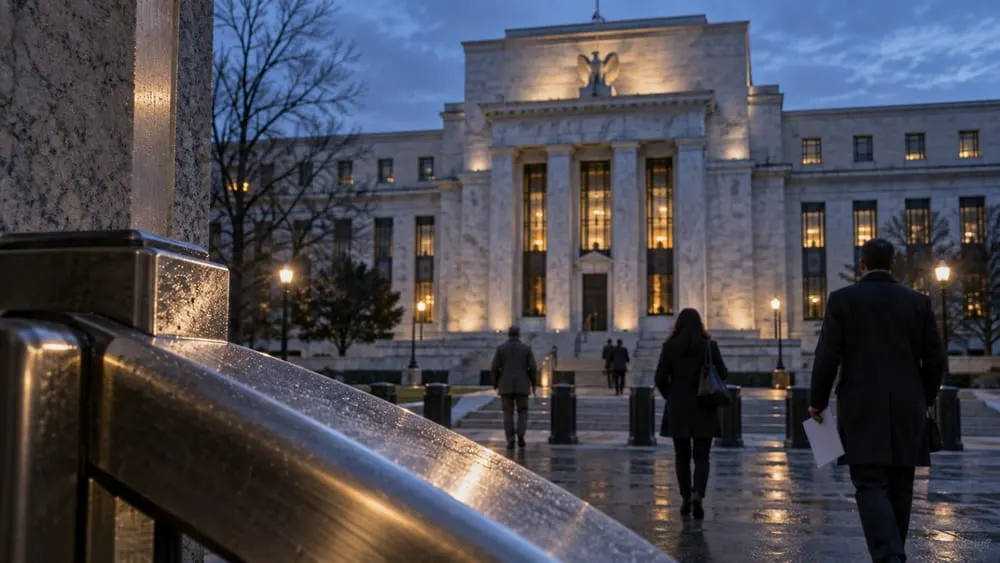
Fed assets rise to $6.74 trillion, but no new crypto liquidity inflow
Why it matters: A growing Fed balance sheet does not equal liquidity flowing into risk assets: RMP is not QE, so ETF flow dynamics and the rate path matter more for bitcoin.
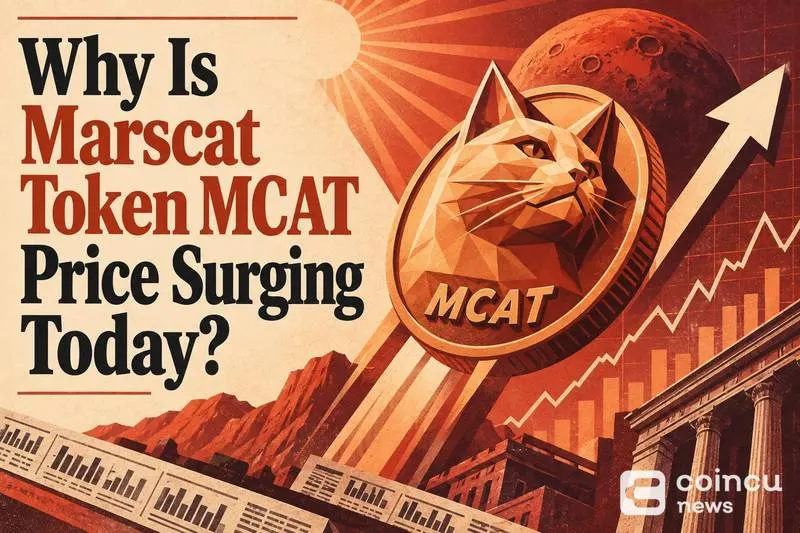
MCAT jumps 200% with no catalyst as 95.7% of volume is wash trading
Why it matters: A token with an unresolved contract conflict and almost no retail free float carries a high risk of manipulation and loss of funds.

Chainlink rebounds 2.59% to $11.11 after CLARITY Act failure
Why it matters: A bounce without rising volume shows the market is merely recovering from a regulatory shock rather than reversing upward.

ECB board member Rehn: unanimous Fed decision is very important
Why it matters: Fed unanimity reinforces expectations of further tightening, which weighs on risk assets including crypto.
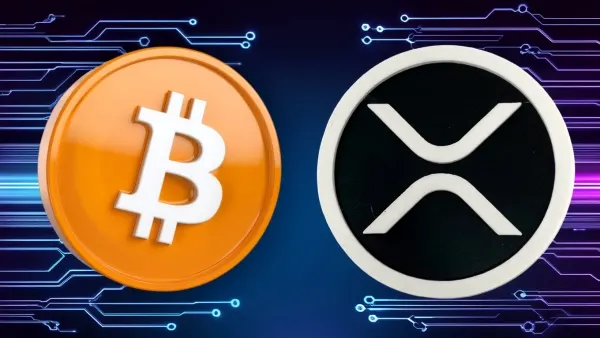
Ex-Ripple CTO: XRP can overtake Bitcoin by market cap through growth, not a BTC crash
Why it matters: The former Ripple CTO's remarks set a benchmark for XRP holders, but the scenario requires years of outperformance and remains speculative.
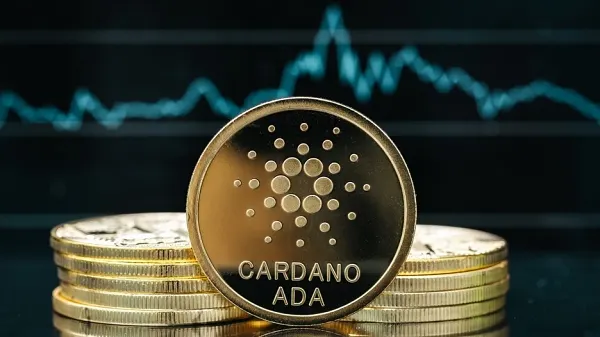
Cardano stuck in $0.20–$0.23 range as fees rise and liquidity flows in
Why it matters: The key signal for ADA is not the range breakout itself but rising network activity and liquidity distribution, which could set the trend's direction.
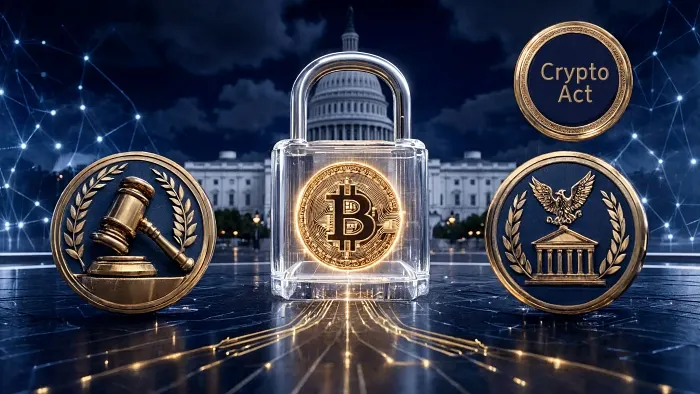
Grayscale: US crypto regulation will continue despite CLARITY Act failure
Why it matters: The bill's failure shifts crypto regulation to the SEC and CFTC, reducing market certainty until new legislative attempts emerge.
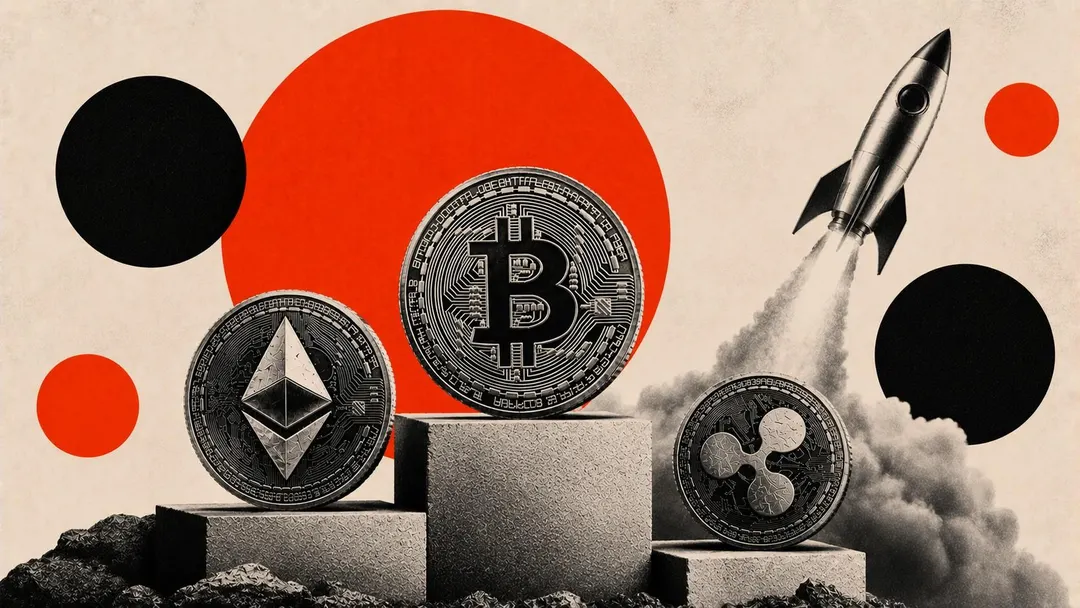
Bitcoin above $76,000, Ethereum toward $2,500, XRP at $1.30 after Fed rate hike
Why it matters: The market absorbed the Fed's hawkish pivot: further gains depend on stabilizing yields and ETF inflows.
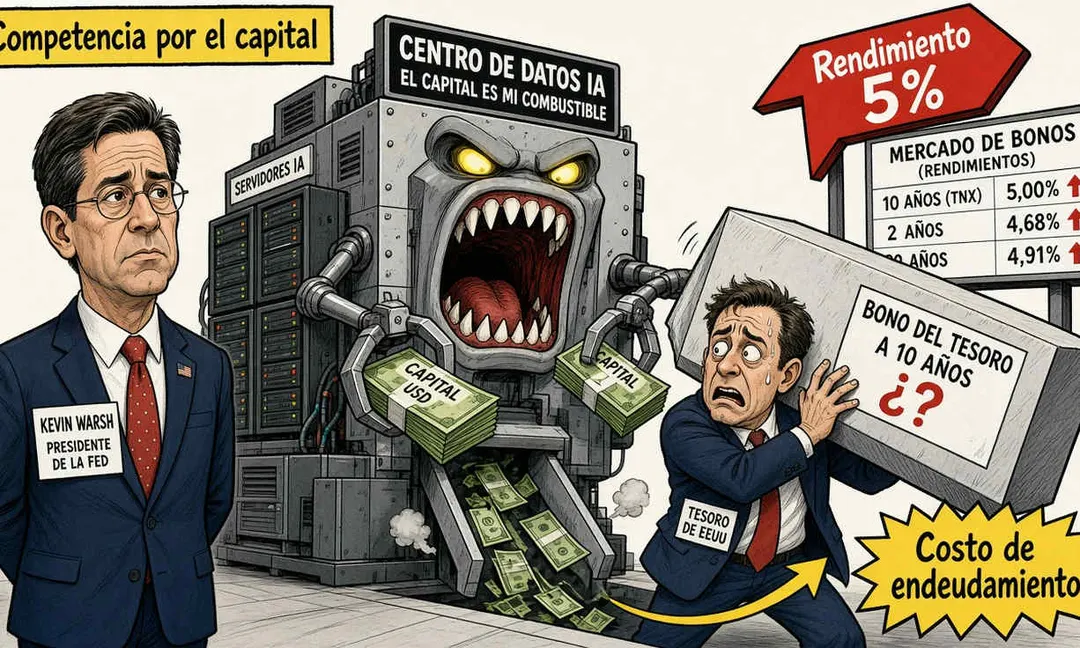
Warsh: AI hyperscaler debt is raising borrowing costs
Why it matters: Rising Treasury yields driven by AI debt increase the cost of capital and weigh on risk assets, including crypto.

Bybit and Glassnode: Bitcoin options are growing in the derivatives market mix
Why it matters: The shift of liquidity into options changes hedging structure and can amplify or dampen BTC price moves around major strikes.
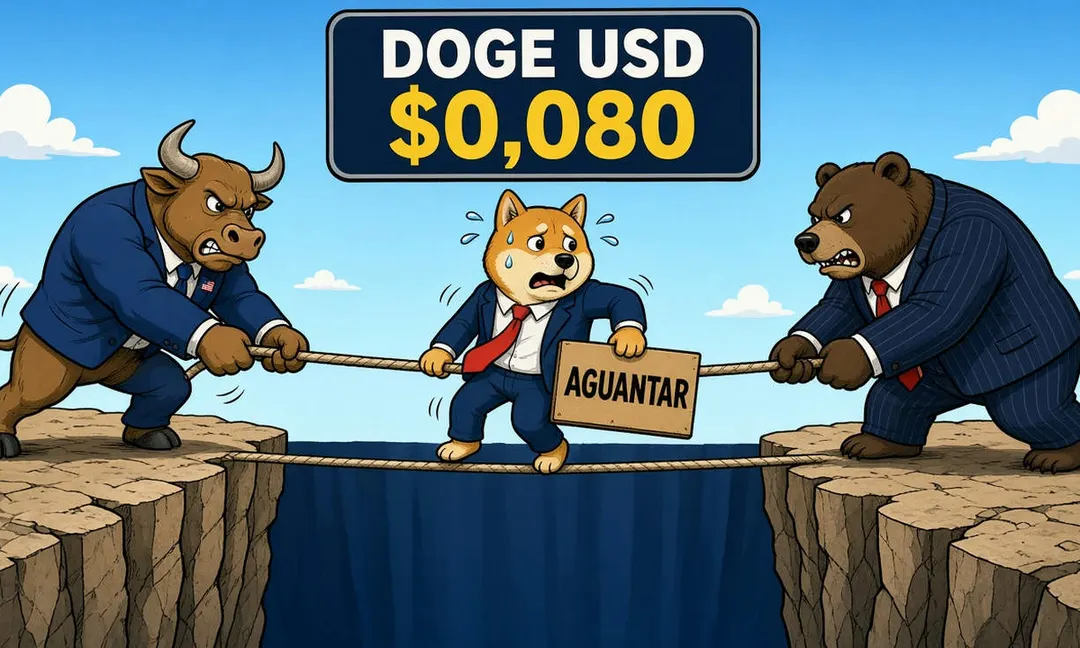
Dogecoin at $0.0808: weak bounce on falling volume
Why it matters: A break below support at $0.080176 would accelerate the decline, while holding it would open the way toward the 20- and 50-day averages.

Six memecoins on Circle's Arc valued at $1–3 million, led by ARGUS at $16.45 million
Why it matters: Activity on Arc confirms demand for Circle's new L1, but low liquidity and duplicate contracts increase the risk of losses for traders.

Bloomberg: Bitcoin and gold hit resistance at $80,000 and $4,500
Why it matters: A rise in Treasury yields to 5% could shift capital from Bitcoin and gold into bonds, capping further gains.

Paraguay's ueno bank with OTP stake quietly tests Bitcoin purchases in app
Why it matters: A major bank with European capital is embedding BTC purchases into its banking app, signaling closer ties between traditional banks and crypto in Latin America.
After CLARITY Act failure, US regulators to speed up their own crypto rules
Why it matters: SEC and CFTC rules will replace legislation but remain dependent on political shifts, a key risk for the industry.
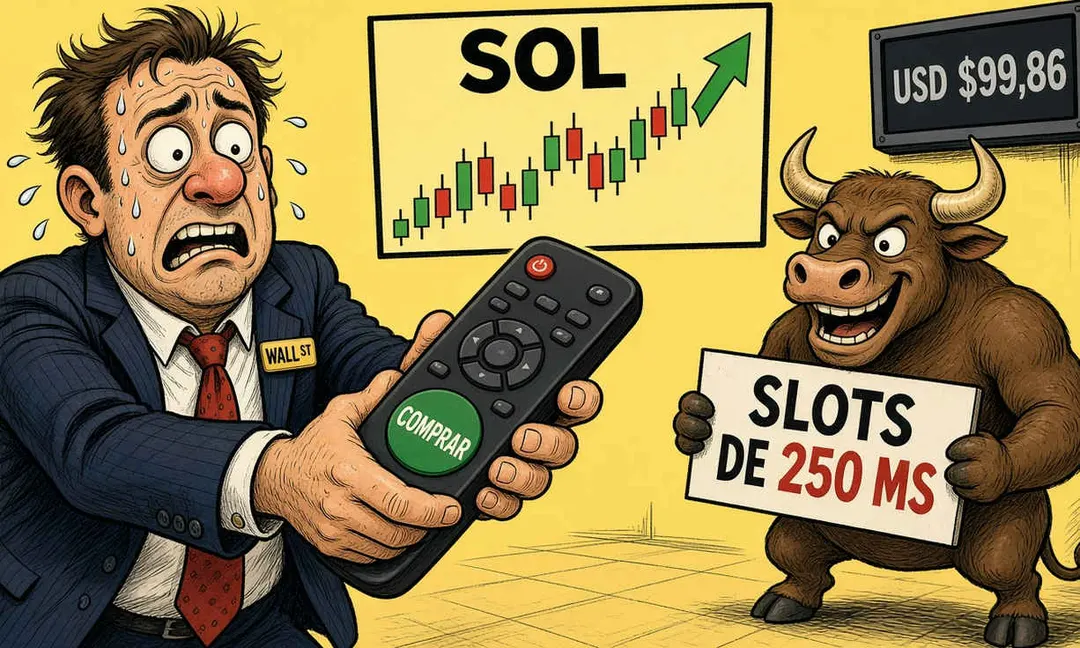
SOL rises 2.66% to $99.86 ahead of 250 ms slot activation
Why it matters: Without a volume increase, the rebound looks like a range correction rather than the start of a trend; confirmation would be volume above $4 billion.

SwissBorg adds direct USDC deposits on Arc network without bridges
Why it matters: A direct on-ramp lowers entry costs to Arc and expands distribution of Circle's stablecoin network among European retail investors.
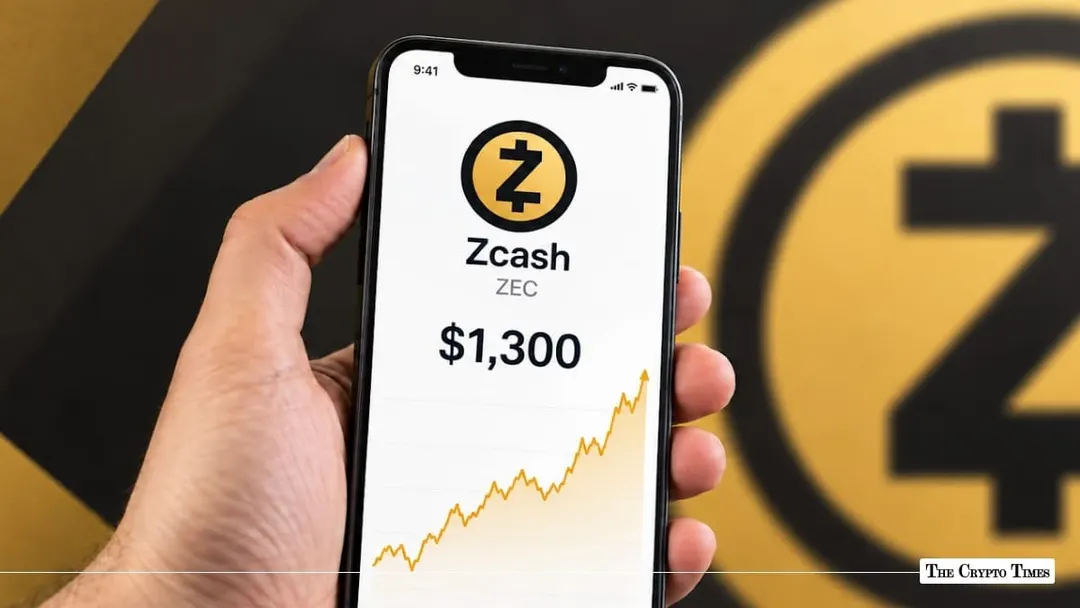
Zcash jumps 17% to $1,300 on NU7 vote, Ledger deal, ZCSH ETF
Why it matters: The vote is a mandate, not an activation: launching NU7 requires specifications, audits, and coordination among miners and exchanges.

H100 CEO buys 407,000 shares, treasury holds 3,506 BTC
Why it matters: The transaction reflects growing insider confidence in the Bitcoin treasury model but does not change the company's BTC position.