Crypto news today

SBI becomes a validator on Circle's Arc while keeping its Ripple stake
Why it matters: Major financial groups are hedging their bets between XRP and USDC infrastructure, and the outcome of that choice will determine whose rail becomes the standard for institutional settlement.
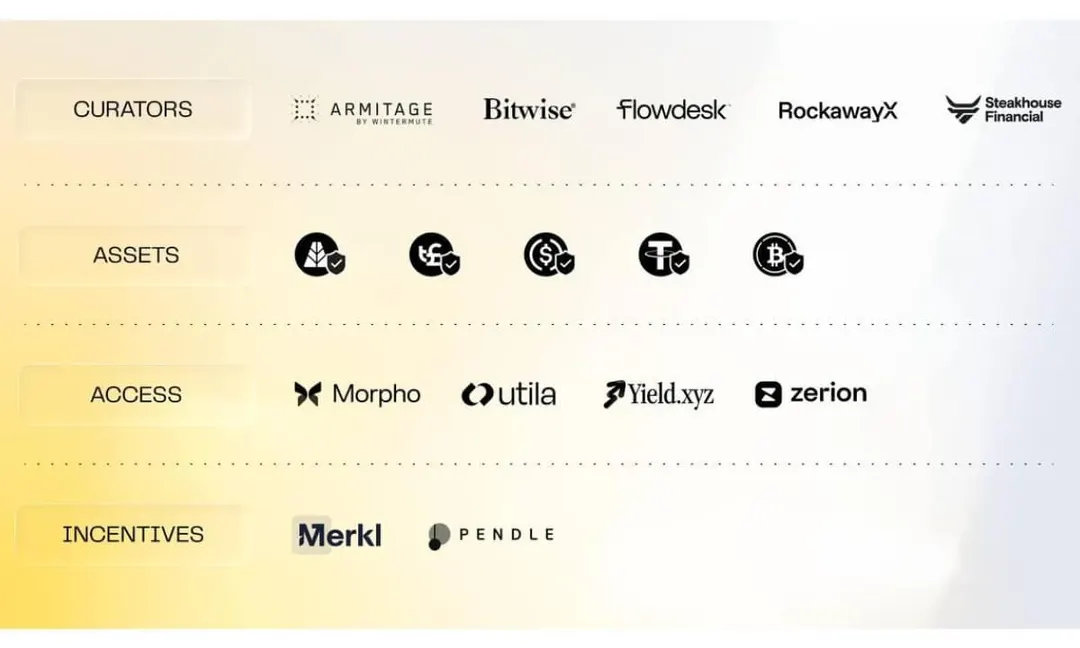
Zama expands confidential access to DeFi yield through Morpho
Why it matters: Confidential yield on existing DeFi infrastructure could remove a barrier for institutional capital onchain.

Moscow Exchange supervisory board head warns of digital asset market collapse over Eurotrans default
Why it matters: Defaults by digital asset issuers undermine retail investor confidence and could lead to tighter regulation of Russia's digital asset market.
CoinShares: family offices bet on Solana, eye Hyperliquid
Why it matters: Institutional demand for Solana and Hyperliquid is growing through prediction markets, which could support inflows into SOL and HYPE.
Standard Chartered: Arbitrum to outpace Bitcoin and Ether in growth
Why it matters: A major bank's forecast strengthens the tokenization narrative and the case for rising L2 network revenue, which could support demand for ARB.
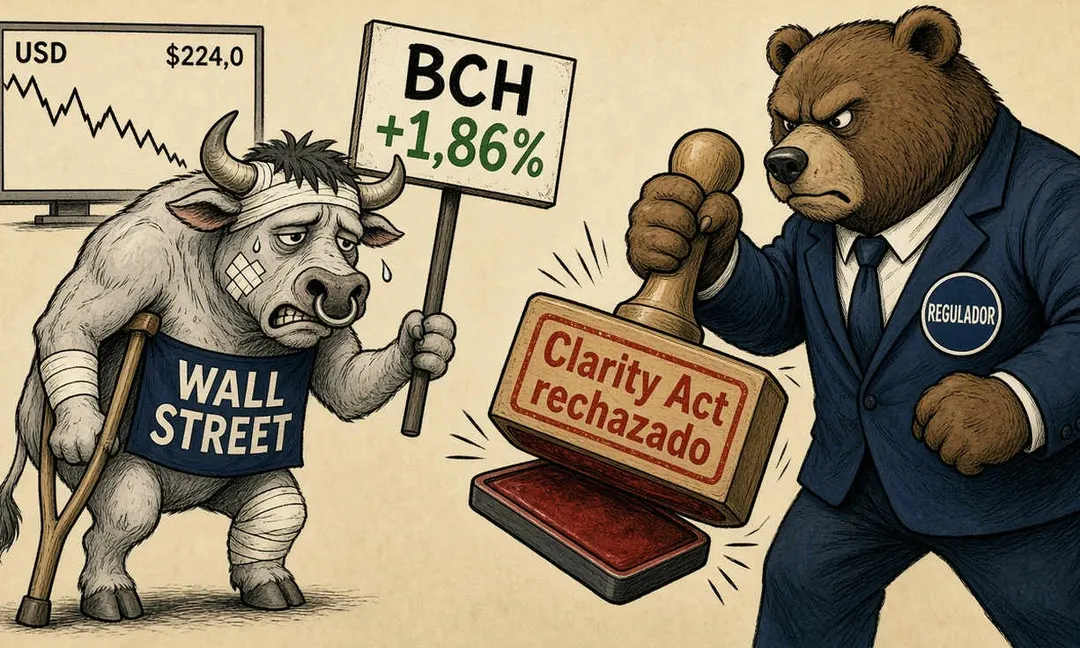
BCH rebounds 1.86% to $224 after CLARITY Act failure
Why it matters: The rebound is technical and thin on volume: without a fresh regulatory catalyst, BCH remains in a downtrend.
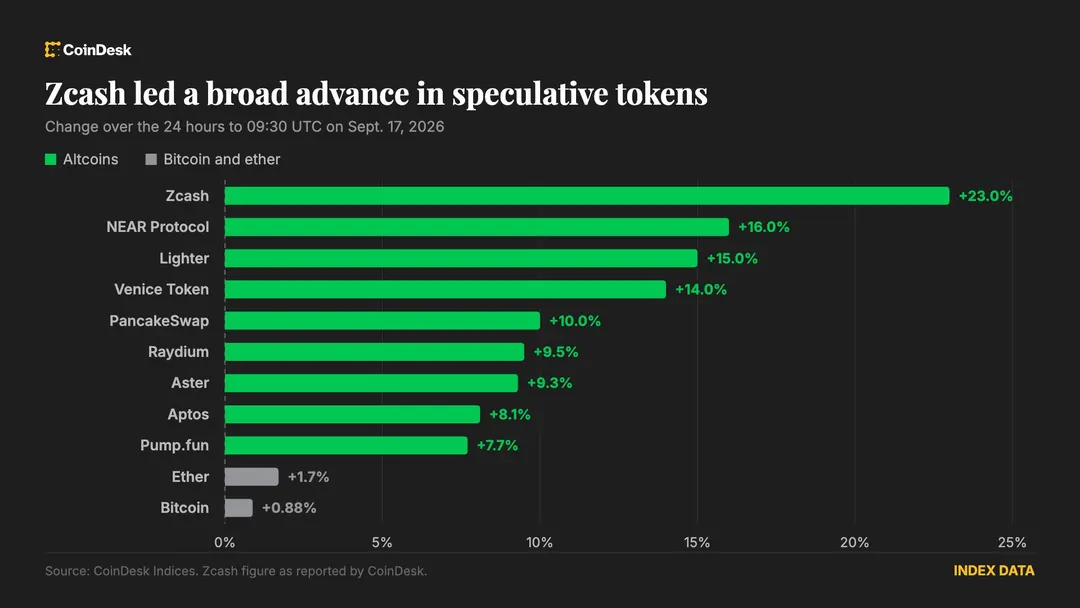
Crypto market rises after first Fed rate hike since 2023
Why it matters: The market read the Fed's hawkish move as signaling a near-complete tightening cycle, which supported risk assets.

ADA rebounds 1.04% to $0.1977 after CLARITY Act failure
Why it matters: A volume-less bounce signals weak demand: without clear regulation, institutional flows into ADA remain in question.
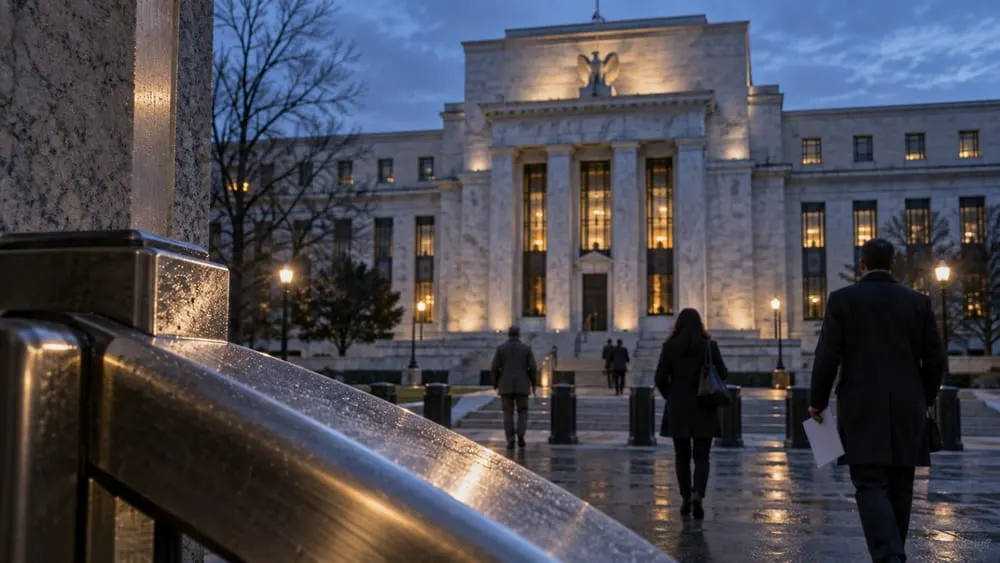
Fed assets rise to $6.74 trillion, but no new crypto liquidity inflow
Why it matters: A growing Fed balance sheet does not equal liquidity flowing into risk assets: RMP is not QE, so ETF flow dynamics and the rate path matter more for bitcoin.
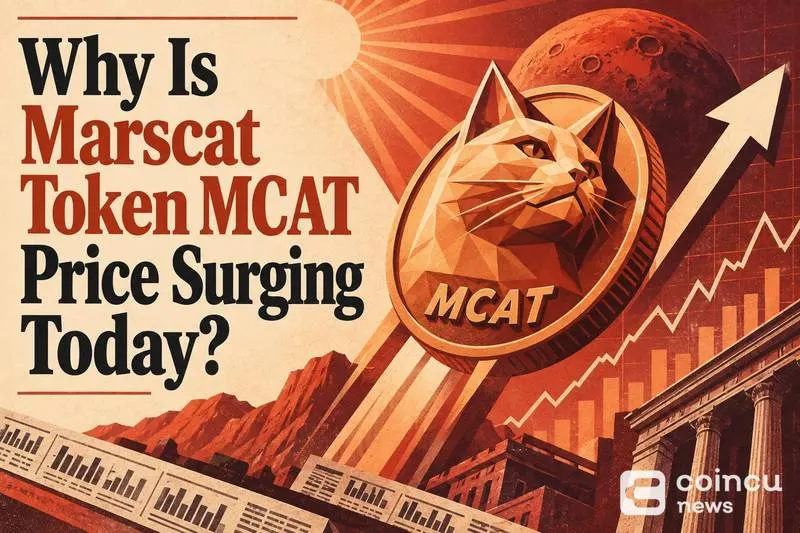
MCAT jumps 200% with no catalyst as 95.7% of volume is wash trading
Why it matters: A token with an unresolved contract conflict and almost no retail free float carries a high risk of manipulation and loss of funds.

Chainlink rebounds 2.59% to $11.11 after CLARITY Act failure
Why it matters: A bounce without rising volume shows the market is merely recovering from a regulatory shock rather than reversing upward.

ECB board member Rehn: unanimous Fed decision is very important
Why it matters: Fed unanimity reinforces expectations of further tightening, which weighs on risk assets including crypto.
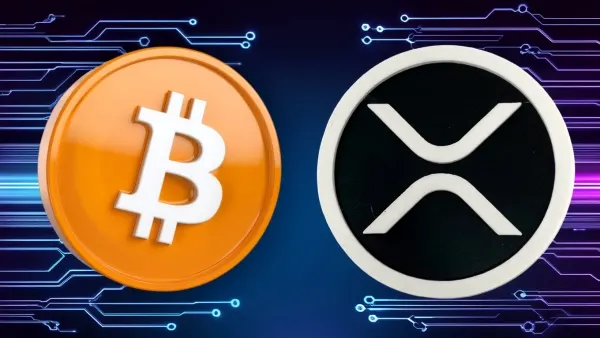
Ex-Ripple CTO: XRP can overtake Bitcoin by market cap through growth, not a BTC crash
Why it matters: The former Ripple CTO's remarks set a benchmark for XRP holders, but the scenario requires years of outperformance and remains speculative.
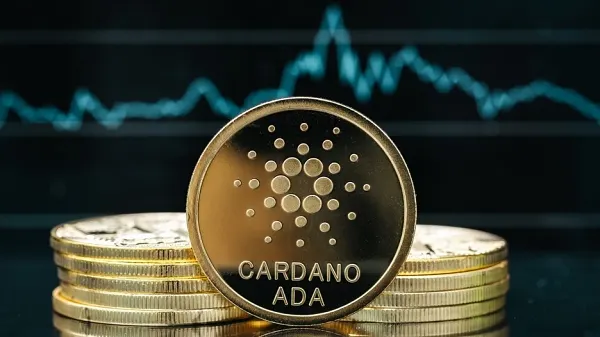
Cardano stuck in $0.20–$0.23 range as fees rise and liquidity flows in
Why it matters: The key signal for ADA is not the range breakout itself but rising network activity and liquidity distribution, which could set the trend's direction.

Grayscale: US crypto regulation will continue despite CLARITY Act failure
Why it matters: The bill's failure shifts crypto regulation to the SEC and CFTC, reducing market certainty until new legislative attempts emerge.
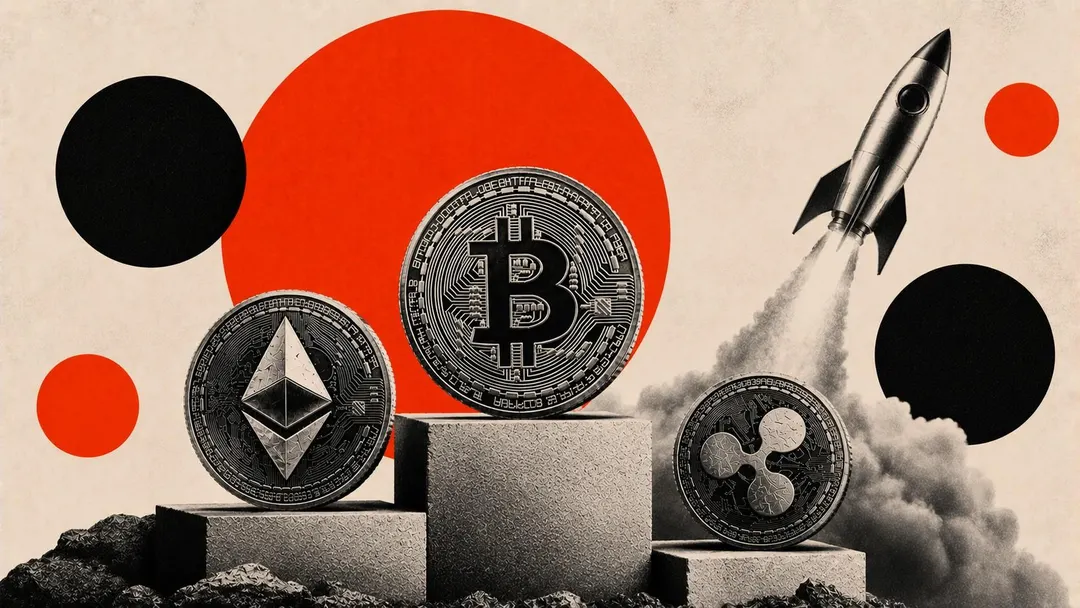
Bitcoin above $76,000, Ethereum toward $2,500, XRP at $1.30 after Fed rate hike
Why it matters: The market absorbed the Fed's hawkish pivot: further gains depend on stabilizing yields and ETF inflows.

Warsh: AI hyperscaler debt is raising borrowing costs
Why it matters: Rising Treasury yields driven by AI debt increase the cost of capital and weigh on risk assets, including crypto.

Bybit and Glassnode: Bitcoin options are growing in the derivatives market mix
Why it matters: The shift of liquidity into options changes hedging structure and can amplify or dampen BTC price moves around major strikes.
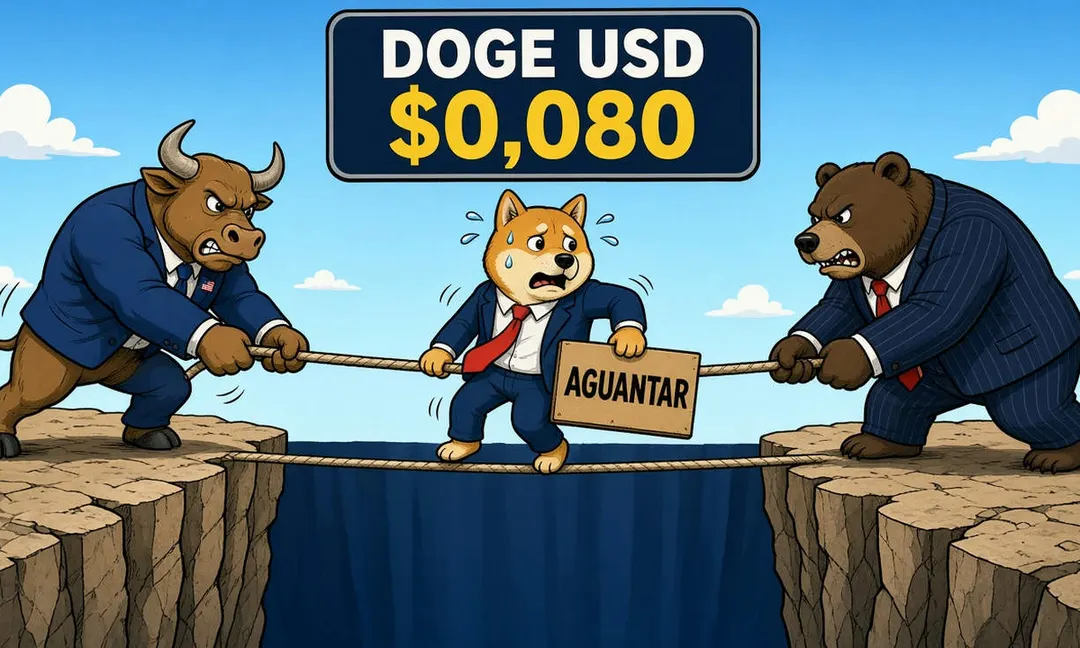
Dogecoin at $0.0808: weak bounce on falling volume
Why it matters: A break below support at $0.080176 would accelerate the decline, while holding it would open the way toward the 20- and 50-day averages.

Six memecoins on Circle's Arc valued at $1–3 million, led by ARGUS at $16.45 million
Why it matters: Activity on Arc confirms demand for Circle's new L1, but low liquidity and duplicate contracts increase the risk of losses for traders.