Crypto news today

HP: cybercriminals exploit agentic AI trend to attack crypto wallets
Why it matters: The growth of AI tools expands the attack surface for crypto holders, requiring caution when installing third-party services.
Hyperliquid overtakes Solana in USDC volume, becomes second after Ethereum
Why it matters: The growth of USDC on Hyperliquid strengthens its futures market and, through HYPE buybacks, creates pressure on the token, shifting the stablecoin balance between networks.

$369 million liquidated in 24 hours, 61.5% in shorts
Why it matters: The dominance of short liquidations points to a market rebound and pressure on bearish positions.
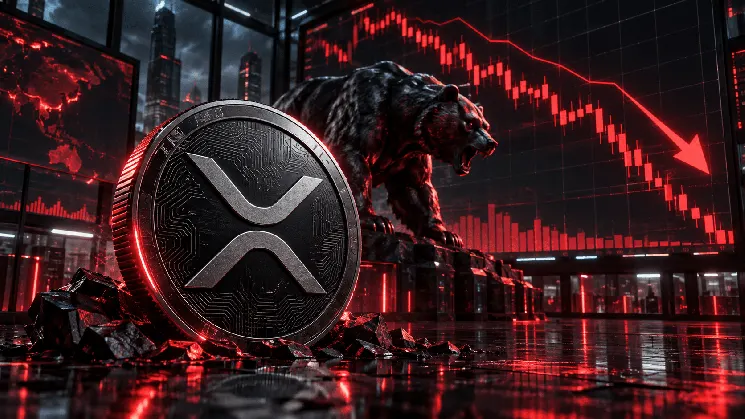
XRP Falls Below Ichimoku Cloud: $1.33 Becomes Key Resistance
Why it matters: Holding $1.2950 would preserve the structure, but a return above $1.33 is needed to cancel the bearish Ichimoku signal.

Backpack Allows Stocks and ETFs as Collateral for Trading
Why it matters: The merger of traditional securities and crypto in one collateral portfolio intensifies exchange competition for traders and expands access to margin.

SEC: Smart Contracts for Tokenized Stocks Must Be Publicly Auditable
Why it matters: It sets the first clear requirements for tokenized stock infrastructure in the U.S., determining which venues can operate under the exemption.
Coinbase Institutional Moves 679 BTC Worth $51.7M to Unknown Wallet
Why it matters: A large exchange withdrawal may indicate preparation for a sale or a transfer to custody, affecting BTC supply on the market.
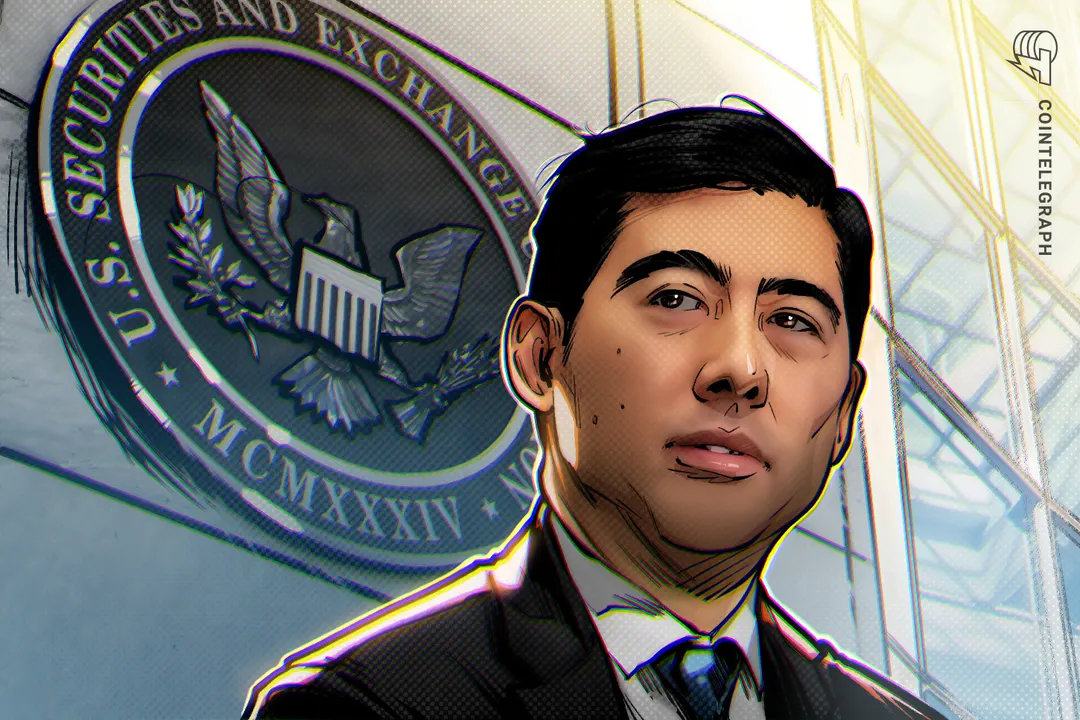
SEC Approves Temporary Exemption for Tokenized Stock Trading
Why it matters: It sets a precedent for regulating tokenized stocks in the U.S. and could accelerate their legal trading on blockchain.

Arc Network Traders Dump Tokens Over Indian Origin of Circle Partner
Why it matters: The sell-off on Arc showed that the network's memecoin tokens are vulnerable to rumors and bias rather than fundamentals.

Experimental rust-lightning Fork Adds Post-Quantum Protection for Lightning
Why it matters: It shows that Lightning infrastructure could get quantum protection earlier than the main blockchain, but at the cost of higher node requirements.

Robinhood CEO: U.S. Enters the Era of Asset Tokenization
Why it matters: The legalization of tokenized stocks opens access for crypto infrastructure to the U.S. securities market.

FCA: Crypto lending will not be a separate activity in the UK
Why it matters: UK crypto firms must assess in advance which FCA permissions they need, or they will be unable to operate under the new regime.
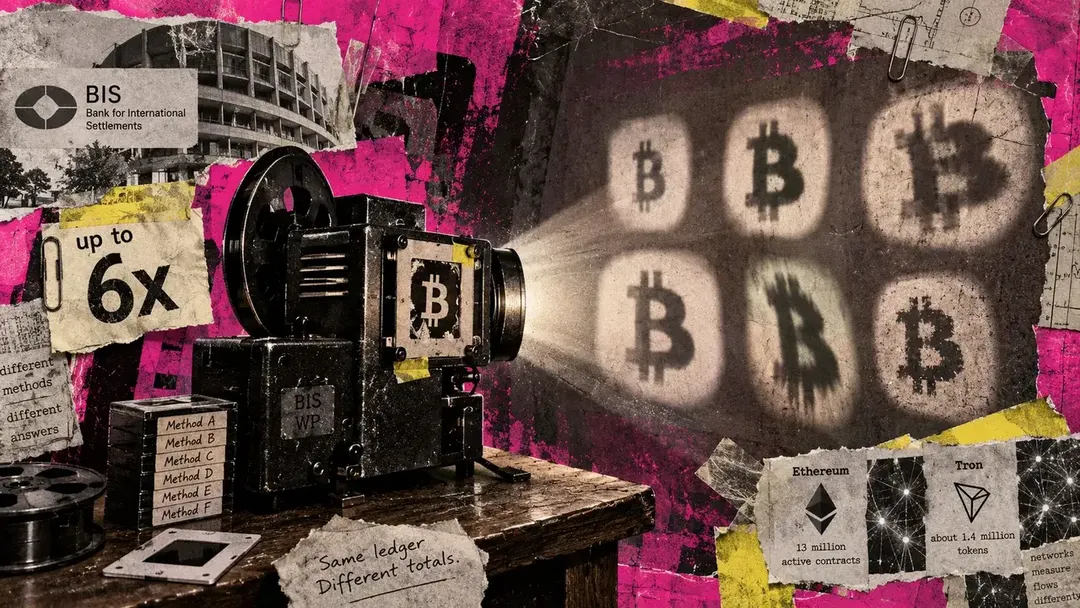
BIS: Bitcoin transfer volume estimates vary by up to six times
Why it matters: On-chain metrics should be read as rough estimates rather than direct measurements of economic activity.

Guelph/Eramosa resident loses $35,000 in crypto fraud
Why it matters: A local fraud case that serves as a reminder of the risks facing retail investors.
JPMorgan expands digital assets team in consumer bank
Why it matters: The largest US bank is building a consumer layer on top of blockchain infrastructure, accelerating the integration of digital assets into traditional banking.

SEC: Tokenised stock trading requires 30-day notice to issuers
Why it matters: The rule sets the framework for the fast-growing tokenised equity market and gives issuers a veto over the listing of their shares on a blockchain.

Maple Finance expands capital allocation engine for institutions
Why it matters: Growing institutional demand for DeFi lending could increase capital volumes in the sector and attract new participants.

Crypto millionaires fall to 135,694; crypto owners reach 742 million
Why it matters: The decline in large holders reflects the market correction, but growth in the owner base to 742 million points to expanding adoption.

EIP-8198 proposes cutting Ethereum block time from 12 to 10 seconds
Why it matters: Shorter slots would speed up DEX quotes and improve LP returns, but the impact on node decentralisation needs to be tested.

Binance Wallet adds Arc network DeFi liquidity pools
Why it matters: It expands access to Circle's Arc ecosystem through the largest exchange and simplifies entry into its DeFi pools.