Crypto news today
Peirce: SEC innovation exemption does not apply to DeFi
Why it matters: Clarifying the exemption's boundaries reduces regulatory uncertainty for DeFi protocols and sets the framework for tokenized securities.
Avalanche Treasury CEO: AI agents will overload general blockchains, subnet model will win
Why it matters: The argument for isolating workloads could strengthen Avalanche's position in the race for institutional adoption against Ethereum and Solana.

Deutsche Bank expects MiCA license to launch BTC and ETH custody by year-end
Why it matters: A major systemically important EU bank entering regulated crypto custody strengthens institutional access to BTC and ETH.

FinCEN: suspicious crypto transactions tied to scam centers reach $12.7 billion
Why it matters: Stronger reporting and data sharing between banks and exchanges will make it harder for scam networks to cash out and increase compliance burdens on crypto services.

SEC undecided on whether TSVs and market makers are exchanges or dealers
Why it matters: Uncertainty over the status of TSVs and market makers keeps legal risks for crypto infrastructure and could lead to new SEC lawsuits or rules.

Aurora Intents connects Sui to cross-chain execution via NEAR Intents
Why it matters: Simplifies capital inflows into DeFi on Sui and lowers barriers for users from other networks.

World launches World Money super app for payments and investments in 150+ countries
Why it matters: The project combines biometric identification with financial infrastructure, intensifying competition with Circle, Stripe, and PayPal in the stablecoin payments market.

SEC moves toward 24-hour US stock trading, tokenization may aid settlement
Why it matters: Extended trading hours and tokenized equities strengthen the link between traditional markets and blockchain, opening new scenarios for crypto infrastructure.

Bitdeer sold 1,506 BTC for $105M in August, reserves fell to 61 BTC
Why it matters: Regular monthly miner sales add BTC supply to the market, while the pivot to AI reduces dependence on the bitcoin price.

Elemental Royalty offers dividends in Tether Gold
Why it matters: An example of a corporate payout in tokenized gold signals growing demand for RWA infrastructure.
INJ launches on Solana as SPL token via Sunrise and Backpack Securities
Why it matters: A native listing without bridges simplifies access to INJ for Solana users and expands its use in the network's DeFi strategies.
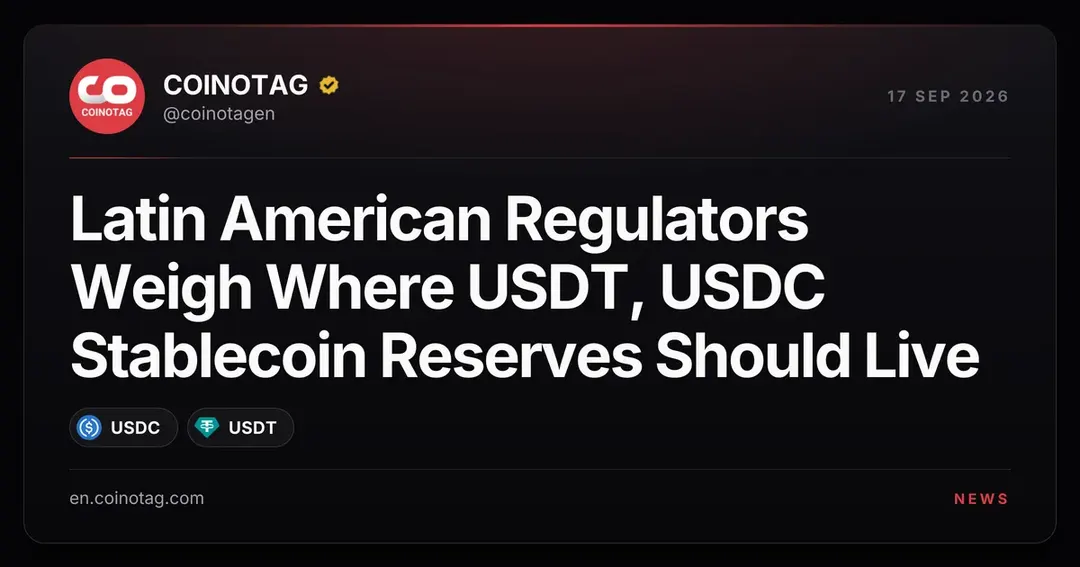
Latin American regulators discuss where to hold USDT and USDC reserves
Why it matters: Reserve custody rules will determine whether local banks and exchanges can work with USDT and USDC without restrictions.
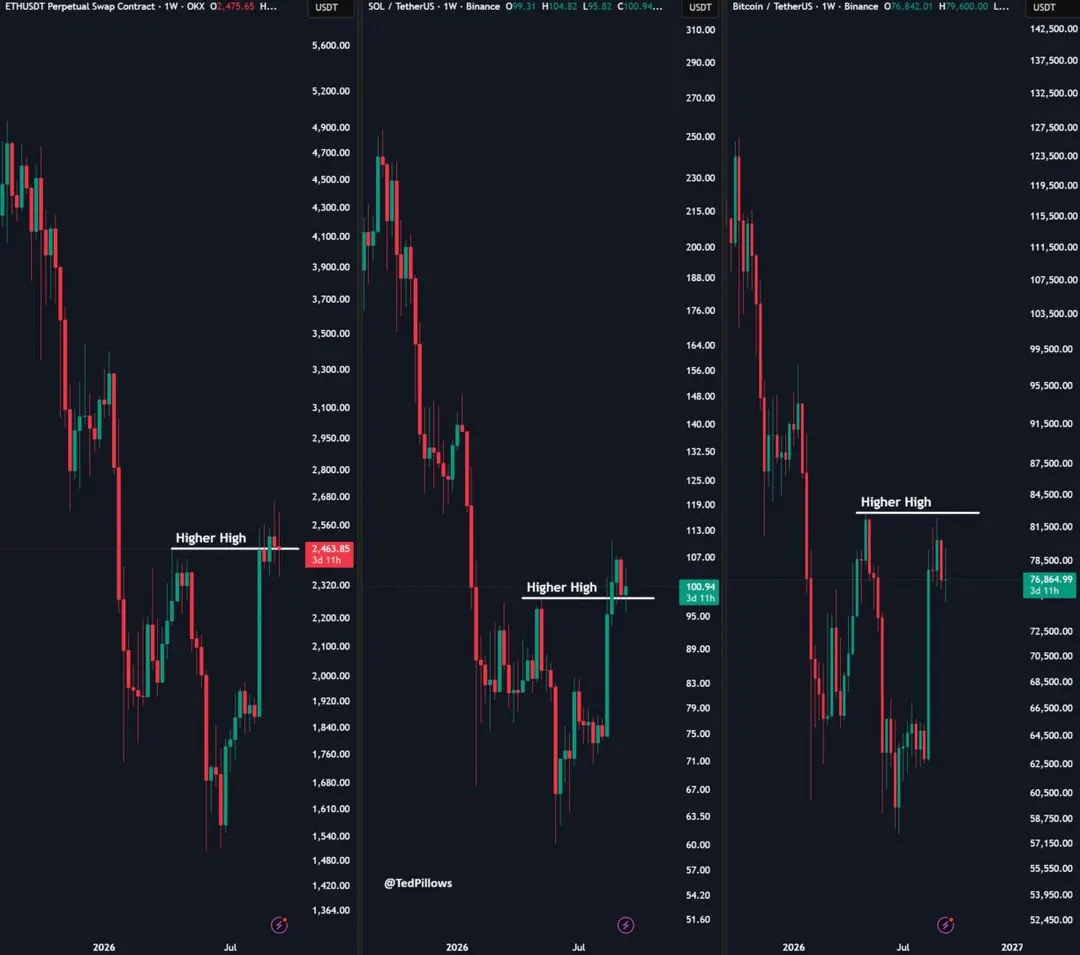
US jobless claims fall to 196K, bitcoin briefly hits $76,800
Why it matters: A strong labor market reduces the chances of near-term Fed easing, weighing on risk assets including bitcoin.

Wormhole confirms cross-chain capabilities for Ripple's stablecoin
Why it matters: Cross-chain support intensifies competition among stablecoins and could accelerate institutional adoption.

KuCoin suspends deposits on QKC and CAMP networks
Why it matters: Holders of QKC and CAMP should note that topping up accounts on KuCoin is temporarily unavailable.

CFTC issues no-action position for passive software providers
Why it matters: It reduces regulatory uncertainty for trading software developers and eases access to regulated derivatives markets.
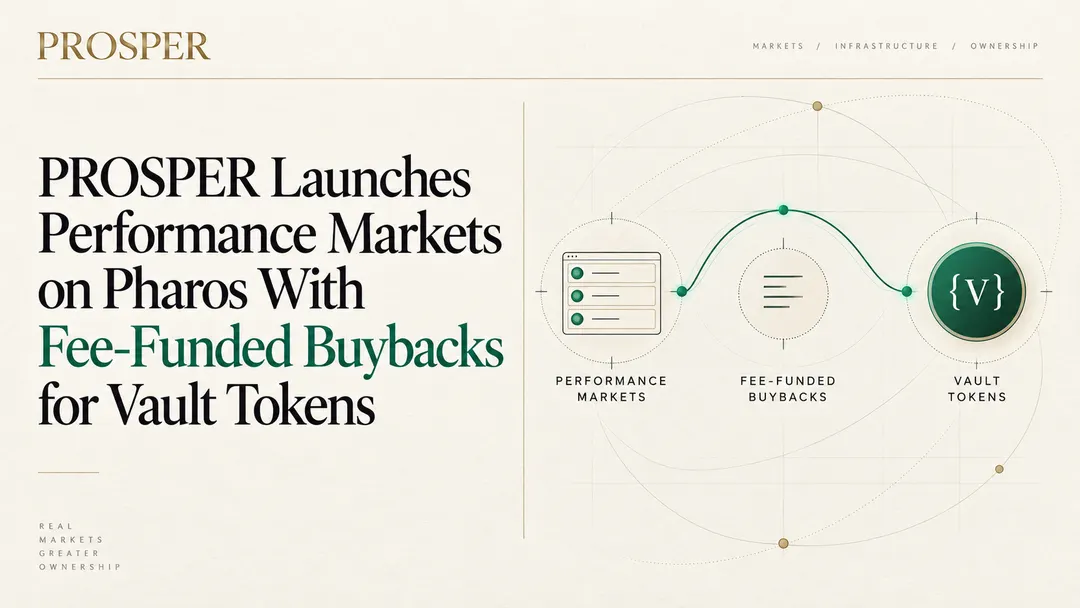
PROSPER launches Performance Markets on Pharos with token buybacks funded by fees
Why it matters: The model separates a speculative token from a share in a strategy, creating a market for curator reputation without transferring rights to the assets.

Tenka raises pre-seed round led by Maven 11 for on-chain private credit infrastructure
Why it matters: The project targets the illiquidity of the private credit market, giving institutions an on-chain exit from positions before loans mature.

Bank of England cuts QT pace to £46 billion a year and drops direct long-gilt sales
Why it matters: A slower QT reduces pressure on long-term rates and global liquidity, which typically supports risk assets, including crypto.

Ethena shifts revenue model toward RWA instead of bitcoin dependence
Why it matters: Diversification into RWA and payments could make USDe more resilient in a bear market, but launching ENA buybacks requires more than doubling supply.