Crypto news today

Robinhood Chain surpasses 750 million transactions
Why it matters: Growing activity on the Robinhood network intensifies competition among L2s and confirms retail brokers' interest in their own blockchains.

Bitfinex: bitcoin recovers to $76,500 after Fed rate hike
Why it matters: The $77,100 and $75,000 levels will determine bitcoin's direction in the coming days after the hawkish Fed decision.
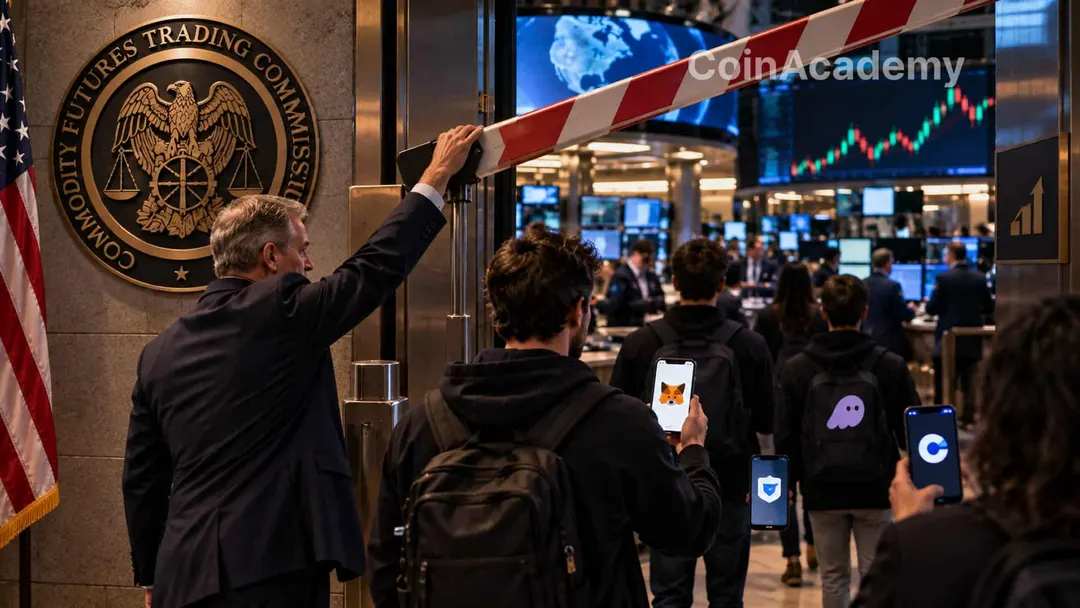
CFTC exempts crypto wallets from broker status in derivatives trading
Why it matters: The US continues to regulate crypto through agency exemptions rather than legislation, reducing risks for wallets but leaving the rules reversible.

Coinbase moves 8 non-USD pairs to limit-only mode
Why it matters: Cutting cross pairs reduces liquidity and arbitrage opportunities for altcoins, but does not affect the availability of the assets themselves.
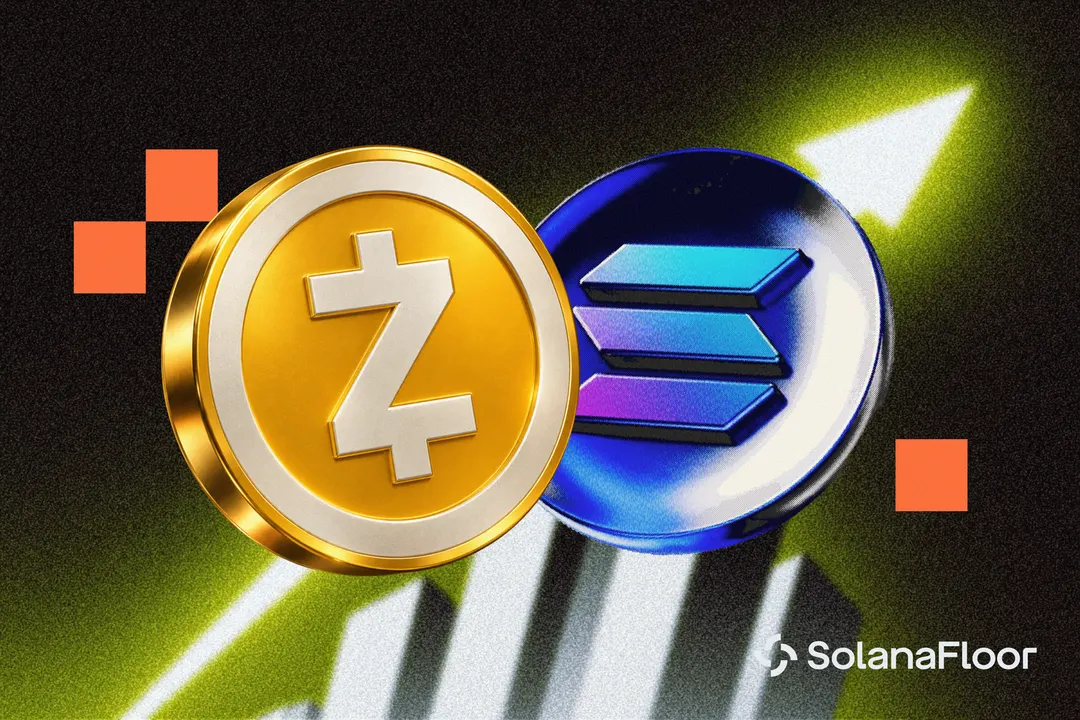
Solana leads ZEC spot trading volume as on-chain supply hits all-time high
Why it matters: The growth of ZEC's DeFi economy on Solana strengthens demand for privacy assets and draws liquidity away from other networks.

Pera Wallet processes 1 million post-quantum transactions on Algorand
Why it matters: Post-quantum security is becoming a practical use case for L1 networks as concerns grow over quantum threats to cryptography.
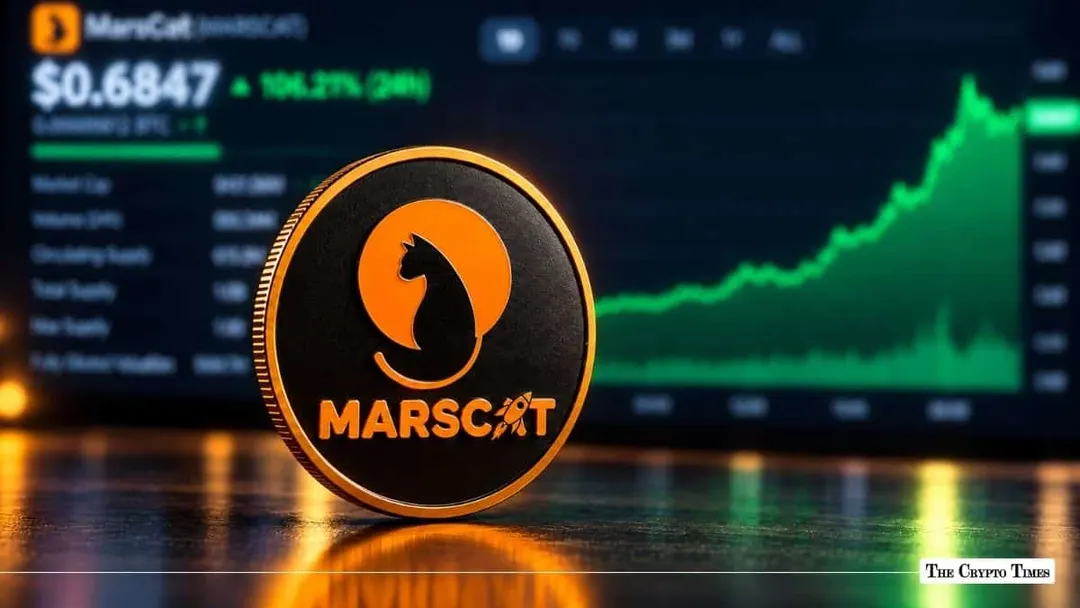
MCAT jumps 186% to $0.68 on listings and MEXC campaign
Why it matters: The rally is driven by listings and an exchange promotion rather than a fundamental event, so high volatility is likely.

Hester Peirce confirms existence of SEC innovation exemption
Why it matters: The mechanism could set the framework for future SEC decisions and reduce regulatory uncertainty for crypto projects.
Bitcoin ETFs see $328 million in daily outflows, $920 million for the week
Why it matters: Sustained ETF outflows signal weakening institutional demand and could amplify volatility in bitcoin and ether.

Binance to suspend deposits and withdrawals on September 22 for wallet upgrade
Why it matters: Users should plan transfers in advance, and holders of USDP and delisted pairs should close positions before the stated dates.

Arc launches 10,000 USDC micro-grant program for 20 projects
Why it matters: The program encourages early development in the Arc ecosystem, which could accelerate growth in the number of apps on Circle's network.

Pentagon runs classified bitcoin projects for 'strategic advantage'
Why it matters: The signal of U.S. military involvement in crypto reinforces the narrative of state interest in bitcoin.

UK tightens oversight: regulators raid P2P crypto platforms
Why it matters: The UK's tightening oversight sets the tone for other jurisdictions and increases compliance burdens on P2P services.

ZEC futures open interest jumps 29% in a day to $3.35B
Why it matters: The sharp rise in open interest and concentration of longs among large players increase the risk of volatility and a short squeeze in ZEC.

Saylor: SEC exemption allows 24/7 on-chain trading of STRC and MSTR
Why it matters: If the SEC exemption is finalized, major public companies could issue tokenized shares with 24/7 trading, accelerating the merger of TradFi and blockchain.
Telcoin: first regulated US crypto bank with token 97% below peak
Why it matters: The case shows the gap between regulatory progress and the token's market valuation: the banking license did not support the TEL price.

Waters criticizes CLARITY Act over Trump's crypto interests
Why it matters: The failure of the CLARITY Act leaves US crypto market regulation uncertain until the end of 2026, increasing pressure on the industry.

On-chain lending hits record: DeFi loans top $41B
Why it matters: The growth of on-chain lending and the shift to RWA collateral strengthen DeFi's role as an alternative to traditional lending.

Stabletrust Pay launches on Arbitrum with encrypted stablecoin payments
Why it matters: Private stablecoin payments could attract users, but they increase regulators' scrutiny of anonymity in DeFi.
Zcash tops $1,400 for the first time, up 21.28% on the week
Why it matters: Zcash is setting a record high amid hype around privacy coins, but a large short funded through ETH creates a risk of sharp liquidations.