Crypto news today

Garrett Jin sells 35,001 ETH for $87.5M, opens 3x Bitcoin long
Why it matters: Large transfers and position shifts by prominent traders are tracked by the market as a signal for ETH, BTC and ZEC.

Bitcoin stuck below $78,170 resistance as hourly RSI signals overbought
Why it matters: A break above $78,380 would open the way to $78,936 and $80,880, while a pullback would target support at $76,741–76,984.
AVAX tests $6.50–7.00 support after triangle breakout
Why it matters: Holding the $6.50–7.00 zone would keep AVAX's recovery intact, while a break above $7.80 would open the way to $8.10–8.30.

HYPE leads altcoin rally as Bitcoin returns to $78,000
Why it matters: The rally after a Fed rate hike with no negative reaction points to returning risk appetite; Bitcoin's nearest resistance is around $82,000.

Hyperliquid posts $13.48M weekly revenue, burns 156,580 HYPE
Why it matters: HYPE buybacks and burns reduce supply, but the pace depends on whether fees grow faster than the token price.
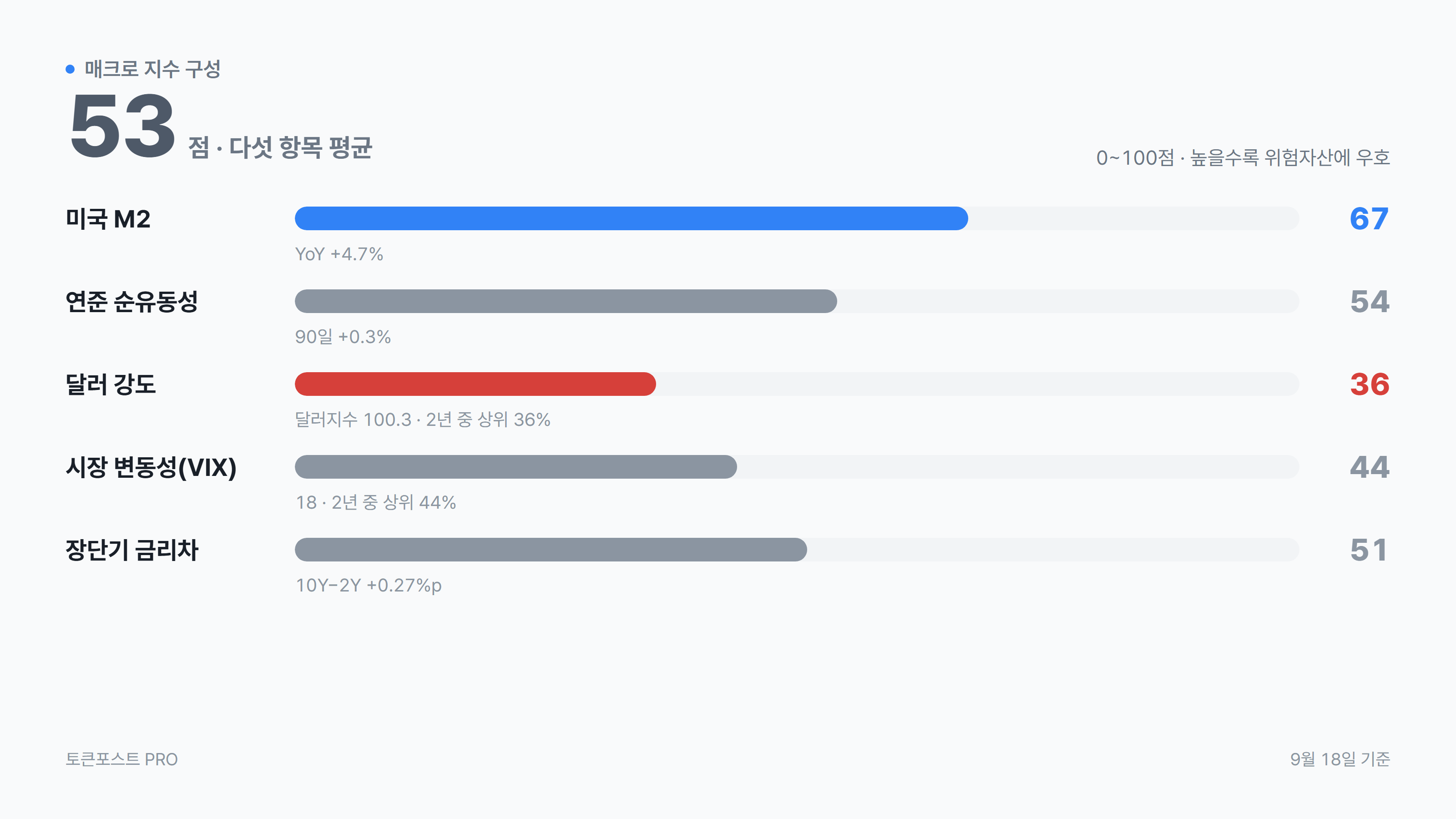
TokenPost macro index: risk appetite at 53 of 100, oil up 13.6% on the week
Why it matters: Rising oil and real rates increase the cost of holding Bitcoin and could cap risk appetite despite growing liquidity.
FINRA orders Charles Schwab to pay $1.3M over missed crypto fraud
Why it matters: The precedent strengthens brokers' liability for detecting crypto fraud targeting elderly clients.
USDC hits 420M transactions in a month, led by Solana
Why it matters: The growth in USDC transactions on Solana strengthens the stablecoin's and the network's position in DeFi settlements.

FLock.io expands UNDP partnership on public AI infrastructure in the Dominican Republic
Why it matters: It expands the use of blockchain and private AI in the public sector, but without concrete timelines there is no market impact yet.

Kevin O'Leary: blockchain adoption by major exchanges will be a turning point
Why it matters: It signals growing institutional interest in blockchain amid asset tokenization by U.S. exchanges.
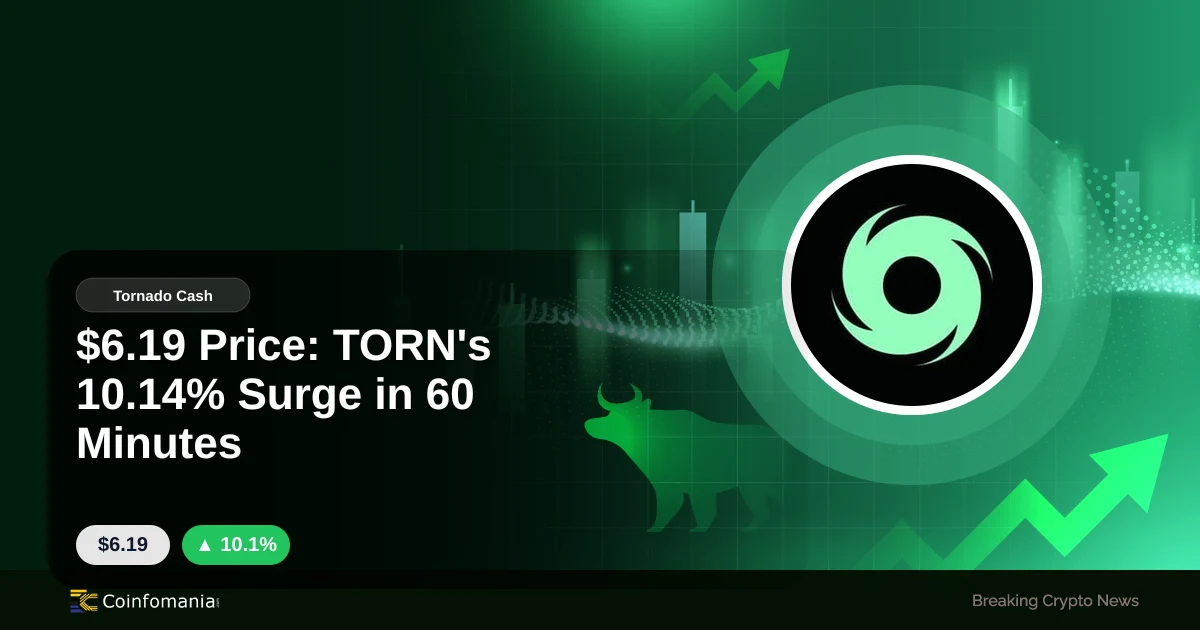
TORN jumps 10.14% to $6.19 in an hour
Why it matters: The sharp rise in TORN without an obvious catalyst points to speculative activity, with $6.25 acting as resistance.
REX Shares launches 2x ETF on Strive (ASST) stock
Why it matters: It broadens access to bitcoin treasury company Strive through a leveraged instrument on the traditional market.
Ripple's David Schwartz personally exposes fake XRP airdrop
Why it matters: Schemes targeting XRP holders remain systemic, and protection still depends on manual team response and user vigilance.
Zcash sets NU7 upgrade dates: testnet October 6, mainnet November 5
Why it matters: Faster blocks increase Zcash's throughput and could boost interest in the asset amid Grayscale's $8,100 forecast.

GPT-6 Astra cracks Enigma cipher, sparking debate on bitcoin security
Why it matters: Enigma is not comparable in complexity to bitcoin's cryptography, but the case amplifies the debate over quantum and AI threats to BTC.

CLARITY Act: three votes short of a Senate return
Why it matters: Without a market structure law, US regulators will fill the gaps with temporary rules, while the EU has already completed its MiCA transition period.

Bank of England holds at 3.75%, Barclays sees hikes in November and February
Why it matters: The Bank of England's hawkish pivot, following the Bank of Japan, adds pressure on risk assets, including crypto.

HYPE climbs toward $88 on SEC exemption and NEAR confidential perpetuals
Why it matters: The SEC exemption and private trading could strengthen institutional inflows into Hyperliquid and push HYPE to a new high.
CoinW launches STONK and ZCAT perpetual futures with up to 25x leverage
Why it matters: Expanding access to memecoin derivatives raises speculative activity and volatility in these tokens.
Cardano votes on withdrawing 11.8 million ADA from treasury by October 11
Why it matters: Approval would bring audited tooling and institutions to the network; failure would preserve the status quo in development funding.