Crypto news today

Revolut weighs dual listing on Nasdaq and London Stock Exchange
Why it matters: A valuation of up to $200 billion would make Revolut more valuable than Barclays and BP, while the dual listing would set a benchmark for crypto-fintech companies seeking to go public.
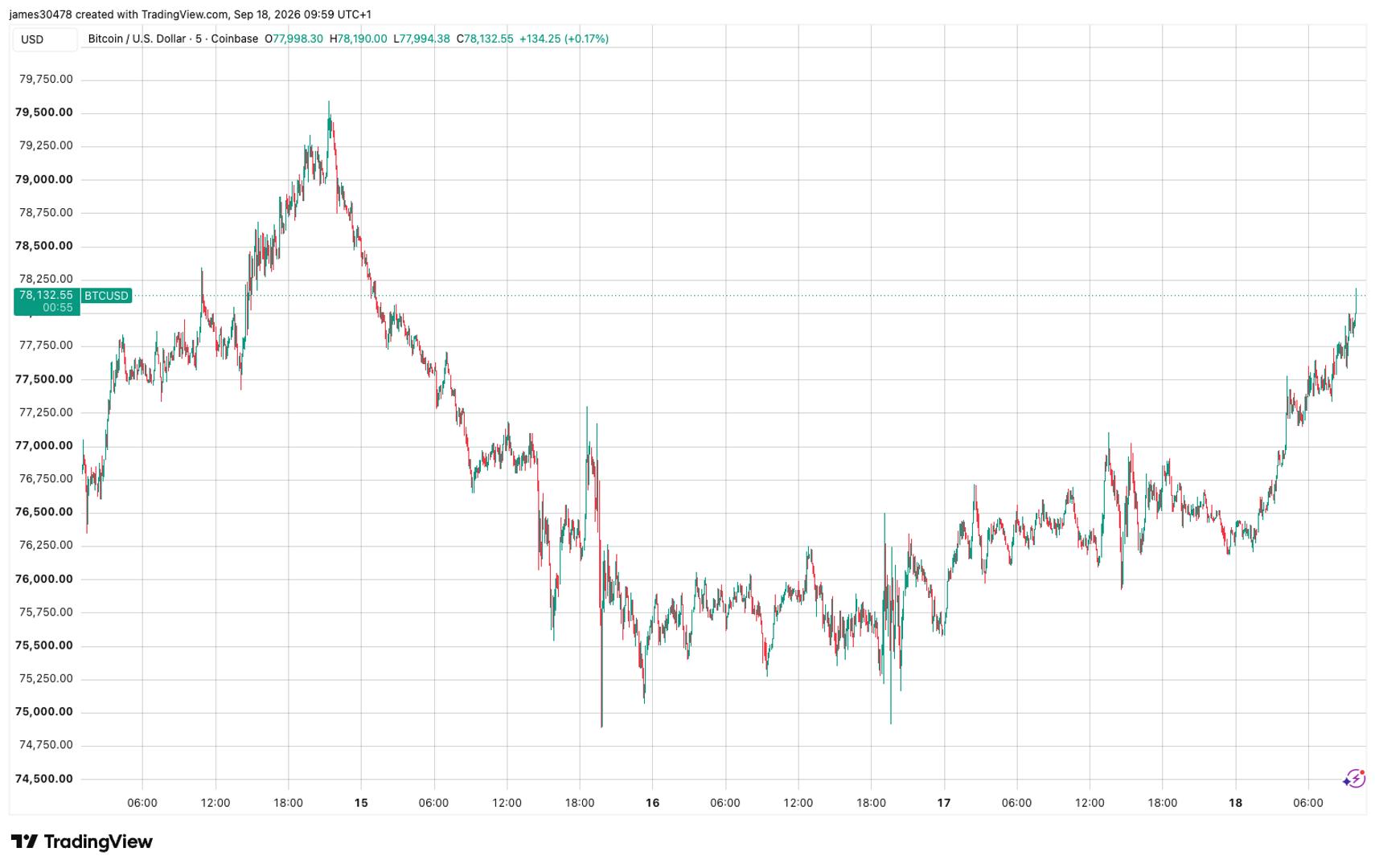
Bitcoin holds above $77,000 as September closes down just 1.5%
Why it matters: The muted reaction to negative news points to seller exhaustion; historically, the fourth quarter has delivered bitcoin an average gain of +77%.
Stablecoin market cap on Base network tops $5 billion
Why it matters: The growth of stablecoins on Base confirms demand for L2 settlement and strengthens the network's position in payments.
Bitcoin back at $78,000 as altcoins lead rally: UNI +33%, ARB and NEAR +27%
Why it matters: Broad altcoin gains after easing macro pressure point to a return of risk appetite; sustainability depends on bitcoin holding $78,000.

Russia's central bank to cap bank crypto exposure at 1% of capital
Why it matters: Russian banks are getting a hard cap on crypto exposure, which curbs institutional demand for digital assets inside the country.

Bitcoin limits September decline to 1.5% amid Fed rate hike and CLARITY Act failure
Why it matters: Bitcoin's muted reaction to macro and regulatory shocks may indicate seller exhaustion, but further rate tightening remains a risk.
Glassnode: bitcoin back above 'True Market Mean' price
Why it matters: A return above holders' average price reduces selling pressure and could open the path to $80,000–85,000.

XRP at $1.29: key levels are $1.10 support and $1.63–1.65 resistance
Why it matters: Holding $1.10 would preserve the higher-low structure, while a break would open the path to $0.94 and below.

Kazakhstan court sentences CVK crypto pyramid organizer to two years
Why it matters: The case shows regulators continue to pursue crypto pyramids, and USDT confiscation is becoming standard practice.
Ethereum Foundation sends $2.45M in ETH to unlabeled wallet
Why it matters: Ethereum Foundation fund movements are traditionally seen by the market as a signal of possible ETH sales.

Toss and Korea Minting complete blockchain payments PoC on Optimism
Why it matters: The pilot prepares Toss for commercialization of digital currency and could accelerate the adoption of blockchain settlements in Korea's public payments.

Aracore joins Paxos's Global Dollar Network
Why it matters: The expansion of GDN strengthens USDG's competition with USDT and USDC in institutional settlements.
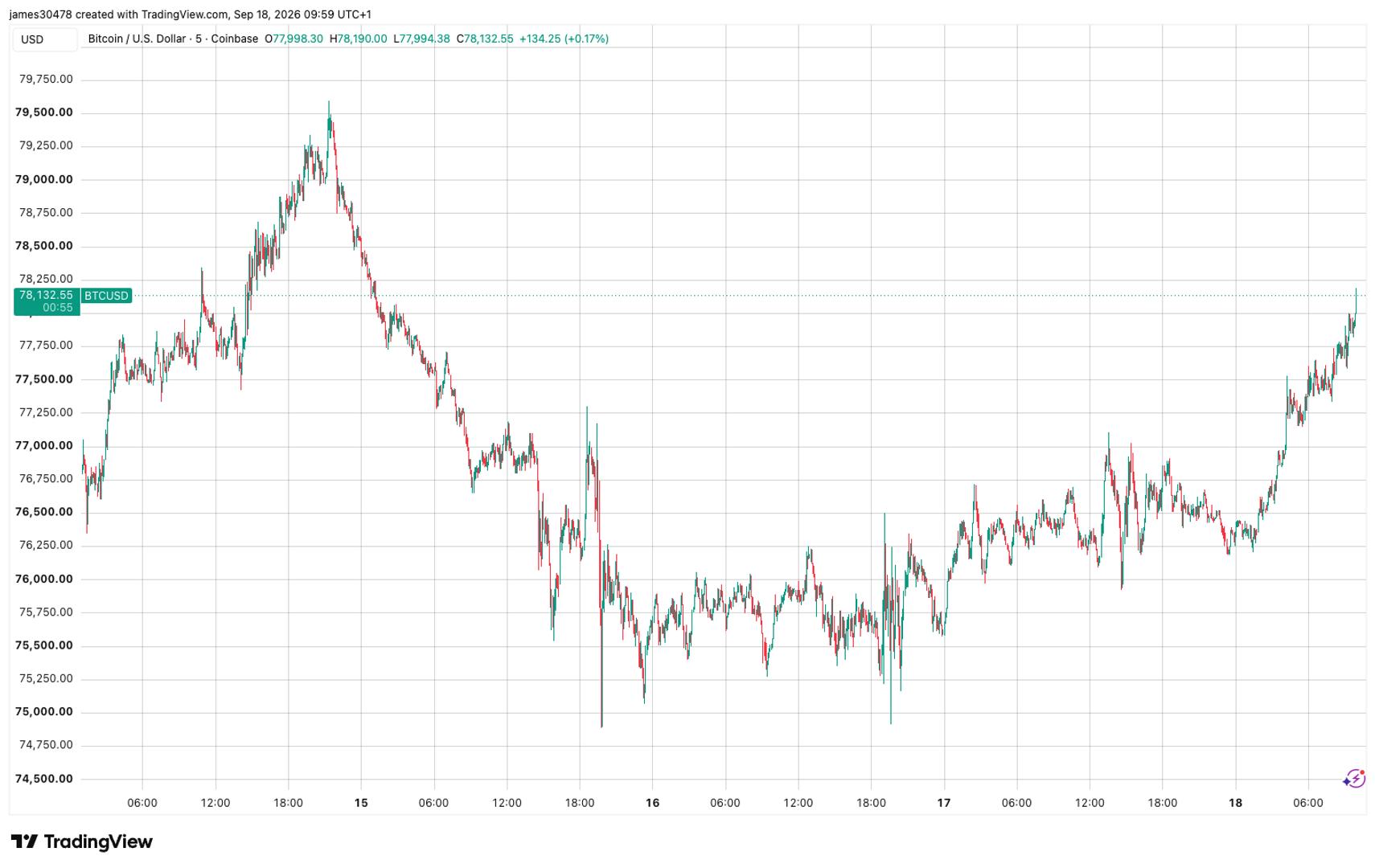
Bitcoin weathers September storm: Fed rate hike and CLARITY Act failure don't sink market
Why it matters: Resilience to bad news points to seller exhaustion; an improvement in macro or regulation could provide a growth impulse.
CryptoQuant: whales moved 1.6B XRP to Binance
Why it matters: Rising exchange inflows could increase seller pressure on XRP, but without growth in net deposits and volumes it is more likely trading and redistribution.

Bitcoin at $78,000, Ethereum and XRP prepare to break out as bulls return
Why it matters: Until the Coinbase Premium turns positive, a sustained recovery is unlikely — BTC is likely to trade sideways in the $76,000–82,000 range.

Bitcoin rises 2.15% to $78,081, holding above $78,000 after FOMC
Why it matters: The rebound confirms a recovery after FOMC, but weak volume and a bearish MACD do not guarantee a sustained breakout above $78,500.

Ethereum rebounds 2.75% to hold above $2,500
Why it matters: Triple defense of the $2,450–2,500 level points to base formation, but weak volume and MACD do not confirm a sustained reversal.

UNI breaks $9.15 with 33.83% daily gain
Why it matters: UNI accelerates its rally amid SEC regulatory easing and rising DeFi activity, boosting interest in DEX tokens.
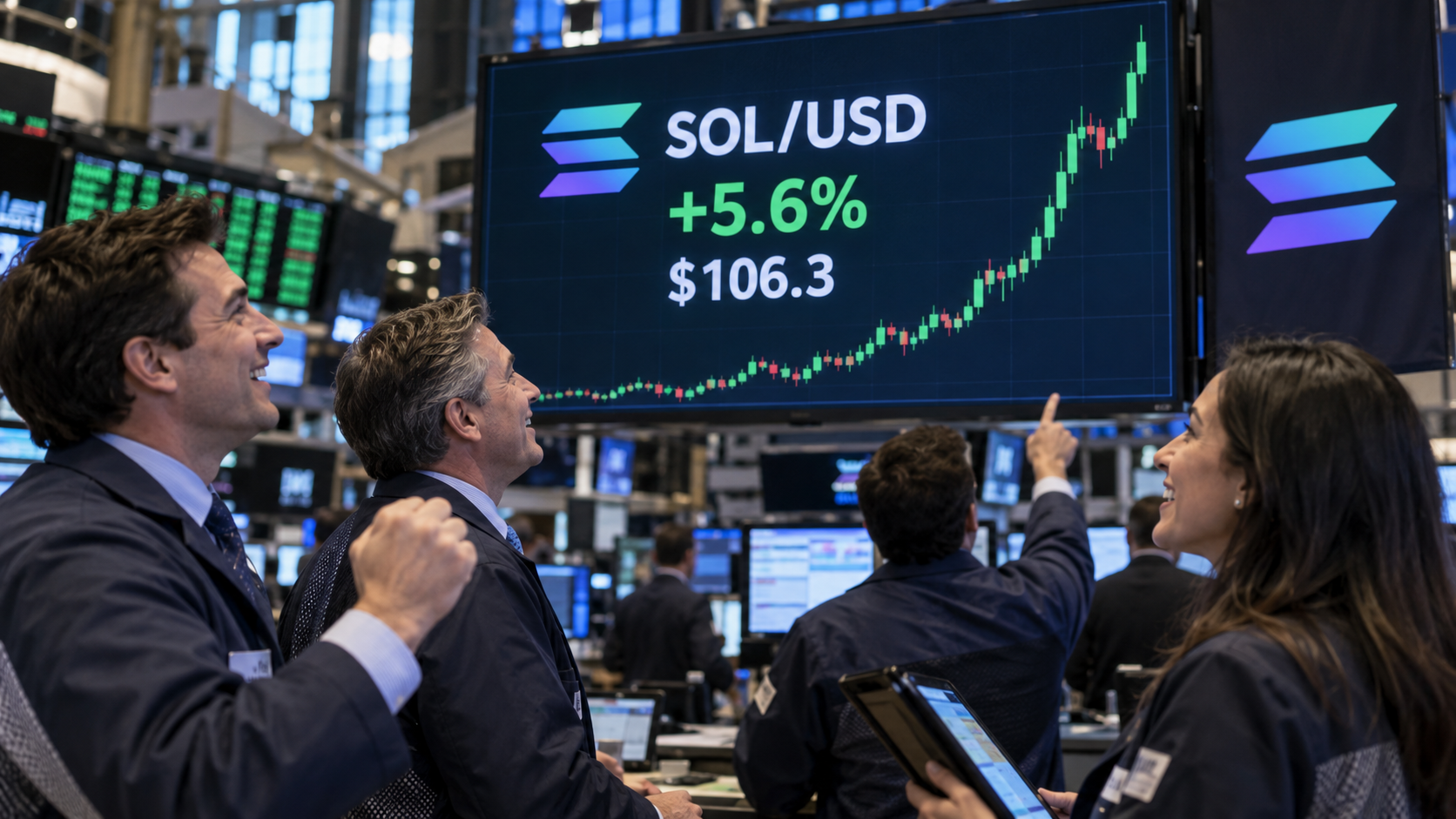
Solana rises 6% to $106 after Fed rate hike shock
Why it matters: Solana's rise depends on institutional inflows and regulatory clarity; a break above $110 would confirm the bullish scenario, while a drop below the 200-day EMA would revive the risk of $90.

Bitcoin holds above $78,000 but momentum slows
Why it matters: The trend structure is intact, but overbought conditions on the hourly chart raise the risk of a short-term correction to support at $76,741.