Crypto news today

VanEck expects Bitcoin at $100,000 in 2025 on rising government debt
Why it matters: VanEck's forecast reinforces the narrative of Bitcoin as a hedge against fiscal risks, but the target is 29% above the market.

Exchanges received 7,267 BTC in a day as US trading volume fell 58%
Why it matters: Rising exchange balances and the concentration of trading in Europe point to caution among Asian and US traders.

US 10-year Treasury yield holds near 5%
Why it matters: Rising US Treasury yields increase the opportunity cost of holding Bitcoin and weigh on risk assets.
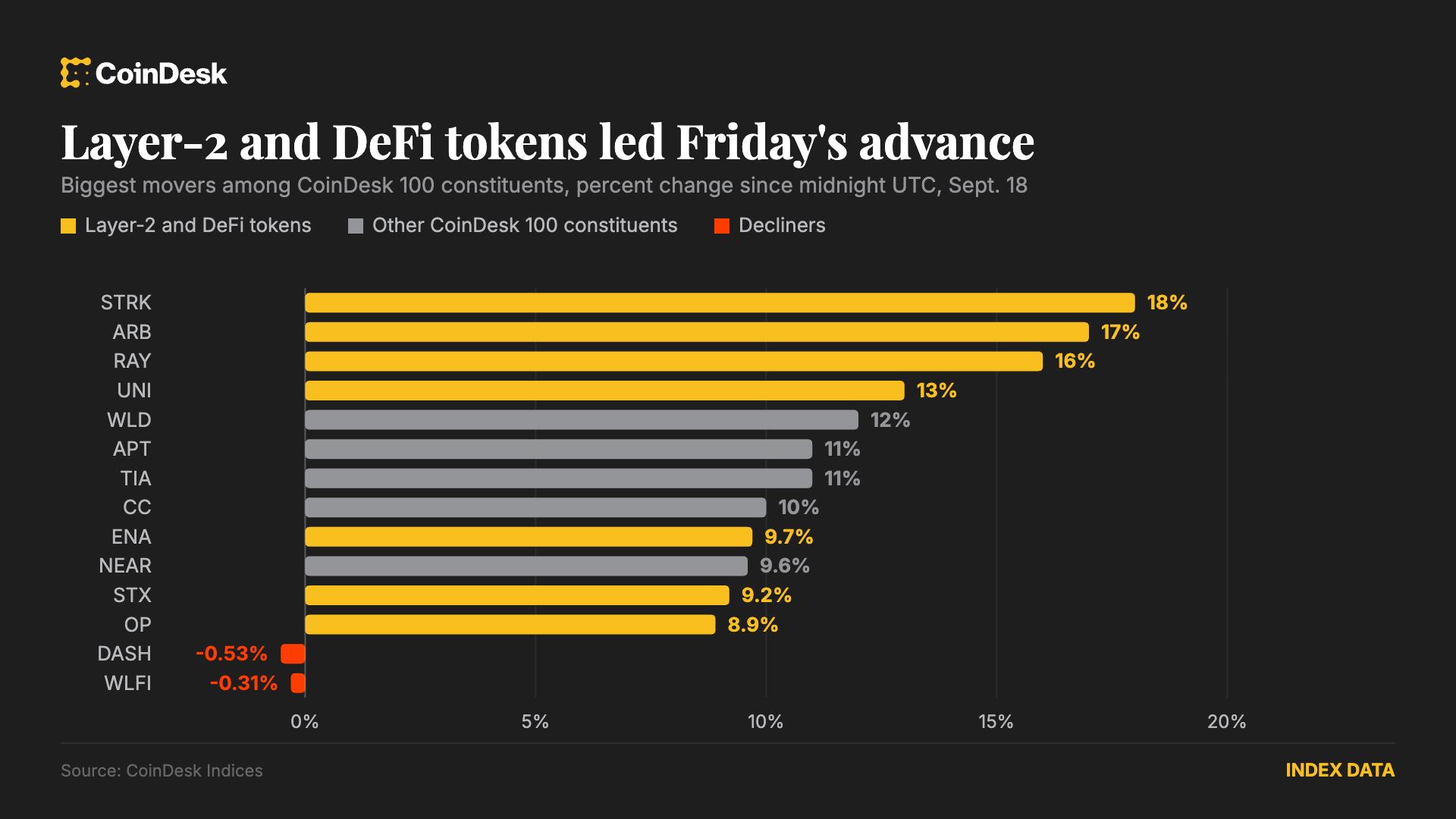
L2 and DeFi tokens lead market rally as Fed rate nerves ease
Why it matters: The rotation of capital into L2 and DeFi tokens signals a return of risk appetite after the shock of the Fed rate hike.
HYPE breaks $90 to set a new all-time high
Why it matters: HYPE's new high confirms demand for the Hyperliquid token amid rising revenue and buybacks.

US 10-year Treasury yield holds above 5% after Fed rate hike
Why it matters: High real rates raise the opportunity cost of holding Bitcoin and pressure DeFi yields, demanding a risk premium.

AI model Claude helped find a chain of OpenAI vulnerabilities in 72 hours
Why it matters: AI is speeding up exploit development to hours, raising risks for crypto infrastructure and wallets.
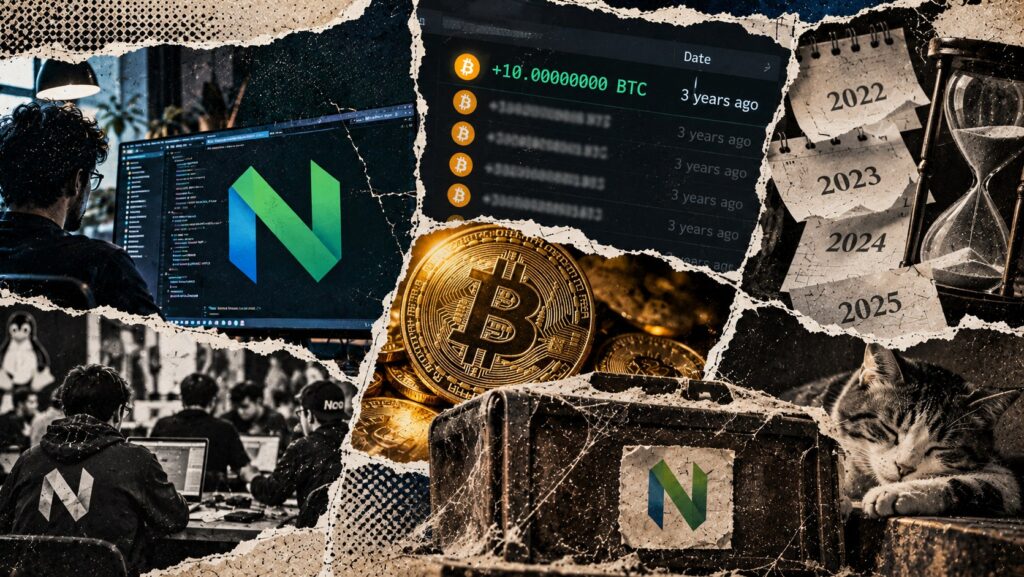
Neovim's Bitcoin address received 10 BTC in 2023 and remains untouched
Why it matters: A large "forgotten" Bitcoin balance at a well-known open-source project is a reminder of key-loss risks and that old addresses can remain inactive for years.

Revolut weighs dual listing on Nasdaq and London Stock Exchange
Why it matters: A valuation of up to $200 billion would make Revolut more valuable than Barclays and BP, while the dual listing would set a benchmark for crypto-fintech companies seeking to go public.
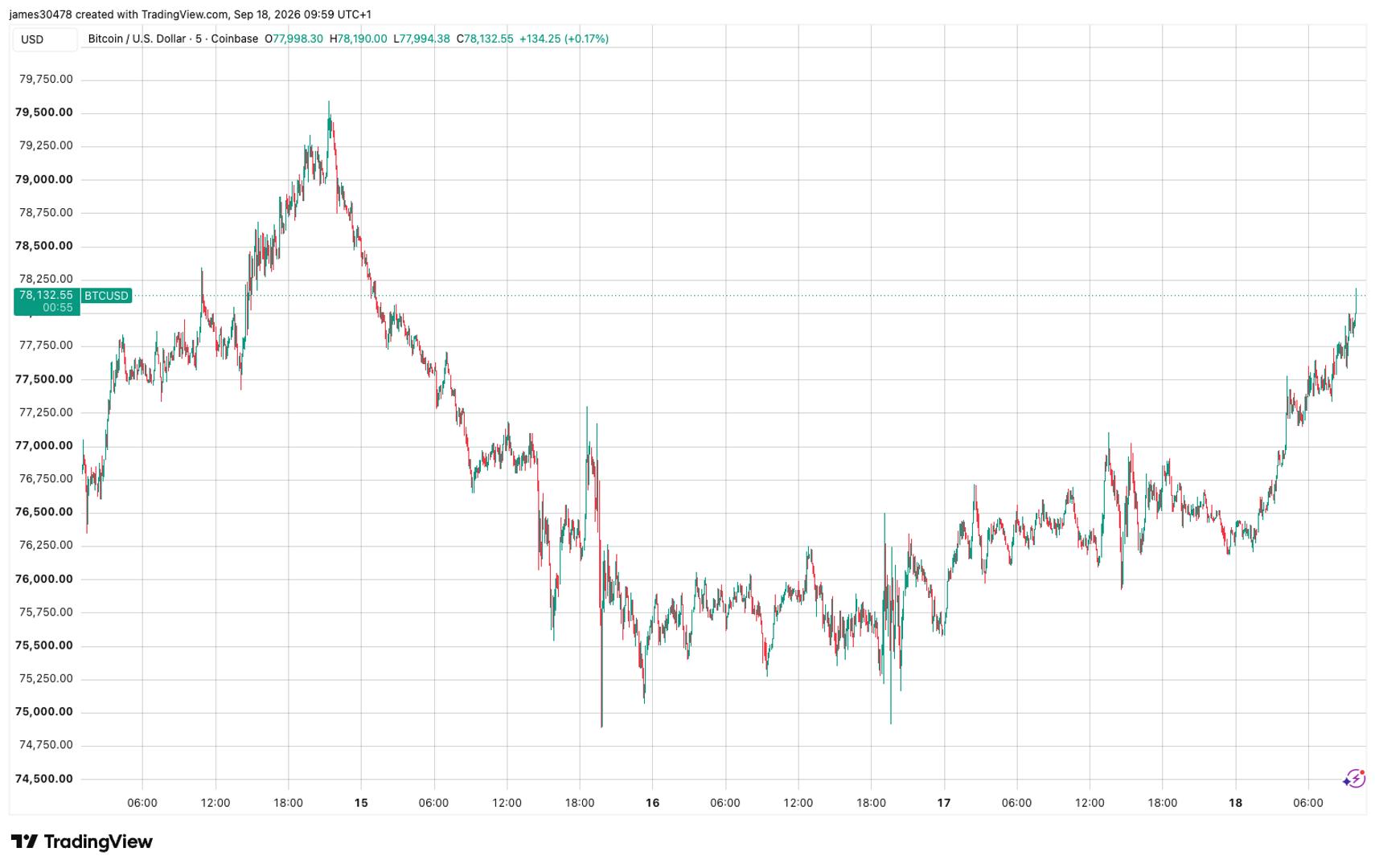
Bitcoin holds above $77,000 as September closes down just 1.5%
Why it matters: The muted reaction to negative news points to seller exhaustion; historically, the fourth quarter has delivered bitcoin an average gain of +77%.
Stablecoin market cap on Base network tops $5 billion
Why it matters: The growth of stablecoins on Base confirms demand for L2 settlement and strengthens the network's position in payments.

Bitcoin back at $78,000 as altcoins lead rally: UNI +33%, ARB and NEAR +27%
Why it matters: Broad altcoin gains after easing macro pressure point to a return of risk appetite; sustainability depends on bitcoin holding $78,000.

Russia's central bank to cap bank crypto exposure at 1% of capital
Why it matters: Russian banks are getting a hard cap on crypto exposure, which curbs institutional demand for digital assets inside the country.

Bitcoin limits September decline to 1.5% amid Fed rate hike and CLARITY Act failure
Why it matters: Bitcoin's muted reaction to macro and regulatory shocks may indicate seller exhaustion, but further rate tightening remains a risk.
Glassnode: bitcoin back above 'True Market Mean' price
Why it matters: A return above holders' average price reduces selling pressure and could open the path to $80,000–85,000.

XRP at $1.29: key levels are $1.10 support and $1.63–1.65 resistance
Why it matters: Holding $1.10 would preserve the higher-low structure, while a break would open the path to $0.94 and below.

Kazakhstan court sentences CVK crypto pyramid organizer to two years
Why it matters: The case shows regulators continue to pursue crypto pyramids, and USDT confiscation is becoming standard practice.
Ethereum Foundation sends $2.45M in ETH to unlabeled wallet
Why it matters: Ethereum Foundation fund movements are traditionally seen by the market as a signal of possible ETH sales.

Toss and Korea Minting complete blockchain payments PoC on Optimism
Why it matters: The pilot prepares Toss for commercialization of digital currency and could accelerate the adoption of blockchain settlements in Korea's public payments.

Aracore joins Paxos's Global Dollar Network
Why it matters: The expansion of GDN strengthens USDG's competition with USDT and USDC in institutional settlements.