Crypto news today

Fetch.ai halts bridge and AGIX-FET conversions after SingularityNET exploit
Why it matters: Another cross-chain bridge exploit underscores their vulnerability, and FET and AGIX could face pressure until conversions resume.
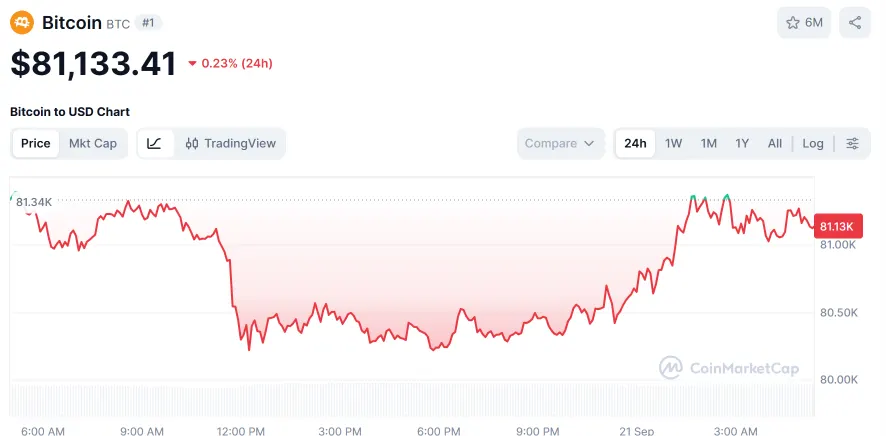
Bitcoin at $81,120 with major liquidation zones at $12.9 billion and $8.5 billion ahead
Why it matters: Dense liquidation zones above and below mean volatility will spike sharply if either level is breached.
Ripple connects XRP Ledger to Stripe's machine payments protocol
Why it matters: The integration expands XRP's use in payments for AI agents and machine-to-machine settlements, intensifying competition with other payment blockchains.

RAT malware steals over $235,000 in crypto from hundreds of victims in 48 hours
Why it matters: A reminder of self-custody risks: crypto transactions are irreversible, and once a device is infected the keys are effectively under the attacker's control.

Multicoin co-founder says crypto market too optimistic, correction possible
Why it matters: A signal of cooling U.S. demand and a warning about overheating could make traders more cautious at current levels.

Liquid loses nearly 4,000 BTC to software flaw, not stolen keys
Why it matters: The incident shows that key protection does not guarantee asset safety: software vulnerabilities and insurance payout limits shift losses onto customers.

Robinhood adds frxUSD as its first stablecoin pool
Why it matters: A major retail platform opening access to Frax's stablecoin could intensify competition in the stablecoin segment.

Polymarket puts 22% odds on Bab el-Mandeb Strait closing this year
Why it matters: The strait carries about 12% of global trade; its closure would hit oil, LNG and freight rates, feeding into crypto via risk-off sentiment.
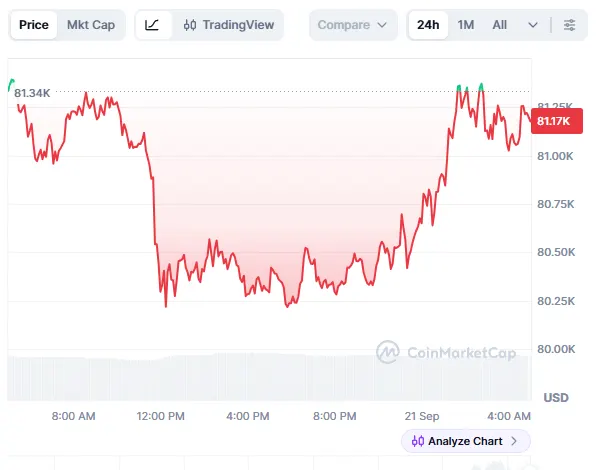
Crypto market softens: bitcoin at $81,161, ethereum at $2,632
Why it matters: Falling derivatives volumes and BTC's shrinking share suggest a pause in position-building ahead of fresh macro and regulatory triggers.
STX jumps 13% on accumulation and rising open interest
Why it matters: Spot accumulation and rising OI point to bullish positioning, but the narrow liquidation gap suggests weak trader conviction.
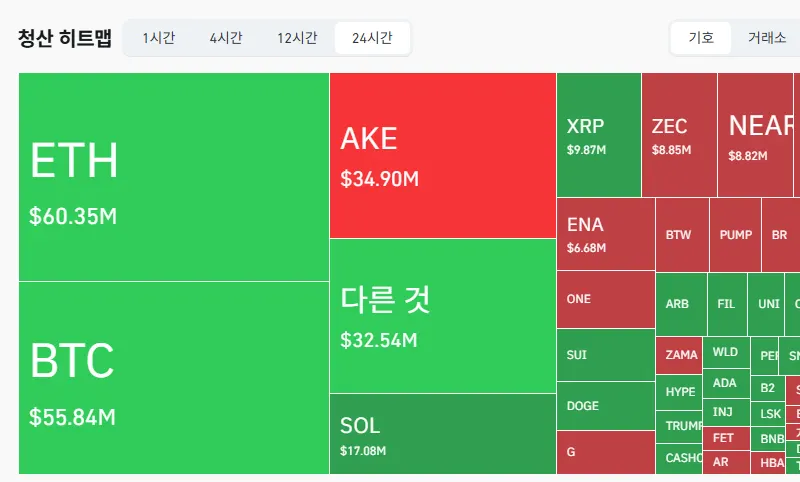
$184.05 million liquidated in 24 hours, 60.81% longs
Why it matters: The dominance of long liquidations signals market caution after the pullback from $82,000 and the risk of further declines if $80,000 breaks.

Weekly wrap: CLARITY Act fails, Kraken to launch onchain perps on Hyperliquid
Why it matters: The launch of regulated onchain perpetuals in the U.S. legitimizes DeFi derivatives and strengthens Hyperliquid and HYPE.

TRON ETF launches, giving investors exchange-traded access to TRX
Why it matters: Expanding crypto ETFs to altcoins simplifies institutional access to TRX and could support demand for the token.

$445 million in short liquidations pushes Bitcoin above $81,000
Why it matters: Mass short closures reinforce Bitcoin's upward momentum and could accelerate a move toward $82,000 resistance.

Google infiltrated hacker group TeamPCP and helped stop an attack
Why it matters: The case shows that AI is accelerating exploit development, while covert intelligence work inside such groups is becoming a key method of protecting crypto infrastructure.

Solana moves to 250 ms slots: early data and instability risks
Why it matters: Faster slots speed up transaction inclusion but shrink the window for leadership transfer and repairs, raising the risk of correlated failures.

Paradex executes $15.76 million ETH options trade
Why it matters: The growth of RFQ venues like Paradex intensifies competition with Deribit, which holds about 85% of the BTC and ETH options market.

Hyperliquid open interest tops $8.1 billion, a record high
Why it matters: The on-chain exchange's growing share of the global derivatives market intensifies competition with CEXs and supports HYPE demand through burns.

Stellar activates Protocol 28 "Adapter" on mainnet
Why it matters: Growth in RWA and stablecoins on Stellar intensifies competition for institutional tokenization, but the effect depends on real Soroban adoption.

ZAMA hits record high of $0.092 as privacy tokens rally
Why it matters: ZAMA's rally reflects capital rotation into privacy tokens; holding $0.08 will determine the next trend.