Crypto news today
CORE plunges 17% in 15 minutes to $0.61
Why it matters: The sharp sell-off amid thin liquidity signals speculative volatility; holding $0.61 will determine the next trend.

SkyAI rejects Forward Industries' $2.13 per share buyout offer
Why it matters: The case shows that for DAT companies, not only coin reserves matter but also capital structure, share dilution, and management compensation.

Aptos launches Confidential APT on mainnet
Why it matters: Transaction privacy could boost demand for APT and intensify competition with anonymous networks like Zcash.
UNI jumps 19% to $7.91 on SEC exemption for tokenized stocks
Why it matters: The SEC's recognition of Uniswap v4 pools strengthens the tokenized stocks narrative and could attract institutional demand for UNI.
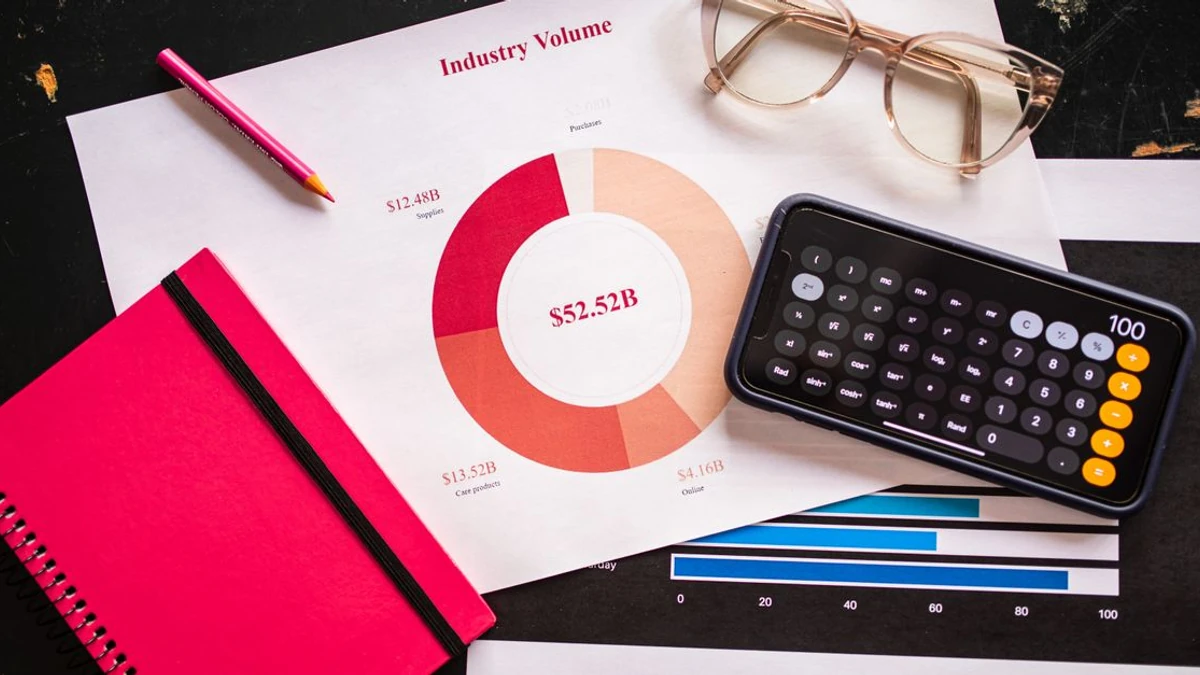
Tokenized stock holders reach 4.1 million
Why it matters: The growing number of holders confirms retail demand for tokenized stocks, intensifying exchange competition and pressure on regulators.
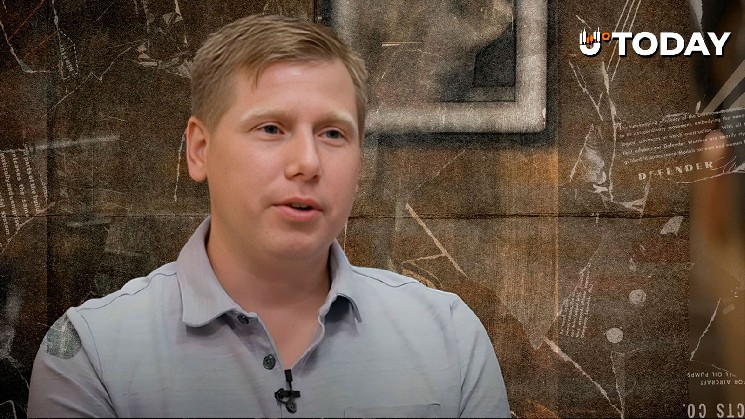
Barry Silbert calls Bittensor (TAO) the successor to Zcash and Bitcoin
Why it matters: A major institutional investor publicly shifting from BTC/ZEC into the decentralized AI sector could boost demand for TAO.

Paul Barron: SEC exemption for tokenized stocks will make Solana the biggest beneficiary
Why it matters: Growth in stock tokenization could increase transaction load and demand for SOL, intensifying Solana's competition with Ethereum for institutional flows.
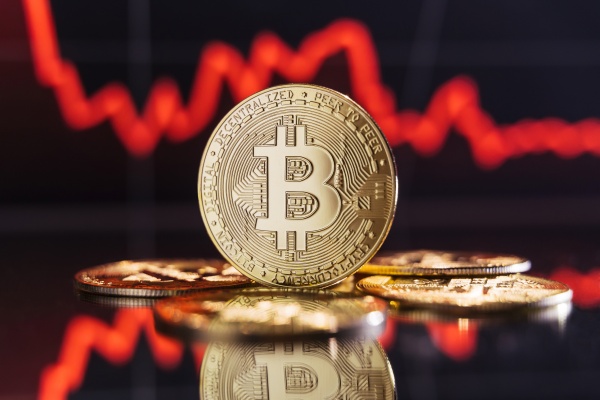
Glassnode: Bitcoin demand weakens as realized cap falls for first time in 28 days
Why it matters: Weak on-chain demand and ETF outflows put the $76,700 hold in question; losing the level would open the path to $71,300.
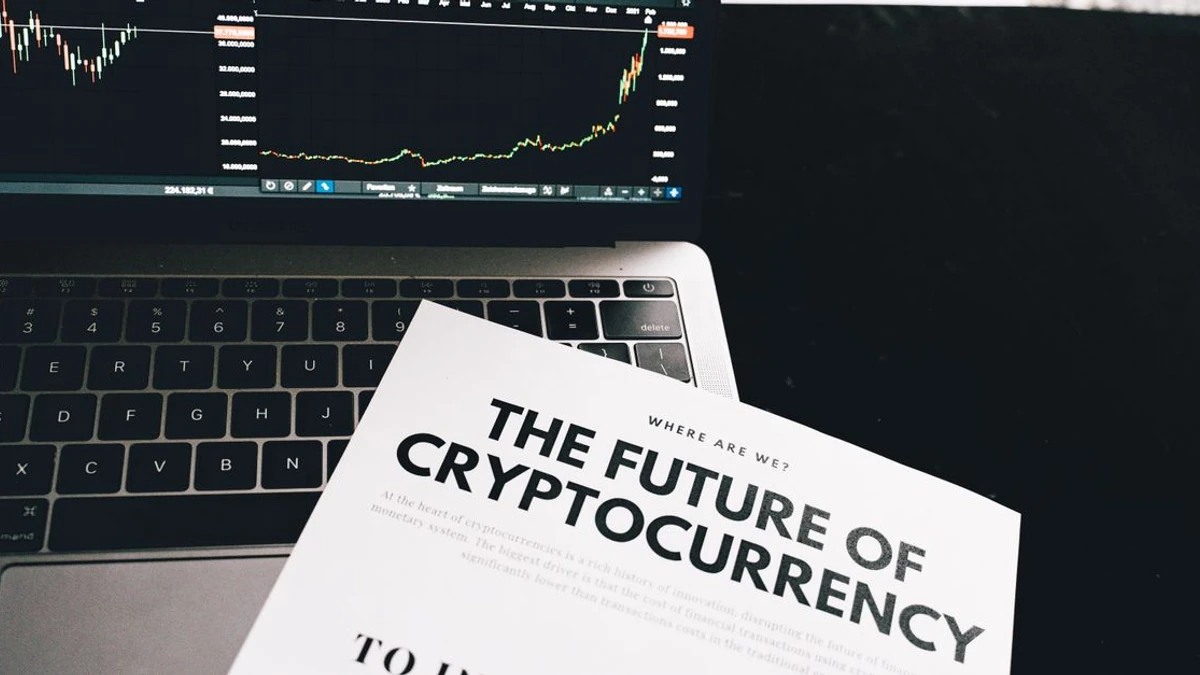
Whale Alert: 1,300 BTC Worth $105M Moved Between Unknown Wallets
Why it matters: Large whale transfers often precede market moves, and traders watch them as a signal of accumulation.
Robinhood Shares Jump 9% on Tokenized Stock Trading Rules
Why it matters: Tokenizing stocks expands the market for brokers like Robinhood and strengthens the link between crypto and traditional securities.

Strive Buys 469 BTC for $36.6M, Reserves Reach 25,000 Bitcoins
Why it matters: Strive became the fifth-largest public holder of bitcoin, confirming corporate demand for BTC through preferred shares without dilution.
NEAR Rises 50% in Two Days on Launches and Ecosystem Growth
Why it matters: The sustainability of the rally depends on whether activity in the Near ecosystem continues to grow, not just speculative demand.

Cardano Prepares Pogun to Unlock $1.6T Bitcoin Liquidity in DeFi
Why it matters: The launch could open new demand for ADA and bring the largest pool of capital into DeFi, but timing depends on the Leios upgrade.

Pi Network to Unlock 914K Users After KYC and Mainnet Fix
Why it matters: Lifting KYC and migration blocks could restore activity for a significant part of the Pi community and speed up the token's transition to mainnet.

Polygon Prepares to Burn 100M POL via Permissionless Contract
Why it matters: The burn will reduce POL supply but does not cancel the 2% annual issuance — the deflationary effect depends on future fees.

BofA: Fed Under Warsh Could Raise Rates Above 5%
Why it matters: A more aggressive Fed cycle will increase pressure on the crypto market and risk assets, supporting the dollar and yields.
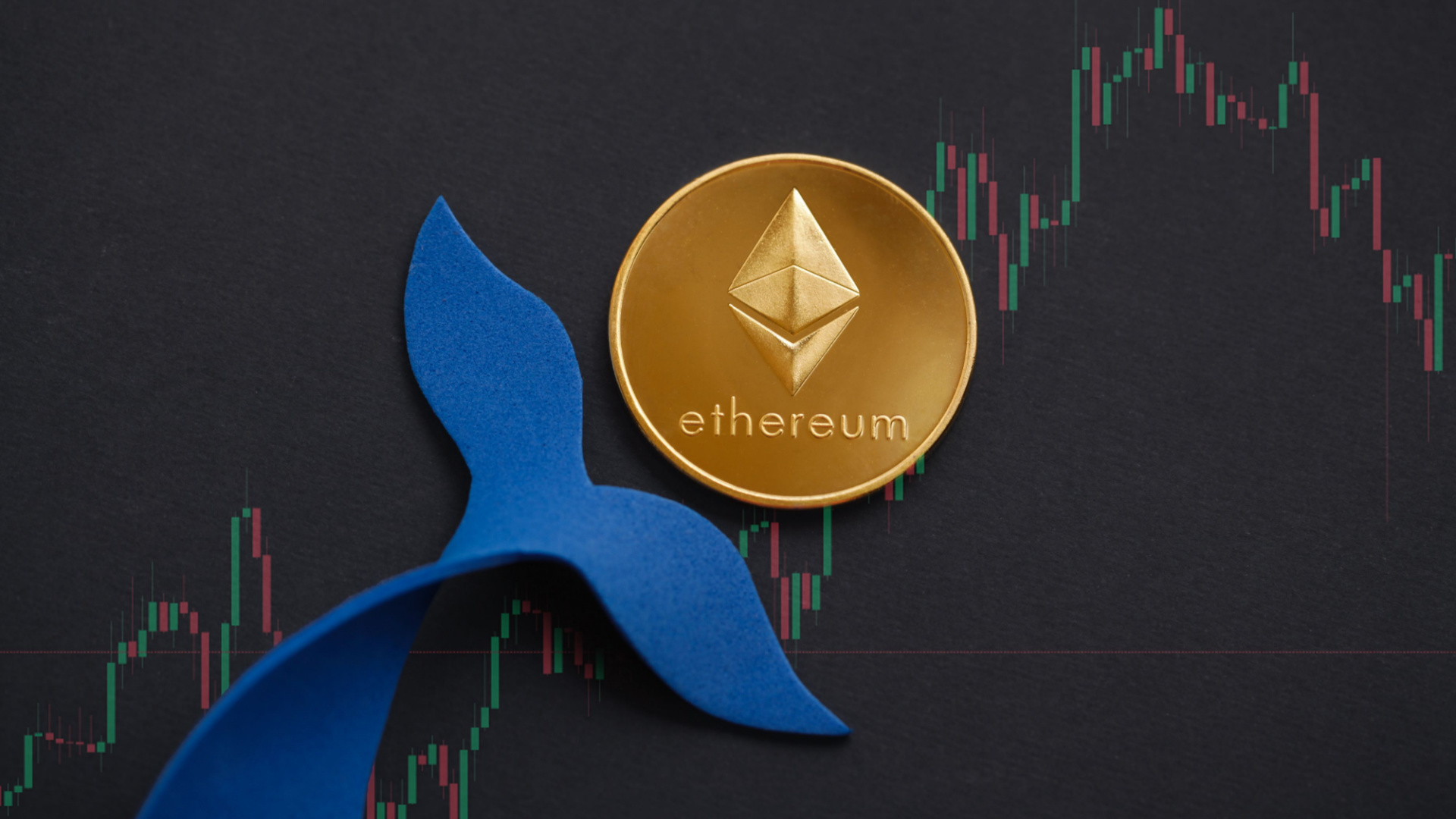
Ethereum hits January high as wallets with balance set record
Why it matters: The growth in addresses and whale activity points to an expanding holder base, but does not guarantee price stability.
Coinbase shares jump 12% after SEC approves tokenized stocks
Why it matters: It opens a legal path for trading tokenized stocks on crypto platforms, strengthening the link between TradFi and crypto.
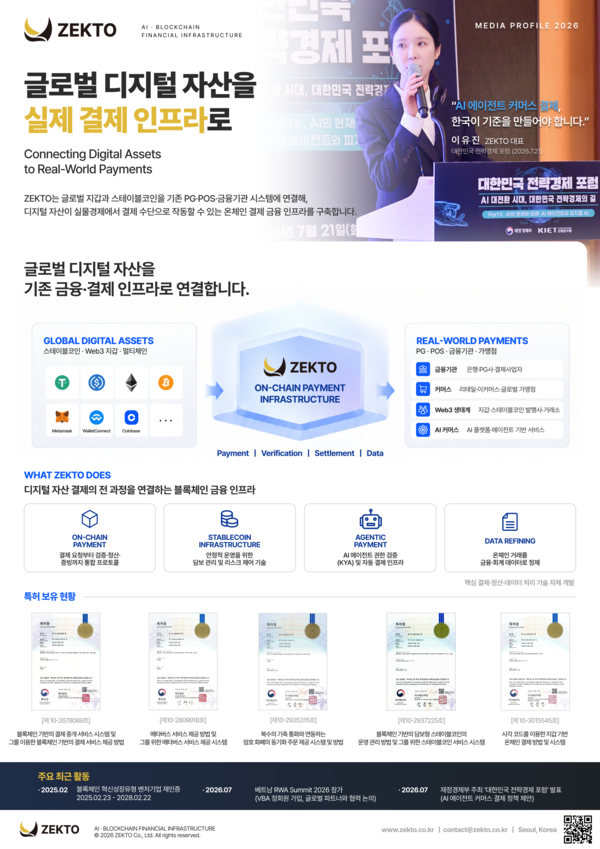
Zecto patents on-chain payments via QR codes and external blockchain wallets
Why it matters: The patent and pilot with real POS terminals could accelerate the adoption of stablecoin payments in Korean retail.
Ethereum breaks $2,600 after $85 million short squeeze
Why it matters: Breaking resistance at $2,600 could turn it into support, but sustainability depends on buyers arriving without leverage.