Why is crypto crashing today? Crypto crash news
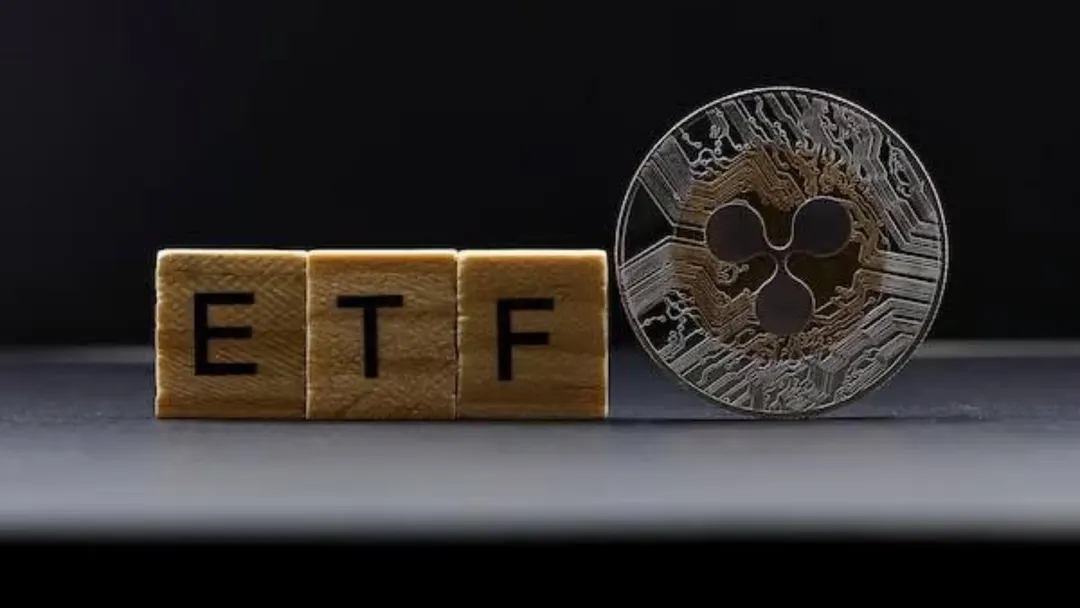
First US spot XRP ETF down 60% a year after launch
Why it matters: XRP ETF inflows have stayed positive since July but failed to offset macro pressure and the decline in XRP itself.
Largest PONS short seller on Hyperliquid closes position for $1.35M profit, opens new one
Why it matters: The activity of the largest PONS short seller may signal an expectation of further declines in the token's price.

Pi Network falls 15% and loses $1 billion market cap
Why it matters: The continued downtrend and loss of the $1 billion market cap point to PI weakness amid tightening liquidity.

Miners raise $35 billion in debt for AI infrastructure as growth slows
Why it matters: Heavy debt constrains miners: delays in AI capacity revenue could hurt their ability to service loans.

FF falls 9% to $0.125 amid $570 million liquidations after CLARITY Act failure
Why it matters: FF is testing support at $0.1249 (38.2% Fibonacci and SMA-20); a break below would increase pressure on mid-cap altcoins.
Glassnode: new capital inflows into Bitcoin market have stalled
Why it matters: The absence of fresh capital limits Bitcoin's upside potential and raises the risk of a correction if the macro backdrop deteriorates.
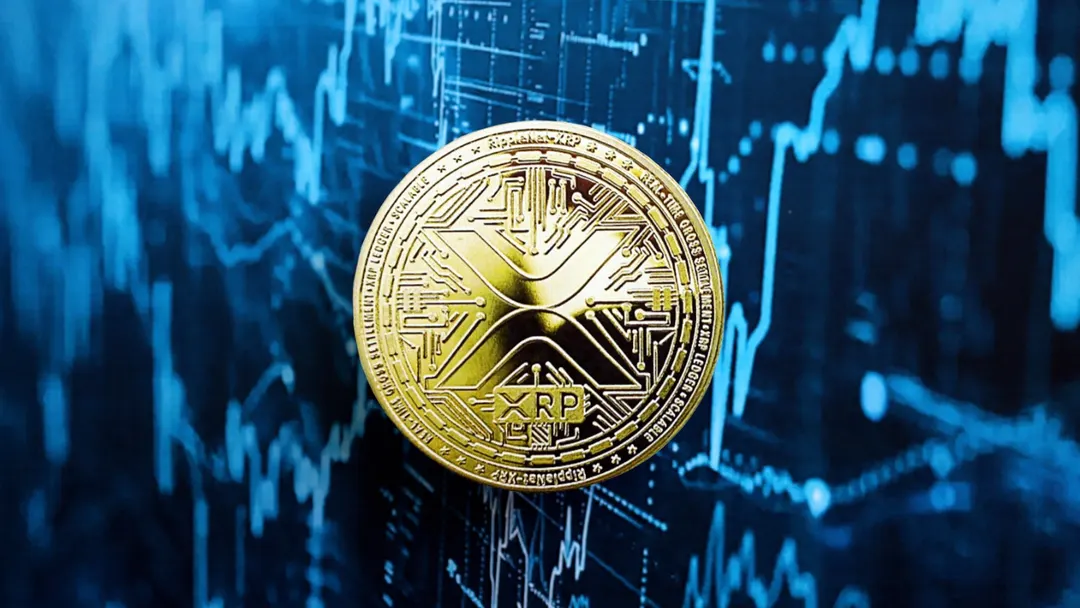
XRP reserves on Binance hit 69-day high
Why it matters: Rising exchange reserves may signal that whales are preparing to sell, adding pressure on the XRP price.
XRP at $1.29: key levels are $1.10 support and $1.63–1.65 resistance
Why it matters: Holding $1.10 would preserve the higher-low structure, while a break would open the path to $0.94 and below.

CryptoQuant: whales moved 1.6B XRP to Binance
Why it matters: Rising exchange inflows could increase seller pressure on XRP, but without growth in net deposits and volumes it is more likely trading and redistribution.

Whale Alert: 880 BTC worth $68.37M transferred to Coinbase
Why it matters: A large inflow of BTC to an exchange could increase seller pressure and affect short-term price dynamics.

Wallet sells 500K UNI after accumulating 1M over six months
Why it matters: Large whale sales could add pressure on the UNI price, but a single transaction is not enough to judge the trend.

Analysts: Bitcoin treasuries riskier than direct BTC ownership
Why it matters: Investors should evaluate treasury stocks not by total BTC holdings but by debt load and dilution — risks spike sharply in a weak market.

Bitcoin returns to $77,500, but whales prepare to sell
Why it matters: Whale on-chain signals diverge from the price rebound, raising the risk of a renewed BTC decline.
Whale moves 1,651.82 BTC worth $126.7 million back to Kraken
Why it matters: Returning a large BTC volume to an exchange may signal preparation to sell and weighs on the price.
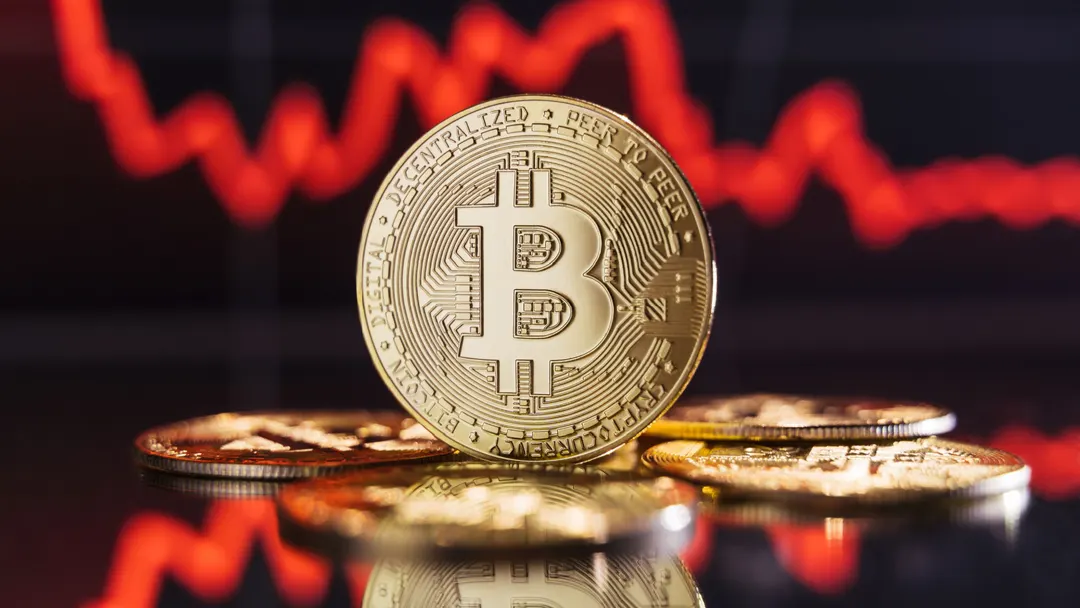
Public company bitcoin buying falls from 100,000 to 5,900 BTC in a quarter
Why it matters: Slowing corporate demand and treasury losses weaken bitcoin's support and raise the risk of seller pressure.
Whale Sells 600K UNI for $5.1M, Sends Another 100K to OKX
Why it matters: Pressure from a large holder on UNI's price could intensify the sell-off if they continue moving tokens to exchanges.

Global Unichip Hits Record High as AI Chip Demand Squeezes Bitcoin Mining
Why it matters: Pressure from AI demand on chip manufacturing could slow hashrate growth and worsen miners' economics.
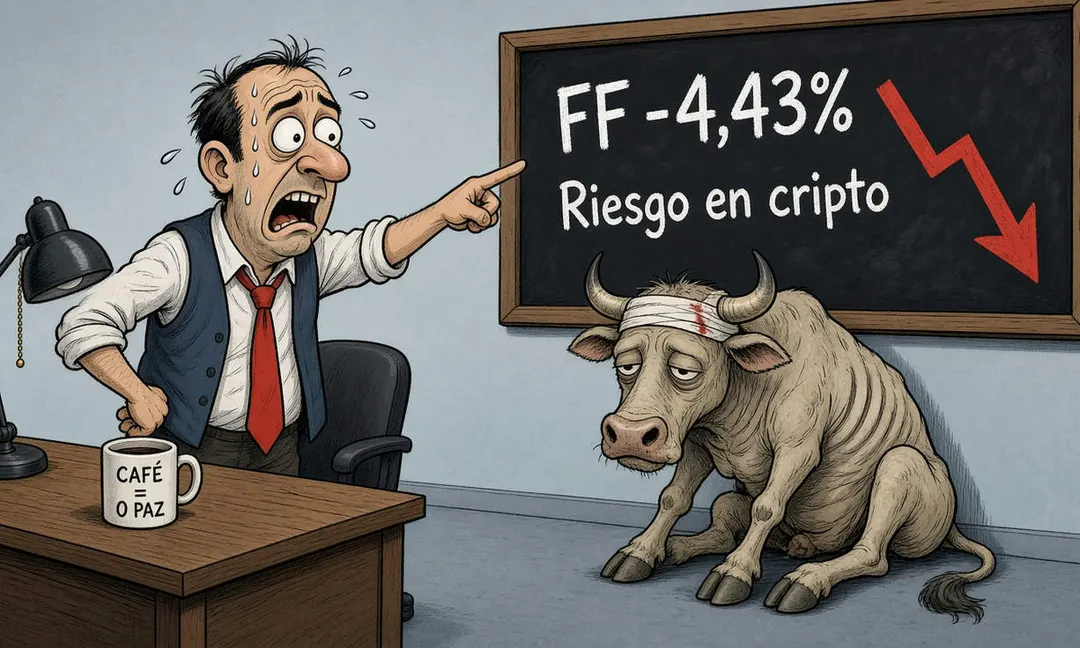
FF falls 4.43% to $0.131 amid sell-off after CLARITY Act failure
Why it matters: The correction on low volume indicates no panic, but holding $0.127 will determine whether FF's monthly gain persists.
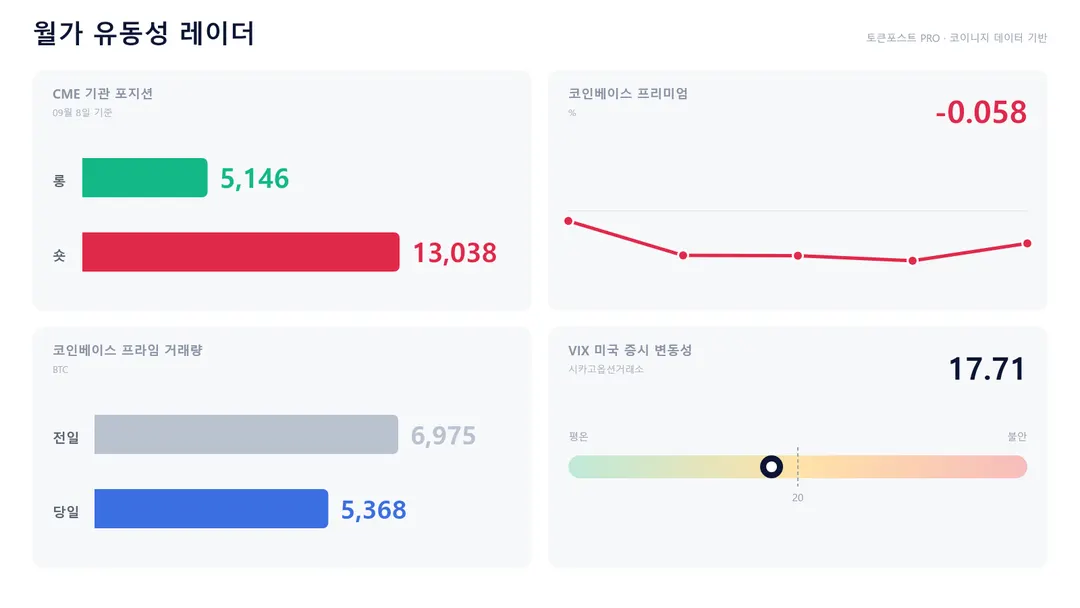
Coinbase Premium negative for fifth day, Prime volume drops 23%
Why it matters: A return of the premium to positive territory and a rebound in Prime volume would signal recovering demand from U.S. institutions.
Spot Ethereum ETFs see third straight day of outflows: $39.2M in a day
Why it matters: Continued outflows from ETH ETFs signal weak institutional demand for Ethereum amid market pressure.